U.N. Expands Security Mission in Haiti Amid Rising Gang Violence
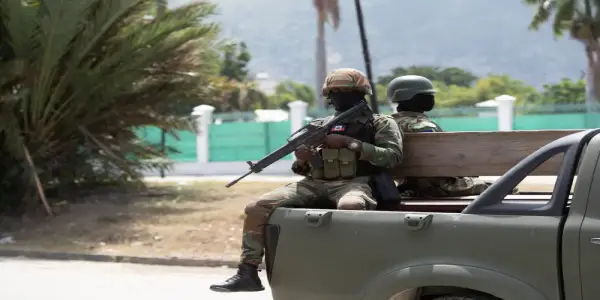
The U.N. has authorized an expanded security mission in Haiti to combat rising gang violence, marking a rare consensus among nations on urgent security needs.
In-depth analysis
Background context
Haiti has been grappling with severe instability and rampant gang violence, especially in Port-au-Prince, where gangs exert considerable control. The United Nations Security Council's recent decision to authorize an expanded international security mission reflects growing international concern and the need for a more decisive intervention to restore order and safety in the nation.
Key political implications
The resolution marks a rare consensus among global powers, particularly between the United States and Latin American nations, signaling a unified approach to addressing Haiti's crisis and potentially reshaping international engagement in the region.
Who gains / who loses
The expanded mission is likely to benefit the interim Haitian government, which seeks international support to combat gang violence. Conversely, local gangs may face increased pressure, while international relations could become strained if the mission fails to achieve its objectives.
Possible future scenarios
If successful, the mission could stabilize Haiti and pave the way for economic recovery and political reforms. However, failure to effectively manage gang violence may lead to further chaos and disillusionment among the Haitian populace.
Did you know?
Why you should know this
Haiti's escalating gang violence impacts global stability, making this UN Security Council decision crucial. With gangs controlling large areas of Port-au-Prince, the expanded international mission aims to restore order, which could influence regional migration patterns and economic conditions. For everyday citizens, the outcomes of this intervention may affect international trade policies and humanitarian efforts that directly impact the local population.
Behind the political curtain
Interestingly, the recent resolution passed with broad support despite the abstentions from China and Russia. This unusual collaboration between the U.S. and Latin American nations highlights a significant shift in geopolitical dynamics, where previous interventions were often stymied by vetoes.
Ordinary person in an extraordinary situation
Meet Marie, a single mother living in Port-au-Prince, who struggles to provide for her two children amid rampant gang violence. As she navigates daily life, the sound of gunfire has become a haunting backdrop to her children's laughter. With the expanded international mission, she harbors a flicker of hope that order might soon return. Marie dreams of a safer neighborhood where her children can play freely, attend school without fear, and where she can find stable work. The stakes are high; for her, this isn't just about security—it's about survival and the future of her family. The community's resilience is palpable, but they need tangible support and commitment from the international community to transform hope into reality.
Expert Commentary
Bangladesh Seeks India's Assistance in...
Kenya Urges Protection for Citizens Amid...

Mamdani Emerges Victorious in NYC Mayoral Race...
Democrats Celebrate Recent Wins Amidst Internal...

Challenges Faced by Costumes in 'Mighty Morphin...

The Fate of the Maquis in Star Trek: A Missed...

Algeria Grants Pardon to Jailed Novelist Boualem...

European Automakers Face New Chip Shortage as...
Sias University Adapts to Modern Educational...

Reddit Enhances App Performance with R8...
Saudi Crown Prince Mohammed bin Salman Set for...
Limited Expectations as Trump and Xi Approach...

Baden Bower Reduces Pitch-to-Publish Timeline by...

Saudi Crown Prince's Invitation to the White...
Egypt Affirms Commercial Nature of Gas Agreement...
Switzerland Faces Economic Challenges Amid U.S....
Hungarian Prime Minister Viktor Orban Engages...
Denmark's Prime Minister Advocates for Stricter...
The Role of Palestinian Statehood in Advancing...
South Korea Initiates First Military Talks with...

US-South Korea Agreement to Develop...
US Tariffs Impact Nuevo Leon's Steel Sector,...
European Allies Stand Firm with Denmark Amid U.S....

Italy's PM Meloni Responds Firmly to Trump's...
Bangladesh's International Crimes Tribunal...

Jetpack Navigation 3 Achieves Stability for...

The 1969 Sino-Soviet Border Conflict: A Near Miss...
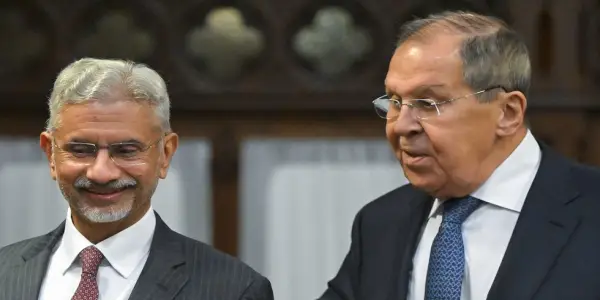
Russian and Indian Foreign Ministers Convene...

Isaac Asimov's Perspective on Star Trek: A Sci-Fi...

NASA Unveils Stunning Images of Interstellar...
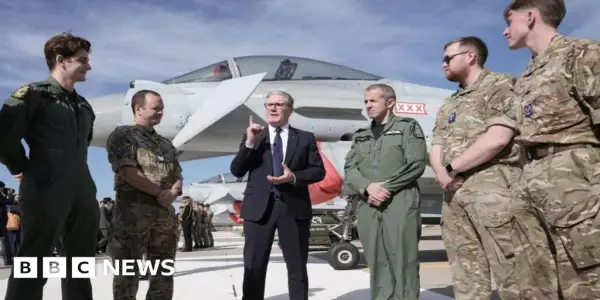
UK Finalizes £8 Billion Typhoon Fighter Jet...

Mark Carney Discusses Political Transition During...

NFL Players Union Faces Grievance Over Annual...

New Yorkers Kick Off Early Voting for Mayoral...
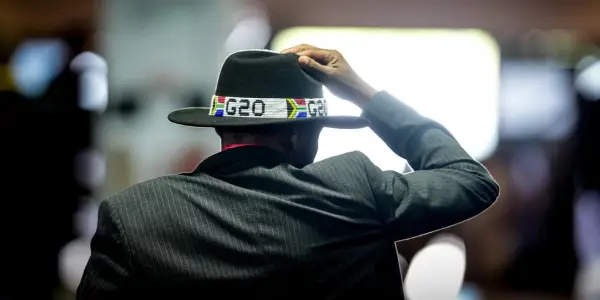
South Africa's G20 Presidency: A Mixed Legacy of...
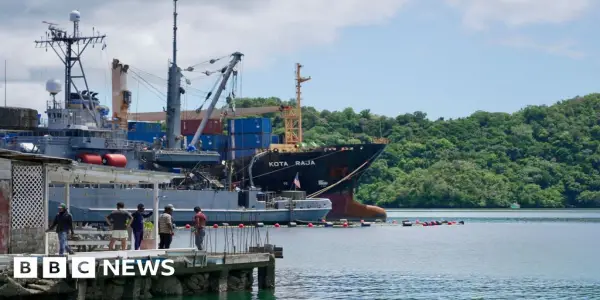
Geopolitical Tensions Surround Palau Amid...
Zohran Mamdani Secures Victory in New York City...

Exploring Intimacy and Isolation in Claire-Louise...

Indian Trade Unions Rally Against New Labour...

Comet 3I/ATLAS Continues to Mystify Scientists...