A Deep Dive into Astronomers' Favorite Exoplanets: A 30-Year Journey
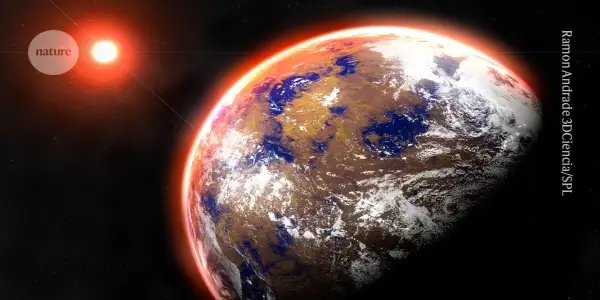
Explore the 30-year journey of exoplanet discovery, from the first find to over 6,000 confirmed worlds, revealing our universe's diverse and intriguing planets.
In-depth analysis
New discoveries
Recent advancements in exoplanet research have unveiled a diverse array of planetary systems, including those with multiple planets exhibiting harmonious orbits and rogue planets drifting through space. Noteworthy findings include potentially habitable planets around Proxima Centauri and the intriguing TRAPPIST-1 system, which hosts multiple planets in its habitable zone.
Mission updates
The James Webb Space Telescope continues its investigation of the TRAPPIST-1 system, focusing on the atmospheric conditions of its planets. Initial observations have shown challenges due to intense radiation, but future studies may yield valuable insights.
Who is affected
The discoveries of exoplanets impact astronomers, researchers, and the broader scientific community, driving interest in planetary science and astrobiology. Additionally, these findings resonate with the public, sparking curiosity about the possibility of life beyond Earth.
Next steps
Future missions, such as Breakthrough Starshot, aim to explore the Proxima Centauri system by the end of the century. Continued observations from telescopes like JWST will further enhance our understanding of exoplanet atmospheres and potential habitability.
Did you know?
Why we should care
The discovery of exoplanets reshapes our understanding of the universe and our place within it. As scientists uncover diverse worlds with unique conditions, it sparks curiosity about potential life beyond Earth. This scientific journey inspires future generations, influencing education, technology, and even how we envision interstellar travel. The quest for knowledge about these distant planets can lead to innovations that impact life here on Earth.
The universe's unsolved mystery
Despite cataloging thousands of exoplanets, questions linger about the formation and stability of planetary systems. For example, how do planets form and coexist in such varied environments? Understanding these dynamics could unlock secrets about our own Solar System and the conditions necessary for life, propelling new theories in astrophysics and planetary science.
The person who looks at the stars
Meet Leo, a high school astronomy teacher in a small town. Every night, he takes his students outside to gaze at the stars, sharing stories of distant worlds like Proxima Centauri and TRAPPIST-1. For Leo, these exoplanets represent hope and possibility. He remembers the awe he felt as a child, staring up at the night sky, dreaming of other worlds. This passion drives him to inspire his students, encouraging them to pursue careers in science and exploration. Leo believes the discoveries of exoplanets can ignite a lifelong fascination with the cosmos, making the universe feel a little smaller and the dreams of interstellar travel a reality that one day could be within reach.
Expert Commentary
Highlights of 2025 in Space Exploration: From...
Andromeda Galaxy's Impact on Its Satellite...
India Successfully Launches CMS-03 Military...

Satellite Imagery Highlights Hurricane Damage...
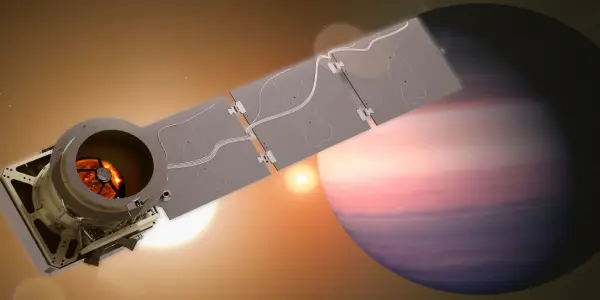
SpaceX Set to Launch NASA's Pandora Exoplanet...

This Week In Space Podcast: Episode 187 Explores...
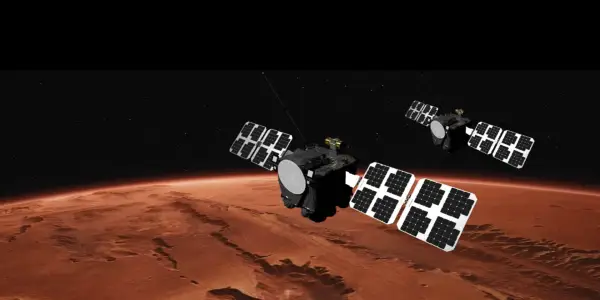
NASA's ESCAPADE Probes Set for Unique Journey to...
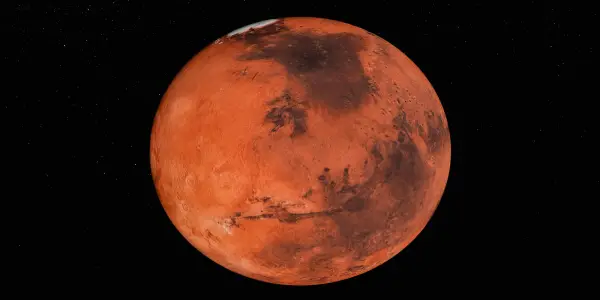
NASA's Ambitious Timeline for Human Exploration...

Jeff Bezos's AI Hardware Venture Takes Aim at...

Samsung Galaxy S26 Expected to Feature Enhanced...
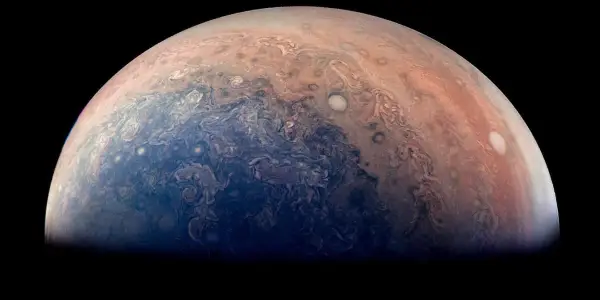
Discovery of a Planet Formation Zone Beyond...

Foundation Season 3 Hints at Deeper Asimov Themes...
Euclid Space Telescope Discovers Hidden Stars in...
Exploring the Composition of Cosmic Voids
New Mexico Startup Unveils Ambitious Plan to...
Assessing the Financial Impact of NASA's Apollo...
James Webb Space Telescope May Have Detected the...
Exploring Oregon's Premier Public Telescope...
Astronomers Uncover Evidence of Aging Stars...

Daily Roundup: November 10, 2025 – Advancements...
Astrophysicists Unveil Dark Universe Through...
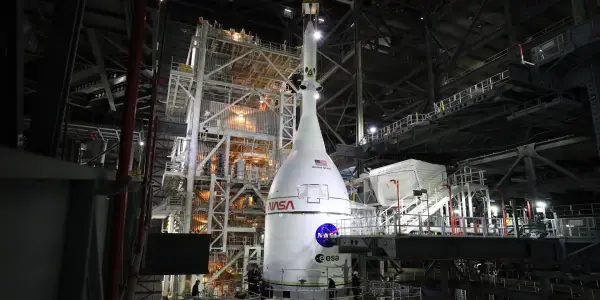
NASA Advances Artemis 2 Mission with Orion...
Congress Questions NASA's Facility Closures Amid...

Samsung Unveils Unprecedented Black Friday Deal...
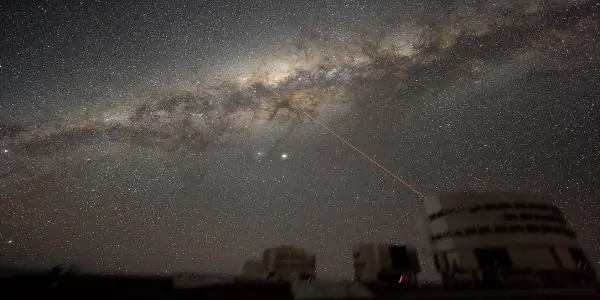
Breakthrough in Milky Way Simulation Using AI...
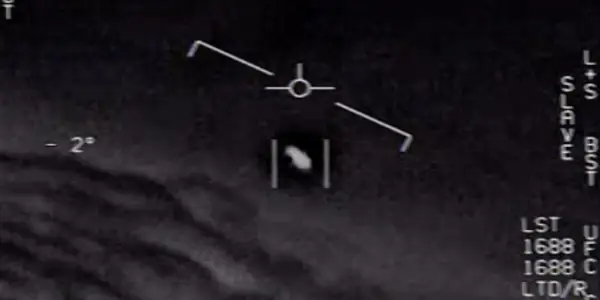
Potential Alien Disclosure May Trigger Bitcoin...
Collaboration Between Exoplanet Researchers and...
Hawaiian Students Honor Gemini North Telescope's...
Portal Systems Aims to Revolutionize Spacecraft...
Italian Producer Plans Historic Film to Shoot in...
X5.1 Solar Flare Triggers G4 Geomagnetic Storm...
Russian Cosmonauts Conduct Extended Spacewalk to...

Top Black Friday Smartwatch Deals Worth...

X-Men Return to Education in Upcoming Comic...
The Impact of Space Technology on Everyday Life
Mapping the Invisible: Astronomers Uncover Dark...
Hubble Telescope Unveils Enigmatic Galaxy NGC 2775
Astronomers Capture Unprecedented Black Hole...
SpaceX Faces Challenges in Meeting NASA's 2027...