Russia Strengthens Ties with New Syrian Leadership Amid Ongoing Challenges
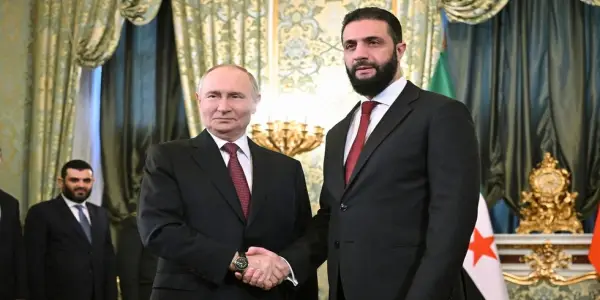
Russia deepens ties with Syria's new leadership, focusing on economic cooperation and military strategy as the nation seeks to recover from war's destruction.
In-depth analysis
Background context
Russia's renewed commitment to Syria comes as the nation faces immense challenges in rebuilding after years of conflict. Following a leadership change in Damascus, President Putin's engagement underscores the enduring ties between the two countries, particularly as Syria seeks to stabilize its infrastructure and address humanitarian crises.
Key political implications
This partnership reinforces Russia's influence in the Middle East, countering Western skepticism and positioning Moscow as a pivotal ally in Syria's recovery and security strategies.
Who gains / who loses
Russia stands to gain strategic footholds and economic opportunities in Syria, while the Syrian government secures vital support for reconstruction. Conversely, Western nations may perceive a loss in influence and face challenges in countering Russian dominance in the region.
Possible future scenarios
The partnership may lead to increased Russian investments in Syrian infrastructure and security. Alternatively, escalating tensions with Israel or Western interventions could complicate this relationship, impacting the stability of the region.
Did you know?
Why you should know this
Understanding Russia's renewed partnership with Syria is crucial as it shapes the geopolitical landscape and affects global stability. With half of Syria's population facing food shortages, the implications of economic cooperation and humanitarian aid are immediate and profound. This alignment could influence international relations, impact refugee flows, and define how nations respond to crises in the region.
Behind the political curtain
Interestingly, Russia's military presence in Syria dates back to the Cold War, when Moscow established its first naval facility in Tartus. This long-standing relationship has allowed Russia to maintain a foothold in the Middle East, influencing regional politics significantly, even amid Western skepticism about its effectiveness.
Ordinary person in an extraordinary situation
Consider Layla, a mother of three living in Aleppo, struggling amidst the ruins left by years of conflict. With her husband missing since the war escalated, she faces daily challenges to feed her children. The recent discussions between Russia and Syria bring a glimmer of hope; perhaps increased aid could stabilize her community. Layla dreams of a day when her children can play outside without fear, and the rebuilding of infrastructure means more than just bricks and mortar—it signifies the possibility of a future where they can thrive rather than just survive.
Expert Commentary

Spain's Attorney General Convicted in...

The Fate of the Maquis in Star Trek: A Missed...
New Yorkers Kick Off Early Voting for Mayoral...
Jim Avila, Esteemed ABC News Correspondent, Dies...
Italy's Meloni Engages with Qatar Emir on Energy...
Armenian Deputy Foreign Minister Visits Israel...
Iraq's Parliamentary Elections: Key Insights...
Denmark's Prime Minister Advocates for Stricter...
Javier Milei's Victory Signals a Shift in...
US-South Korea Agreement to Develop...
Indian Trade Unions Rally Against New Labour...
Cuban Authorities Engage in Deadly Clash with...
The 1969 Sino-Soviet Border Conflict: A Near Miss...
Canada and China Take Steps Toward Repairing...

Jetpack Navigation 3 Achieves Stability for...
Tarique Rahman's Homecoming: A Potential Turning...
AfD Leader Raises Concerns Over Potential Threats...
China's Shift to a Cautious Research Strategy...
Bangladesh's International Crimes Tribunal...
Cuba Rejects U.S. Security Threat Claims Amid...

NFL Players Union Faces Grievance Over Annual...
Kenya Urges Protection for Citizens Amid...
Germany Resumes Arms Exports to Israel Amid...
Geopolitical Tensions Surround Palau Amid...
U.S. Extends Sanctions Relief as Syrian Leader...
Misjudgments in Military Strategy: The Lessons...

WWE Raw Recap: Titles Change Hands in Thrilling...
Key Insights from Trump's National Security...
Khamenei Assassination: A Pivotal Shift in...
Saudi Crown Prince Mohammed bin Salman Set for...
U.S. Authorities Detain British Journalist Linked...
Saudi Crown Prince's Invitation to the White...
Zohran Mamdani Secures Victory in New York City...
South Africa's G20 Presidency: A Mixed Legacy of...
South Korea Initiates First Military Talks with...

NASA Unveils Stunning Images of Interstellar...
Japan and Finland in Diplomatic Tension Following...
Democrats Celebrate Recent Wins Amidst Internal...
U.S. Lawmakers Express Concerns Over Trump...