Research Reveals Mars' Windy Conditions Could Impact Future Exploration
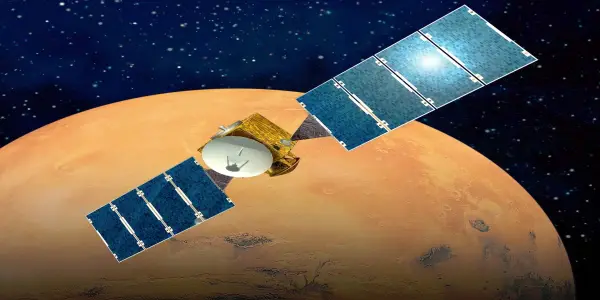
New research shows Mars is windier than thought, impacting future exploration. Discover how dust devils could challenge missions and rover longevity on the p...
In-depth analysis
New discoveries
Recent research has unveiled that Mars experiences wind speeds of up to 70 kilometers per hour, significantly higher than previously believed. Utilizing advanced imaging techniques, scientists tracked a greater number of dust devils, revealing their prevalence during spring and summer months, which profoundly impacts the Martian landscape and future exploration missions.
Mission updates
The findings from the European Space Agency's recent study will inform upcoming rover and lander missions, enhancing their operational planning by providing critical data on Martian wind patterns.
Who is affected
NASA's rovers, particularly the Opportunity rover, are directly influenced by dust accumulation, which affects their energy production and longevity. This research also impacts future mission planning for various space agencies exploring Mars.
Next steps
Researchers aim to further refine their understanding of Martian wind dynamics, integrating these insights into mission designs. This knowledge will assist in optimizing solar panel maintenance for rovers and improve overall mission success.
Did you know?
Why we should care
Understanding Mars' wind patterns directly affects the viability of future exploration missions. For instance, if mission planners know when and where dust devils are most active, they can design rovers that are better equipped to handle dust accumulation on solar panels. This could extend the lifespan of these machines, crucial for gathering valuable data about the planet’s geology and potential for past life.
The universe's unsolved mystery
Mars’ wind patterns remain a puzzle that intrigues scientists and space enthusiasts alike. The ability of dust devils to influence both local weather and overall Martian conditions raises questions about how atmospheric phenomena shape planetary environments. As we explore deeper, these mysteries could redefine our understanding of not just Mars, but the dynamics of other celestial bodies in our solar system.
The person who looks at the stars
Meet Sarah, a high school science teacher from New Mexico, who spends her evenings stargazing with her students. Inspired by the recent research on Mars, she emphasizes the importance of understanding planetary atmospheres in her lessons. For Sarah, the study of dust devils on Mars isn't just a research topic; it's a gateway to inspire future scientists. She wants her students to grasp that even the smallest elements, like wind patterns, can have profound implications for exploring our universe. As they peer through telescopes, she encourages them to think about the vastness of space and the mysteries yet to be solved, igniting a spark of curiosity that could lead to groundbreaking discoveries in years to come.
Expert Commentary
Charlotte: The Lunar 3D Printer Poised to...

Daily Roundup: November 10, 2025 – Advancements...
Unusual Wind from Neutron Star Challenges Space...
Astrophysicists Unveil Dark Universe Through...
Blue Origin Faces Major Setback as New Glenn...

Lenovo's Legion Tab Gen 3 Sees Significant Black...

Foundation Season 3 Hints at Deeper Asimov Themes...
India Successfully Launches CMS-03 Military...
James Webb Telescope Identifies Rapidly Growing...
Assessing the Financial Impact of NASA's Apollo...
Intense Solar Storm May Illuminate Skies Across...
Enhance Your Weather Preparedness with Weather...
Astrophotographer Captures Stunning Image of...

Samsung Unveils Unprecedented Black Friday Deal...
Meteorite Fragment May Have Impacted Houston Home
Exploring the Composition of Cosmic Voids
Ancient Galaxies: A Chaotic Early Universe...
Astronomers Converge in Phoenix for AAS 247: A...

Samsung's Galaxy S26 Ultra Set for Significant...
The Dwarf III Smart Telescope: A Compact Marvel...
Andromeda Galaxy's Impact on Its Satellite...
Astronomers Capture Unprecedented Black Hole...
Exploring Oregon's Premier Public Telescope...
The Pleiades Star Cluster Reveals Its Extensive...
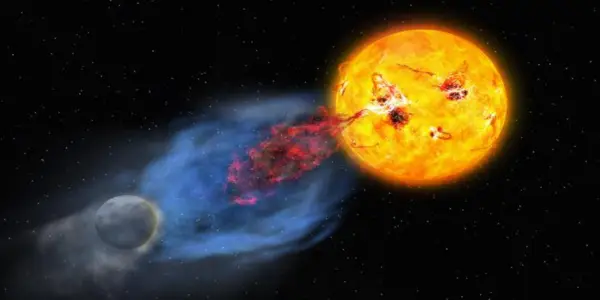
Intense Solar Storms Could Ignite Life on...
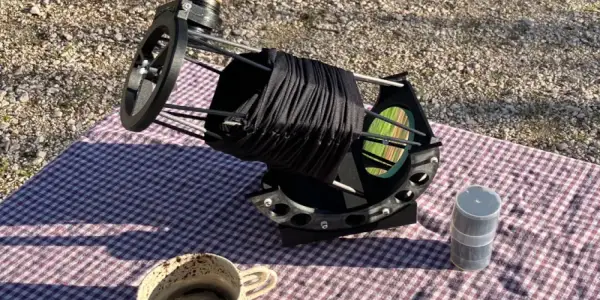
Innovative Portable Reflecting Telescope...
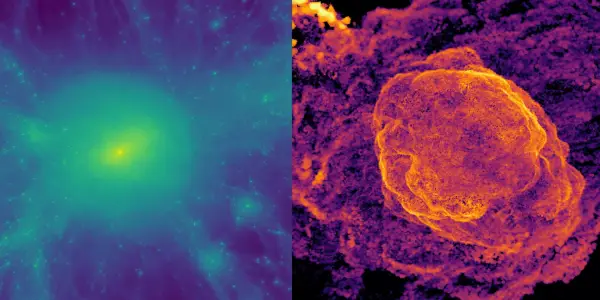
New Simulations Shed Light on the Enigmatic...
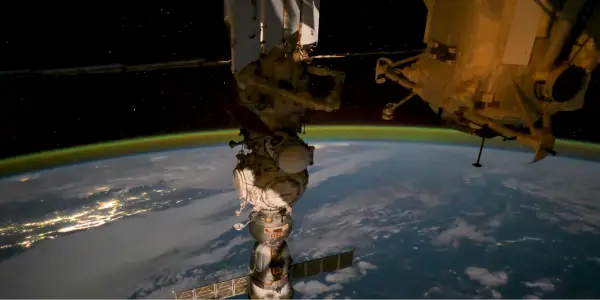
ISS Crew Takes Precautions Against Radiation...
Webb Telescope Reveals Unprecedented Cosmic...
Recent Studies Explore Potential Exoplanet in...
Potential Alien Disclosure May Trigger Bitcoin...
NASA's Ambitious Timeline for Human Exploration...
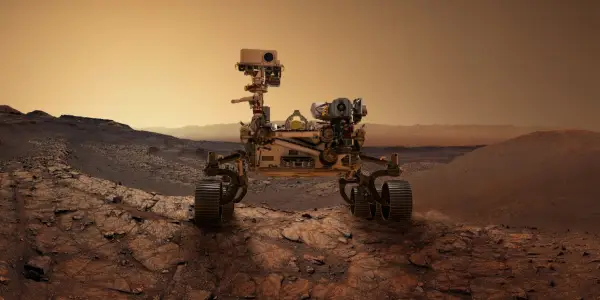
Unraveling the Mysteries of Mars: Recent...
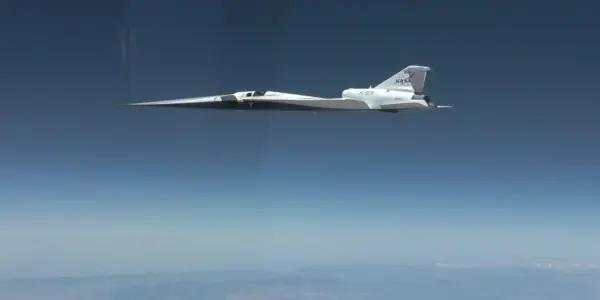
NASA's X-59 Achieves Historic Supersonic Flight
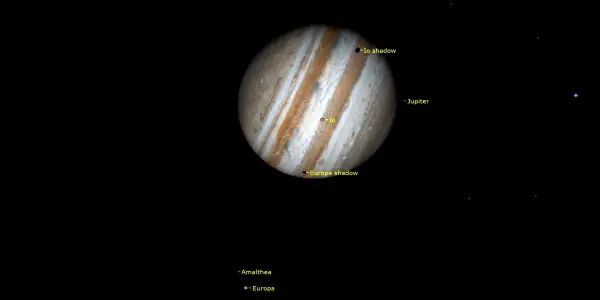
Jupiter's Moons Io and Europa to Cast Shadows...
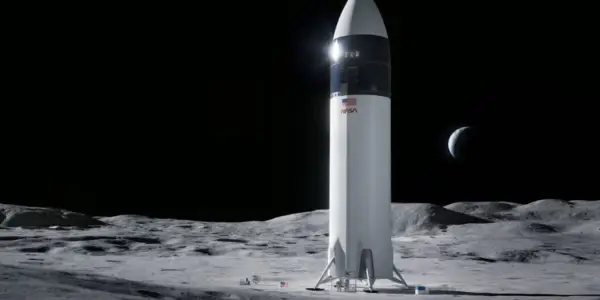
SpaceX Faces Challenges in Meeting NASA's 2027...
Russian Cosmonauts Conduct Extended Spacewalk to...
Euclid Space Telescope Discovers Hidden Stars in...

Childcare Crisis: Families Struggle as...

This Week In Space Podcast: Episode 187 Explores...