IOC Imposes Sanctions on Indonesia Following Exclusion of Israeli Athletes
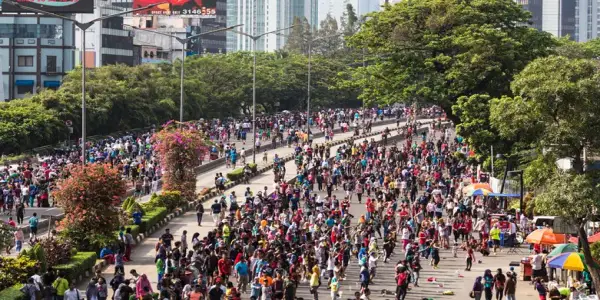
The International Olympic Committee halts future event discussions with Indonesia after the nation barred Israeli athletes from competing in a gymnastics championship in Jakarta.
In-depth analysis
Background context
The International Olympic Committee (IOC) has recommended suspending international sporting events in Indonesia due to the country's recent ban on Israeli athletes from the World Artistic Gymnastics Championships. This decision marks a notable shift in the IOC's relationship with Indonesia, which has historically not recognized Israel and continues to support Palestinian statehood.
Key political implications
The IOC's suspension signals a broader commitment to non-discrimination in sports, potentially reshaping diplomatic relations between Indonesia and international sporting bodies.
Who gains / who loses
Israeli athletes, denied participation, face significant setbacks in their careers, while Indonesia risks losing prestige and future hosting opportunities. The IOC gains credibility by enforcing its principles, appealing to a global audience that values inclusivity.
Possible future scenarios
If Indonesia fails to comply with IOC demands, it could face further isolation in international sports. Conversely, successful negotiations may pave the way for improved diplomatic ties and future hosting opportunities.
Did you know?
Why you should know this
The IOC's recommendation to suspend events in Indonesia underscores how geopolitics can directly impact athletes. For everyday sports enthusiasts, this means that international competitions might face disruptions that affect not just athletes but also fans, local economies, and the cultural exchange that sports foster. This situation exemplifies the delicate balance between sport and political ideologies, highlighting how decisions made far from the competition can have real consequences.
Behind the political curtain
Indonesia has historically refrained from establishing diplomatic relations with Israel since its independence in 1945. This long-standing policy is rooted in Indonesia's support for Palestine, making the recent visa ban part of a broader, complex political stance that transcends sports.
Ordinary person in an extraordinary situation
Consider Rina, a high school gymnast in Jakarta who dreams of competing on the world stage. She looks up to athletes like Artem Dolgopyat, admiring their dedication and talent. Rina's aspirations are now clouded by the fallout from her government's actions, showing her that politics can shatter dreams. As she trains daily, Rina grapples with the reality that her future in gymnastics could be influenced by decisions made in distant negotiations. This situation not only affects elite athletes but also impacts young hopefuls like her, reminding us that the world of sports is intertwined with the complexities of international relations.
Expert Commentary
Bangladesh Seeks India's Assistance in...
Kenya Urges Protection for Citizens Amid...

Mamdani Emerges Victorious in NYC Mayoral Race...

Democrats Celebrate Recent Wins Amidst Internal...
Limited Expectations as Trump and Xi Approach...

The Fate of the Maquis in Star Trek: A Missed...

Algeria Grants Pardon to Jailed Novelist Boualem...

European Automakers Face New Chip Shortage as...
Sias University Adapts to Modern Educational...

Reddit Enhances App Performance with R8...

Saudi Crown Prince Mohammed bin Salman Set for...
Tarique Rahman's Homecoming: A Potential Turning...

Baden Bower Reduces Pitch-to-Publish Timeline by...
Saudi Crown Prince's Invitation to the White...
Egypt Affirms Commercial Nature of Gas Agreement...
Switzerland Faces Economic Challenges Amid U.S....

Hungarian Prime Minister Viktor Orban Engages...

Denmark's Prime Minister Advocates for Stricter...
The Role of Palestinian Statehood in Advancing...
South Korea Initiates First Military Talks with...

US-South Korea Agreement to Develop...

US Tariffs Impact Nuevo Leon's Steel Sector,...

European Allies Stand Firm with Denmark Amid U.S....

Italy's PM Meloni Responds Firmly to Trump's...
Bangladesh's International Crimes Tribunal...

Jetpack Navigation 3 Achieves Stability for...

The 1969 Sino-Soviet Border Conflict: A Near Miss...
Russian and Indian Foreign Ministers Convene...

Isaac Asimov's Perspective on Star Trek: A Sci-Fi...

NASA Unveils Stunning Images of Interstellar...

UK Finalizes £8 Billion Typhoon Fighter Jet...

Mark Carney Discusses Political Transition During...

NFL Players Union Faces Grievance Over Annual...

New Yorkers Kick Off Early Voting for Mayoral...
South Africa's G20 Presidency: A Mixed Legacy of...
Geopolitical Tensions Surround Palau Amid...

Zohran Mamdani Secures Victory in New York City...

Exploring Intimacy and Isolation in Claire-Louise...

Indian Trade Unions Rally Against New Labour...

Comet 3I/ATLAS Continues to Mystify Scientists...