Egypt Engages Hamas for Approval of U.S. Plan to Resolve Gaza Conflict
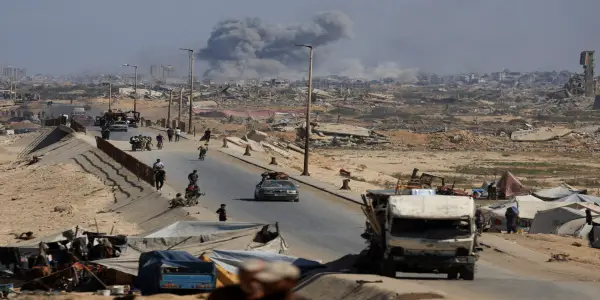
Egypt seeks Hamas's endorsement for a U.S. plan aimed at resolving the Gaza conflict, focusing on a ceasefire, prisoner exchanges, and a phased Israeli withd...
In-depth analysis
Background context
Egypt is actively pursuing Hamas's endorsement of a U.S. proposal aimed at halting the nearly two-year conflict in Gaza. The plan includes a ceasefire, a prisoner exchange, and a phased Israeli withdrawal, while Hamas is evaluating the proposal to ensure it reflects Palestinian interests amid escalating humanitarian crises.
Key political implications
The endorsement of the U.S. proposal by Hamas could reshape regional dynamics, potentially stabilizing Gaza while testing the limits of U.S. influence in Middle Eastern affairs.
Who gains / who loses
If Hamas accepts the U.S. plan, it may gain international legitimacy and support, while Israel could secure a temporary reprieve from conflict. Conversely, rejection by Hamas could intensify violence and further isolate the group, exacerbating the humanitarian crisis.
Possible future scenarios
Should Hamas agree to the proposal, a ceasefire might lead to renewed negotiations, but persistent skepticism could undermine progress. Alternatively, outright rejection could escalate hostilities, prolonging the suffering in Gaza.
Did you know?
Why you should know this
The unfolding diplomatic efforts in Gaza could shape the future for millions of Palestinians and Israelis. As Egypt seeks Hamas's endorsement for a U.S. proposal, the implications extend beyond politics. A successful resolution could lead to reduced violence and improved living conditions in Gaza, affecting daily lives through potential access to humanitarian aid, rebuilding efforts, and a safer environment for families.
Behind the political curtain
Surprisingly, the U.S. historically supports proposals that align closely with Israeli interests, often sidelining Palestinian perspectives. This pattern has led to widespread skepticism about the fairness of any peace initiatives, as many Palestinians view these efforts as perpetuating imbalances rather than resolving core issues.
Ordinary person in an extraordinary situation
Fatima, a mother of three living in Gaza, faces daily uncertainty as the conflict drags on. With limited access to food and medical supplies, her family's survival hinges on the political maneuvering of leaders she has never met. Fatima dreams of a day when her children can play outside without fear. As the U.S. proposes a new plan, she holds onto hope that this time the voices of ordinary people like her will be heard, and that peace will finally pave the way for a brighter future.
Expert Commentary

Bangladesh Seeks India's Assistance in...
Kenya Urges Protection for Citizens Amid...

Mamdani Emerges Victorious in NYC Mayoral Race...

Democrats Celebrate Recent Wins Amidst Internal...

Challenges Faced by Costumes in 'Mighty Morphin...

The Fate of the Maquis in Star Trek: A Missed...

Algeria Grants Pardon to Jailed Novelist Boualem...

European Automakers Face New Chip Shortage as...

Sias University Adapts to Modern Educational...

Reddit Enhances App Performance with R8...

Saudi Crown Prince Mohammed bin Salman Set for...

Limited Expectations as Trump and Xi Approach...

Baden Bower Reduces Pitch-to-Publish Timeline by...

Saudi Crown Prince's Invitation to the White...
Egypt Affirms Commercial Nature of Gas Agreement...
Switzerland Faces Economic Challenges Amid U.S....

Hungarian Prime Minister Viktor Orban Engages...

Denmark's Prime Minister Advocates for Stricter...
The Role of Palestinian Statehood in Advancing...

South Korea Initiates First Military Talks with...

US-South Korea Agreement to Develop...

US Tariffs Impact Nuevo Leon's Steel Sector,...

European Allies Stand Firm with Denmark Amid U.S....

Italy's PM Meloni Responds Firmly to Trump's...

Bangladesh's International Crimes Tribunal...

Jetpack Navigation 3 Achieves Stability for...

The 1969 Sino-Soviet Border Conflict: A Near Miss...
Russian and Indian Foreign Ministers Convene...

Isaac Asimov's Perspective on Star Trek: A Sci-Fi...

NASA Unveils Stunning Images of Interstellar...

UK Finalizes £8 Billion Typhoon Fighter Jet...

Mark Carney Discusses Political Transition During...

NFL Players Union Faces Grievance Over Annual...

New Yorkers Kick Off Early Voting for Mayoral...

South Africa's G20 Presidency: A Mixed Legacy of...

Geopolitical Tensions Surround Palau Amid...

Zohran Mamdani Secures Victory in New York City...

Exploring Intimacy and Isolation in Claire-Louise...

Indian Trade Unions Rally Against New Labour...

Comet 3I/ATLAS Continues to Mystify Scientists...