Global Community's Stance on Israel: A Complex Path to Rehabilitation
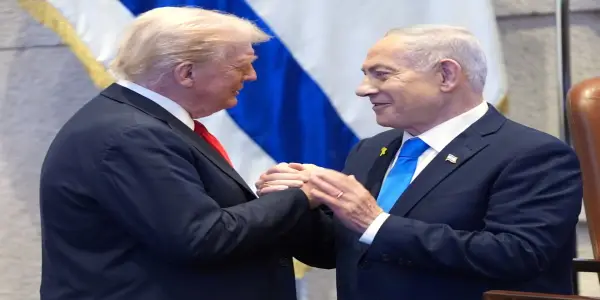
As Israel and Hamas reach a ceasefire, global reactions highlight a complex path for Israel's rehabilitation amid accusations of serious human rights violati...
In-depth analysis
Background context
Israel's ceasefire agreement with Hamas comes amid a backdrop of intense scrutiny over its military actions in Gaza, which have led to substantial civilian casualties. The conflict has drawn condemnation from human rights organizations and the United Nations, prompting widespread protests in Europe and calls for accountability, complicating Israel's international standing.
Key political implications
The ceasefire has polarized Israeli politics, with hardliners opposing any perceived concessions while others advocate for a more aggressive approach towards Hamas, reflecting deep divisions within the government.
Who gains / who loses
While the ceasefire may provide temporary relief for civilians in Gaza, hardline Israeli factions risk losing influence as public opinion shifts. Conversely, international leaders advocating for normalization may gain political capital, despite the ongoing humanitarian crisis.
Possible future scenarios
Future relations between Israel and the international community may hinge on public sentiment, particularly among younger generations. If accountability remains unaddressed, efforts for rehabilitation could face significant backlash.
Did you know?
Why you should know this
The recent ceasefire between Israel and Hamas is more than a temporary halt in violence; it represents a pivotal moment for international relations and humanitarian efforts. As Israel seeks to repair its global image, the implications of this agreement affect everything from diplomatic negotiations to aid distribution in Gaza. Understanding this context is essential for grasping how global politics can shape everyday lives, especially for those impacted by the conflict.
Behind the political curtain
While many view the ceasefire as a diplomatic win for Israel, a lesser-known fact is that the Israeli government has historically faced internal dissent regarding its military actions. Reports indicate that more than 30% of Israeli citizens believe the government should be held accountable for actions in Gaza, highlighting a divide in public opinion that contradicts the official narrative.
Ordinary person in an extraordinary situation
Consider the experience of Miriam, a 34-year-old teacher in Tel Aviv who has witnessed the toll of the conflict on her students. Many of her pupils come from families living in Gaza, and she often finds herself caught between the narratives of the media and the raw emotions of her community. Miriam has organized discussions in her classroom about the humanitarian crisis, hoping to foster understanding and empathy among her students. She expresses frustration with the political rhetoric that oversimplifies complex issues, urging her peers to recognize the human cost of the conflict. For her, the ceasefire is a chance to teach compassion, but it also serves as a reminder of the deep divisions that still exist, both locally and globally.
Expert Commentary

AfD Leader Raises Concerns Over Potential Threats...
Exiled Russian Orthodox Leader Responds to Spying...
Saudi Crown Prince's Invitation to the White...
Denmark's Prime Minister Advocates for Stricter...
Trump Appoints Special Envoy to Greenland,...

Sias University Adapts to Modern Educational...

Algeria Grants Pardon to Jailed Novelist Boualem...
Cuba Rejects U.S. Security Threat Claims Amid...

Bhutan's Complex Relationship with India: A...
Is the U.S. Reassessing Its Stance on Israel...
Egypt Affirms Commercial Nature of Gas Agreement...
European Allies Stand Firm with Denmark Amid U.S....

China's Shift to a Cautious Research Strategy...

Indian Trade Unions Rally Against New Labour...
Texas Governor Abbott Designates CAIR as a...
South Korea Initiates First Military Talks with...
Sanae Takaichi: Japan's First Female Prime...
South Africa's G20 Presidency: A Mixed Legacy of...

Reddit Enhances App Performance with R8...
The 1969 Sino-Soviet Border Conflict: A Near Miss...

Nevada's Governor's Office Allegedly Intervened...
Czech President Appoints Billionaire Former Prime...

EA Raises Concerns Over Sale to Saudi Arabia's...

European Automakers Face New Chip Shortage as...
U.S. Extends Sanctions Relief as Syrian Leader...

Spain's Attorney General Convicted in...

Challenges Faced by Costumes in 'Mighty Morphin...

WWE Raw Recap: Titles Change Hands in Thrilling...

Mamdani Emerges Victorious in NYC Mayoral Race...
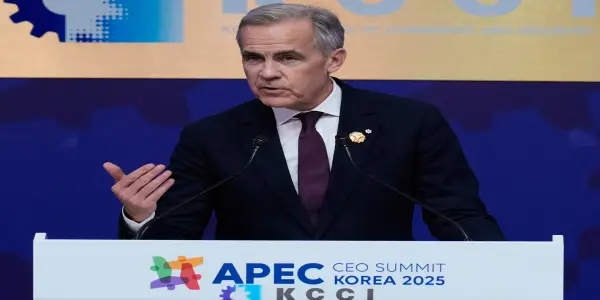
Canada and China Take Steps Toward Repairing...
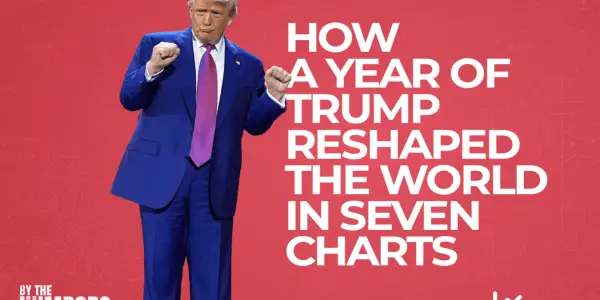
The Impact of Trump's Second Year: A Year of...
Contradictory Signals from Trump and Rubio on...

Revitalizing Relations: The Future of the...

The Evolving Landscape of Copyright Enforcement...
Trump Addresses Nuclear Testing, Government...

Japan and Finland in Diplomatic Tension Following...
South Korea Rebuilds Trust and Reassesses Foreign...
Examining Trump's Claims of Resolving Conflicts:...
U.S. Authorities Detain British Journalist Linked...
Khamenei Assassination: A Pivotal Shift in...