Astronomers Detect Potential Signs of Supermassive Stars in Early Universe
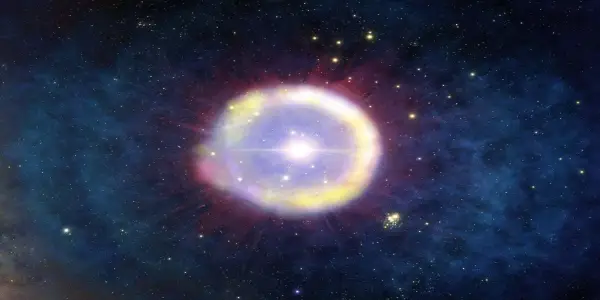
Astronomers using the James Webb Space Telescope have uncovered potential signs of supermassive stars, challenging existing models and offering insights into...
In-depth analysis
New discoveries
The James Webb Space Telescope has unveiled potential evidence of supermassive stars, possibly 1,000 to 10,000 times the mass of the Sun. These findings challenge existing astrophysical models and suggest a link to the origins of supermassive black holes observed in the early universe, marking a significant advancement in cosmic research.
Mission updates
Recent observations by the JWST have led to the identification of high nitrogen levels in the chemical composition of a distant galaxy, GS, providing crucial insights into the possible existence of primordial Population III stars.
Who is affected
The discoveries impact astronomers and astrophysicists studying stellar evolution and black hole formation, as the potential existence of supermassive stars could alter current theories about the early universe and the development of cosmic structures.
Next steps
Researchers aim to gather more chemical signatures to confirm the existence of supermassive stars. This pursuit involves overcoming significant challenges in obtaining definitive evidence to support the current findings and theories.
Did you know?
Why we should care
The discovery of supermassive stars could reshape our understanding of the universe and its origins, directly impacting fields like astrophysics and cosmology. These colossal stars may explain how supermassive black holes formed so early in cosmic history. Understanding these processes not only deepens our knowledge of the universe but also influences technologies derived from astrophysical research, affecting everything from satellite communications to advancements in materials science.
The universe's unsolved mystery
The existence of supermassive stars raises profound questions about the early universe. If they exist, they challenge current astrophysical models, suggesting that our understanding of star formation and black hole evolution is fundamentally incomplete. This mystery beckons scientists to rethink the timeline of cosmic events and the mechanisms that govern star development, potentially rewriting chapters of our cosmic history.
The person who looks at the stars
In a small town in New Mexico, 12-year-old Mia Garcia spends clear nights on her roof with a telescope, fascinated by the cosmos. Inspired by her grandfather, an amateur astronomer, Mia dreams of becoming an astrophysicist. The recent findings about supermassive stars ignite her imagination, as she envisions a universe filled with colossal stars that shaped galaxies. For Mia, these discoveries aren’t just scientific breakthroughs; they are a bridge connecting her to the vastness of space and the legacy of explorers before her. Each new revelation fuels her passion, reminding her that even the most extraordinary ideas once began as mere dreams among the stars.
Blue Origin Faces Major Setback as New Glenn...
The Impact of Space Technology on Everyday Life
NASA's X-59 Achieves Historic Supersonic Flight
NASA Unveils New Images of Interstellar Comet...
Discovery of a Planet Formation Zone Beyond...
Collaboration Between Exoplanet Researchers and...
Astronomers Identify Potential Earth-Like...
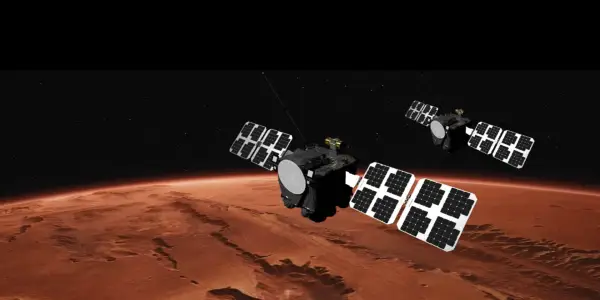
NASA's ESCAPADE Probes Set for Unique Journey to...
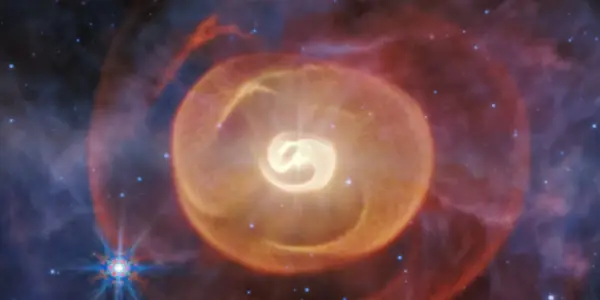
Webb Telescope Reveals Unprecedented Cosmic...
China's Mars Orbiter Captures Image of...
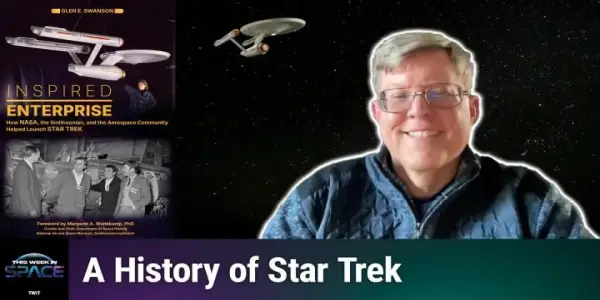
This Week In Space Podcast: Episode 187 Explores...
Astronomers Capture Unprecedented Black Hole...

OnePlus 15 vs. Samsung Galaxy S25 Plus: A Clash...

Jeff Bezos's AI Hardware Venture Takes Aim at...

Daily Roundup: November 10, 2025 – Advancements...
European Space Agency Unveils Stunning Radar...
Study Suggests the Universe's Expansion May Be...
X5.1 Solar Flare Triggers G4 Geomagnetic Storm...
NASA's Campaign to Monitor Interstellar Comet...
Hawaiian Students Honor Gemini North Telescope's...
Potential Evidence of Dark Matter Emerges from...
Unusual Wind from Neutron Star Challenges Space...
Astronomers Uncover Evidence of Aging Stars...
Innovative Portable Reflecting Telescope...
Astronauts aboard the ISS Capture Stunning Images...
Rogue Moons: A New Frontier for Life Beyond Stars
James Webb Telescope Identifies Rapidly Growing...
Intense Solar Storms Could Ignite Life on...
The Dwarf III Smart Telescope: A Compact Marvel...
Mapping the Invisible: Astronomers Uncover Dark...
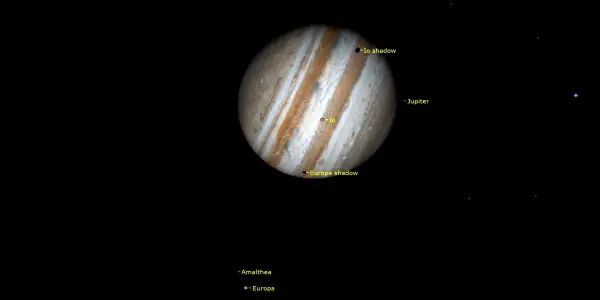
Jupiter's Moons Io and Europa to Cast Shadows...
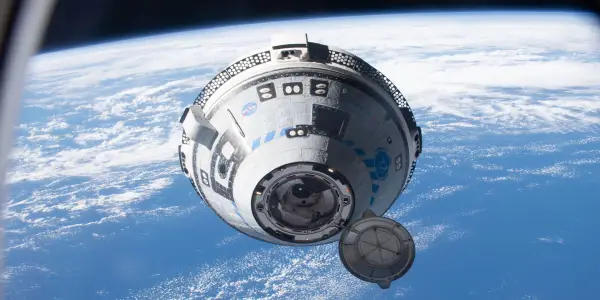
Boeing's Upcoming Starliner Mission Set for April...
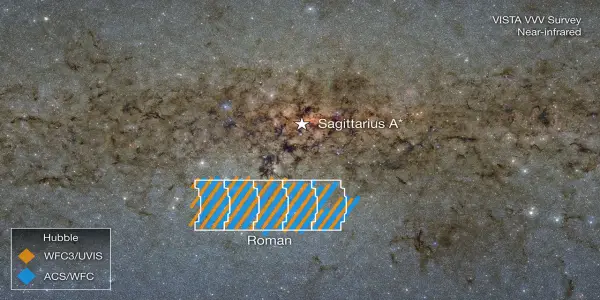
Astronomers Uncover a Rapid Star-Forming Galaxy...
Astronomers Converge in Phoenix for AAS 247: A...
James Webb Space Telescope Sheds Light on Early...
NASA and Blue Origin Successfully Launch Dual...
New Research Suggests Dark Matter Influences...
Andromeda Galaxy's Impact on Its Satellite...