The Late Ordovician Mass Extinction: A Pivotal Moment in Marine Evolution
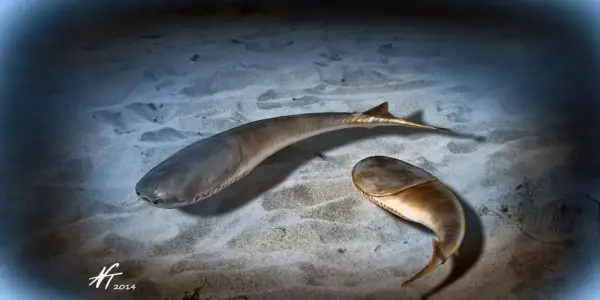
A significant climate crisis during the Late Ordovician Mass Extinction drastically altered ocean ecosystems, leading to a resurgence of jawed vertebrates that would dominate marine life for millions of years.
In-depth analysis
Natural phenomena
The Late Ordovician Mass Extinction was marked by dramatic climatic shifts, including extensive glaciation that transformed marine habitats. Ice formation locked away water, resulting in the desiccation of shallow seas and leading to a catastrophic decline in marine biodiversity, with around 85% of species facing extinction. This event fundamentally altered the course of oceanic life.
Impact on communities
The extinction event caused a significant disruption in marine ecosystems, leading to the loss of numerous species and the reshaping of ecological communities. This upheaval set the stage for the eventual dominance of jawed vertebrates in marine environments.
Scientific updates
Recent research from the Okinawa Institute of Science and Technology has shed light on the survival of jawed vertebrates post-LOME. By analyzing a comprehensive fossil database, scientists discovered that these species diversified significantly in the aftermath, filling ecological niches left vacant by extinct jawless forms.
Future outlook
The insights gained from studying past extinction events like LOME may inform current conservation efforts. Understanding how species adapt and thrive in the wake of ecological crises can provide valuable lessons for preserving marine biodiversity in the face of ongoing environmental changes.
Did you know?
Why this matters for our planet
The Late Ordovician Mass Extinction teaches us about resilience in nature. Understanding how marine ecosystems rebounded after such a catastrophic event helps scientists predict how today's oceans might respond to climate change and human impacts. This knowledge is crucial for conserving biodiversity, protecting fisheries, and ensuring the health of the oceans we rely on for food and oxygen.
Earth's undiscovered wonder
During the Late Ordovician, marine life was dominated by jawless fish, yet only a small number of these species survived the extinction. Surprisingly, jawed vertebrates, which make up nearly all modern fish, emerged from this critical period, showcasing the resilience and adaptability of life in the face of massive environmental upheaval.
The voice of Earth
Marcus, 34, from Chicago, often finds solace by the lakeshore, where he reflects on the vast history of life beneath the waves. Learning about the Late Ordovician Mass Extinction struck a chord with him; it highlighted how life can rebuild after devastation. He imagines the ancient seas teeming with creatures, then suddenly silenced. This connection fuels his passion for ocean conservation, inspiring him to advocate for sustainable practices that protect marine ecosystems today, ensuring that future generations can enjoy the vibrancy of life that once thrived in those primordial waters.

New Research Suggests Water Could Form During...

Google Launches WeatherNext 2: Enhanced AI...
Ancient Crocodile Fossils Unearthed in Australia...
Reassessing Economic Growth: Valuing Natural...
New Glenn Rocket Completes Successful Test...

November's Full Supermoon: A Celestial Event to...

Exploring Sustainable Methods for Rare Earth...
James Webb Space Telescope Reveals First 3D...
First Mosquito Sightings in Iceland Linked to...

Post-Artemis 2: What Insights Will Scientists...
Young Star V1298 Tau Sheds Light on Planet...
Supercomputers Analyze Enceladus's Plume Dynamics
Damage Assessment Underway in Northern Australia...

Exploring the Nature of Intelligence: Insights...

Catherine O’Hara, Iconic Actress from...

Geomagnetic Storm Forces Delay of Blue Origin's...

US Government to Halt SNAP Benefits Amid Ongoing...
Embracing the Light: A Reflection on Our...
Ancient Air Trapped in 6-Million-Year-Old...

Exploring the Depths of Nature: Boyd Varty's...
Understanding Artificial Reefs: A Solution for...

Putin Initiates Strategic Plan for Russia's Rare...

The Earth’s Value: An Exploration of Its...

Ancient Australian Rocks Provide Insights into...

Exocomets Detected Around Distant Stars

Sun Emits Second-Strongest Flare of 2025, Causing...

Interstellar Comet 3I/ATLAS Reaches Perihelion,...

VTN Architects Completes Nuoc Ui School in...
Exploring Sustainable Approaches to Deep-Sea...

The Intersection of AI Development and Natural...

Intense Solar Activity: Sunspot Region Produces...
Understanding the Formation of Tectonic Plates
Time on Mars Outpaces Earth, Unveiling Challenges...
Rammed Earth Homes of 2026 Showcase Sustainable...

Indigenous Activists Challenge COP30's Rainforest...

New Insights from the Butterfly Nebula May...
Perseverance Rover Discovers Unusual Rock Near...

Top Organic Mattresses of 2025: Birch, Avocado,...
Study Reveals Fast Healing of Deep Earthquake...

Exploring Key Questions Raised by ‘Avatar: Fire...