Understanding M-Class Planets: The Habitable Worlds of Star Trek
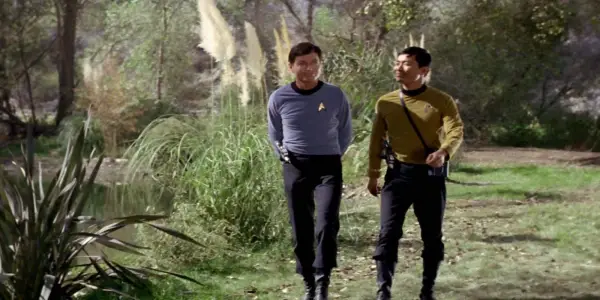
Explore what M-Class means in Star Trek and its significance in portraying habitable worlds akin to Earth in the iconic series.
In-depth analysis
Natural phenomena
M-Class planets, as depicted in Star Trek, are characterized by their Earth-like atmospheres, primarily composed of nitrogen and oxygen. These environments support human life, featuring diverse ecosystems that reflect conditions conducive to respiration without protective gear. This classification serves as a narrative device, allowing exploration of varied landscapes and life forms across the universe.
Impact on communities
The portrayal of M-Class planets fosters a sense of hope and curiosity among audiences about the potential for life beyond Earth. This narrative element encourages communities to engage with the scientific exploration of exoplanets and the possibilities of human habitation.
Scientific updates
The concept of M-Class planets parallels ongoing research in astrobiology, where scientists examine exoplanets for habitable conditions. Current studies focus on atmospheric composition and environmental factors that may support life, reflecting the themes explored in science fiction narratives like Star Trek.
Future outlook
As advancements in space exploration continue, the relevance of M-Class planets in both fiction and science is likely to grow. This intersection may inspire future generations to pursue careers in science and engineering, furthering the quest for extraterrestrial life.
Did you know?
Why this matters for our planet
The fascination with M-Class planets highlights humanity's quest for survival beyond Earth. As climate change and resource depletion threaten our own habitat, understanding what makes a planet habitable could be crucial for our future. The technologies and methods we develop to identify and analyze exoplanets may one day help us find alternatives for sustaining life, ensuring a better future for generations to come.
Earth's undiscovered wonder
Around 80% of the ocean remains unexplored, making it Earth's largest undiscovered territory. This vast expanse harbors countless species and ecosystems, many of which could hold the keys to understanding life's potential on other planets and even contribute to medical breakthroughs here on Earth.
The voice of Earth
Marcus, 34, from Chicago, often gazes at the stars, dreaming of M-Class planets. As a child, he was enchanted by Star Trek, imagining worlds where life thrived against the backdrop of distant stars. After losing his father to climate-related illness, Marcus dedicates his life to environmental advocacy, believing that understanding our planet's ecosystems can help us protect and potentially recreate them elsewhere. He often shares stories of his father’s love for nature, pushing others to realize that every action today can influence life beyond Earth tomorrow.
Expert Commentary

Catherine O’Hara, Iconic Actress from...

The Impact of the Three Gorges Dam on Earth's...
Artemis II Sparks Renewed Interest in Lunar...
Interstellar Comet 3I/ATLAS Reaches Perihelion,...

Top Organic Mattresses of 2025: Birch, Avocado,...
New Ice Age Episodes of Prehistoric Planet Now...
Intaaya Retreat in Indonesia Features Innovative...
James Webb Space Telescope Reveals First 3D...
Significant Solar Activity Forecasted to Cause...
Exploring Sustainable Methods for Rare Earth...
Significant Geomagnetic Storm Unleashes Auroras...
Mars Express Reveals Evidence of Ancient Ice Age...
Newly Discovered Snake Species Named After Steve...
SpaceX to Launch Over 100 Satellites Today on...
Intense Solar Activity: Sunspot Region Produces...
Innovative Architectural Designs Inspired by...
China's Astronauts Return Safely, but Another...
NASA's Mars Sample Return Mission Faces...

US Greenhouse Gas Emissions Increase Amid Cold...
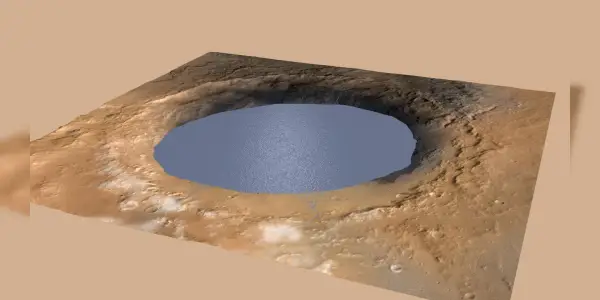
Ancient Lakes on Mars: New Research Unveils Ice...
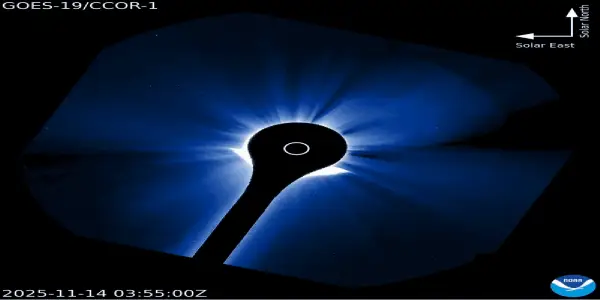
Sun Unleashes Spectacular Solar Flare Amid...

Exploring the Nature of Intelligence: Insights...
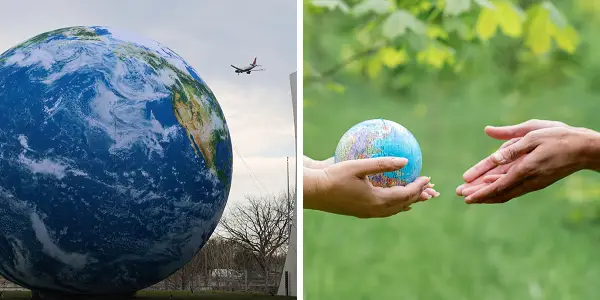
The Earth’s Value: An Exploration of Its...

Rising Frustration in Aceh as Flood Relief...
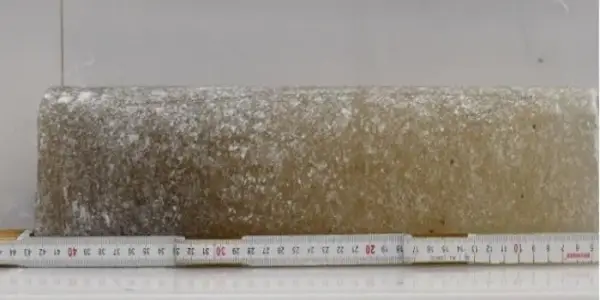
Ancient Air Trapped in 6-Million-Year-Old...
Blue Origin's New Glenn Rocket Successfully Lands...

WhatsApp Security Vulnerability Exposes 3.5...
The Challenges of Sending a Supervillain into the...

Innovative Gel Shows Promise in Regenerating...

Putin Initiates Strategic Plan for Russia's Rare...
Abrams Studios Announces New Sci-Fi Exploration...
New Technique Unveils Natural Clock in Dinosaur...

UK Churches Embrace Heat Pumps for Sustainable...
Asteroid Impact in Finland Reveals Ancient...
Innovative Engine Harnesses Deep Space Energy for...
Turkey Declines Rare Earth Element Sales to the...

Brazil's Lula Urges Global Action Against Climate...
Exploring Sustainable Approaches to Deep-Sea...

New Insights into 'Project Hail Mary' Reveal...
HEO Robotics Expands Satellite Imaging...