Classic Sci-Fi Film 'Forbidden Planet' Draws Inspiration from Shakespeare's 'The Tempest'
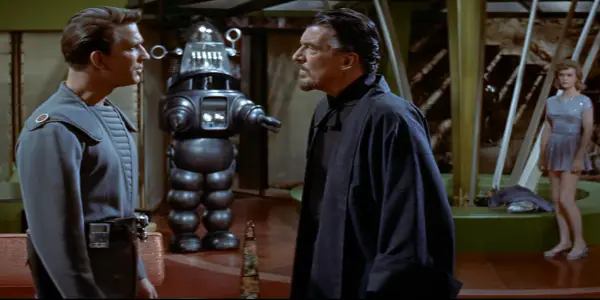
The 1956 film 'Forbidden Planet' features themes and characters inspired by Shakespeare's 'The Tempest,' showcasing a unique sci-fi adaptation.
In-depth analysis
Natural phenomena
'Forbidden Planet' showcases the intersection of human emotion and advanced technology, reminiscent of Shakespeare's exploration of the human condition. The film's setting on the alien planet Altair IV serves as a backdrop for these themes, highlighting the tension between nature and artificiality, and the consequences of humanity's quest for knowledge.
Impact on communities
'Forbidden Planet' has left a lasting mark on both film and literature communities, inspiring countless creators and scholars. Its innovative storytelling has fostered discussions about the integration of classic themes within modern narratives.
Scientific updates
The film's portrayal of advanced robotics through the character of Robby reflects early speculative ideas about artificial intelligence. This representation has prompted ongoing discussions in the scientific community regarding the ethical implications and future possibilities of AI technology in society.
Future outlook
'Forbidden Planet' remains a significant reference point for future science fiction works. Its ability to blend classic literature with futuristic themes suggests that similar adaptations will continue to emerge, ensuring the relevance of Shakespearean narratives in contemporary storytelling.
Did you know?
Why this matters for our planet
The enduring legacy of 'Forbidden Planet' showcases the importance of creativity in tackling contemporary issues. By blending classic literature with futuristic narratives, the film encourages audiences to reflect on our relationship with technology and the environment. As we face climate change and technological advancements, such stories remind us to consider the ethical implications of our innovations and the responsibility we hold for our planet's future.
Earth's undiscovered wonder
Despite its portrayal of advanced technology, 'Forbidden Planet' highlights a lesser-known reality: the original Robby the Robot was created with a complex system of over 200 individual parts. This intricate design not only amazed audiences in 1956 but also paved the way for future robotics in cinema and influenced real-world robotics engineering.
The voice of Earth
Marcus, 34, from Chicago, grew up captivated by the tales of intergalactic adventures in 'Forbidden Planet.' As a child, he and his father would watch the film every Saturday, bonding over the themes of exploration and the unknown. Years later, after losing his father, Marcus felt a profound connection to the movie's exploration of human relationships amid vastness. Today, he volunteers in a local community theater, hoping to inspire the next generation to appreciate the beauty of storytelling—both Shakespearean and sci-fi—reminding them that every story holds a reflection of our humanity.
Expert Commentary

Tennessee's Nature-Based Solutions for Health and...

Exploring the Depths of Nature: Boyd Varty's...
Sun Emits Second-Strongest Flare of 2025, Causing...

Newly Discovered Snake Species Named After Steve...
Innovative Engine Harnesses Deep Space Energy for...
Insights into Lithospheric Dynamics from Turkana...
James Webb Space Telescope Reveals First 3D...

The Late Ordovician Mass Extinction: A Pivotal...
Ancient Crocodile Fossils Unearthed in Australia...

Notable Aquatic Highlights from the 2025 Nature's...

Exploring the Conclusion of 'Predator: Badlands'
The Allure of Venezuela's Oil Reserves: Analyzing...
Blue Origin's New Glenn Rocket Set to Launch...
Pacific Northwest's Subduction Zone Revealed to...

China's Meng Xiang Ship Aims for Record-Setting...
The Challenges of Sending a Supervillain into the...
Exploring Sustainable Approaches to Deep-Sea...
Breakthrough in Microscopy Sheds Light on Ocean's...
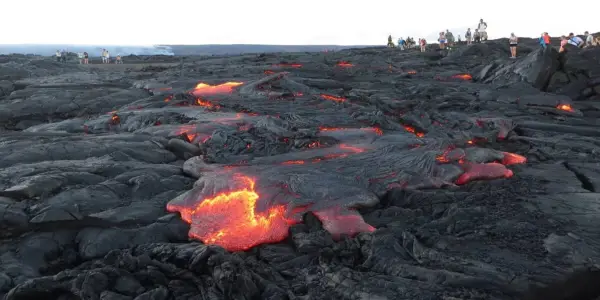
New Study Reveals Microbes Colonizing Freshly...

Rising Frustration in Aceh as Flood Relief...
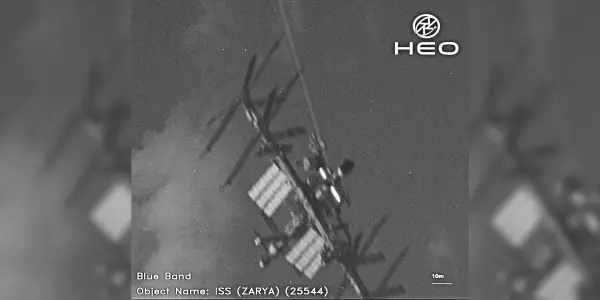
HEO Robotics Expands Satellite Imaging...
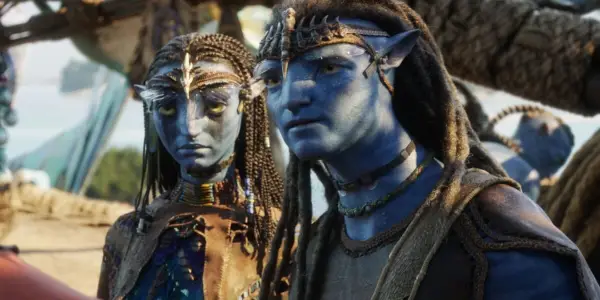
Exploring Key Questions Raised by ‘Avatar: Fire...

US Government to Halt SNAP Benefits Amid Ongoing...
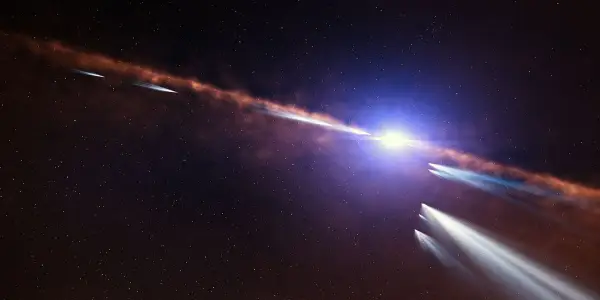
Exocomets Detected Around Distant Stars
Abrams Studios Announces New Sci-Fi Exploration...
New Glenn Rocket Completes Successful Test...
Steven Spielberg Steps Back from Sci-Fi Series...
Supercomputers Analyze Enceladus's Plume Dynamics
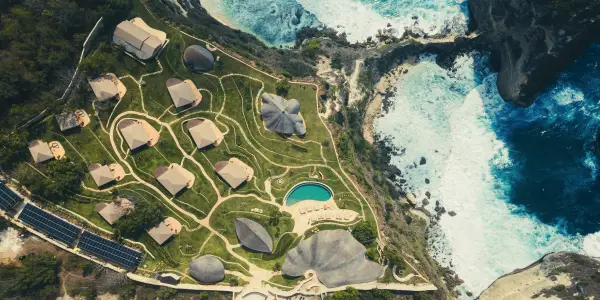
Intaaya Retreat in Indonesia Features Innovative...
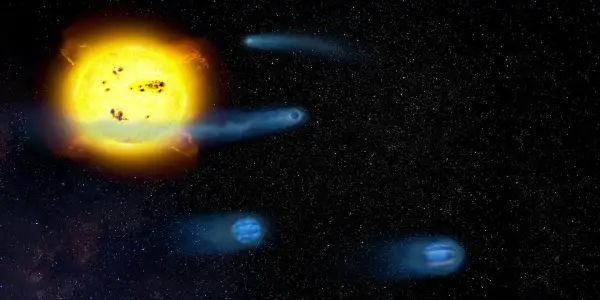
Young Star V1298 Tau Sheds Light on Planet...
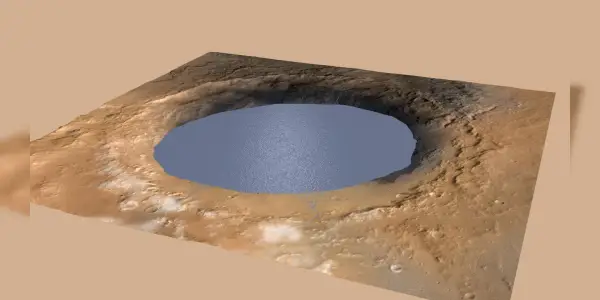
Ancient Lakes on Mars: New Research Unveils Ice...
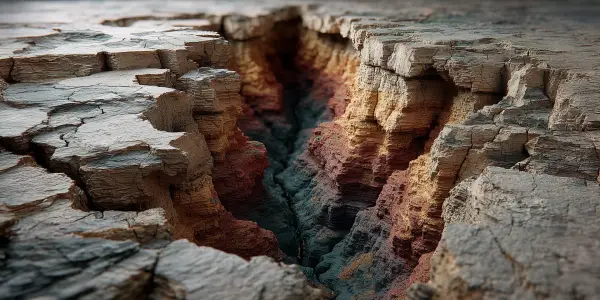
Study Reveals Fast Healing of Deep Earthquake...

November's Full Supermoon: A Celestial Event to...
Reassessing Economic Growth: Valuing Natural...
Apple Offers Support Following Fire in Hong Kong
Exploring Iterative Creativity: Pelicans on...
New Fossil Discovery Alters Understanding of...
Significant Solar Activity Forecasted to Cause...

The Earth’s Value: An Exploration of Its...

Innovative Use of Underwater Speakers Aims to...