Fungal Resilience Raises Alarms for Planetary Protection in Mars Missions
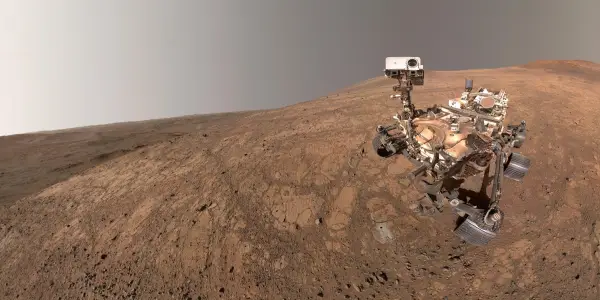
NASA's findings on resilient fungi from clean rooms underscore urgent revisions needed in planetary protection protocols for Mars exploration.
In-depth analysis
Natural phenomena
Recent findings from NASA's clean rooms have identified a resilient strain of fungus, Aspergillus calidoustus, capable of withstanding extreme conditions such as intense ultraviolet radiation and vacuum-like environments. This discovery raises intriguing possibilities regarding the survival of microbial life during space travel, particularly in the context of missions to Mars and the harsh conditions present there.
Impact on communities
The implications of these findings extend beyond scientific circles, affecting communities involved in space exploration. As protocols are reassessed, public interest and engagement in planetary protection efforts are likely to increase, emphasizing the importance of responsible exploration.
Scientific updates
The research published in Applied and Environmental Microbiology highlights significant gaps in current planetary protection protocols. With numerous fungal strains demonstrating unexpected resilience, scientists are urged to reconsider existing sterilization practices that have been in place since the 1960s, particularly in light of upcoming Mars missions.
Future outlook
As space exploration accelerates, enhancing planetary protection measures will be critical. The integration of advanced techniques like metagenomics could provide deeper insights into microbial ecosystems, ultimately ensuring safer practices for human missions to Mars and beyond.
Did you know?
Why this matters for our planet
The discovery of resilient fungi like Aspergillus calidoustus underscores the delicate balance of life and contamination as we explore other planets. If Earth microbes can survive harsh Martian conditions, they could disrupt our search for alien life and alter ecosystems on Mars. This revelation calls for a reassessment of how we safeguard not just our planet, but also the untouched worlds we aim to explore.
Earth's undiscovered wonder
Fungi are often overlooked, but some species can withstand extreme conditions, including temperatures as low as -80 degrees Celsius. Aspergillus calidoustus, found in NASA's clean rooms, has shown an incredible ability to survive in environments that mimic those on Mars, providing a glimpse into the adaptability of life.
The voice of Earth
Marcus, 34, from Chicago, never thought a simple science project would change his life. While studying astrobiology, he discovered how resilient fungi could survive in space-like conditions. This revelation ignited his passion for planetary protection. Marcus now leads community workshops to educate others about the importance of safeguarding our planet while exploring the cosmos. He often recalls the moment he realized that the tiny organisms we overlook could hold the key to understanding life beyond Earth, feeling a deep connection to both our world and the mysteries of the universe.
Expert Commentary
Ancient Crocodile Fossils Unearthed in Australia...
Damage Assessment Underway in Northern Australia...

Innovative Engine Harnesses Deep Space Energy for...
The Allure of Venezuela's Oil Reserves: Analyzing...
Blue Origin's New Glenn Rocket Successfully Lands...

WhatsApp Security Vulnerability Exposes 3.5...
Study Reveals Fast Healing of Deep Earthquake...
Young Star V1298 Tau Sheds Light on Planet...
The Challenges of Sending a Supervillain into the...

The Earth’s Value: An Exploration of Its...

Post-Artemis 2: What Insights Will Scientists...

Natural History Museums: Essential Partners in...
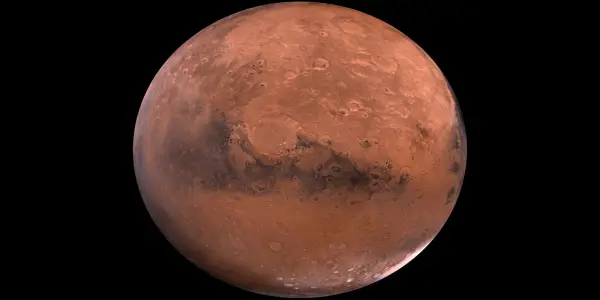
Time on Mars Outpaces Earth, Unveiling Challenges...

Reassessing Economic Growth: Valuing Natural...
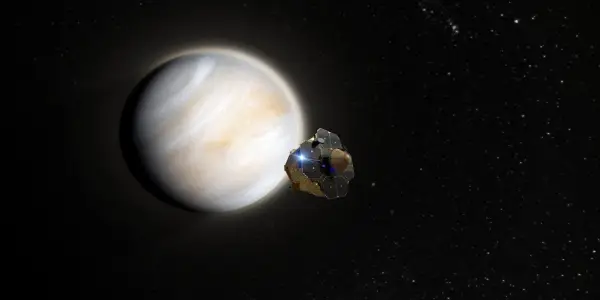
Upcoming Venus Missions Set to Explore Earth's...

VTN Architects Completes Nuoc Ui School in...
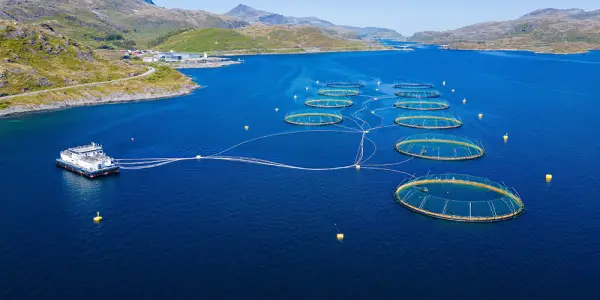
Reassessing the Impact of Farmed Seafood on Ocean...

Google Enhances Weather Forecasting with...
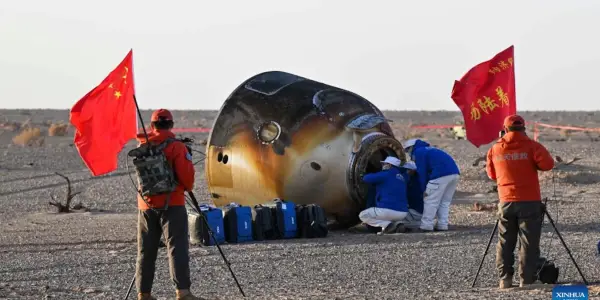
China's Astronauts Return Safely, but Another...
New Research Sheds Light on Jet Streams of Gas...

The Intersection of AI Development and Natural...
Significant Geomagnetic Storm Unleashes Auroras...

Putin Initiates Strategic Plan for Russia's Rare...
Understanding Artificial Reefs: A Solution for...

Exploring the Depths of Nature: Boyd Varty's...

Innovative Gel Shows Promise in Regenerating...
Ancient Lakes on Mars: New Research Unveils Ice...
Ancient Air Trapped in 6-Million-Year-Old...

The Impact of the Three Gorges Dam on Earth's...
Innovative Technique Utilizes Dragonberry Weed to...
Significant Solar Activity Forecasted to Cause...

Top Organic Mattresses of 2025: Birch, Avocado,...
Intense Solar Activity: Sunspot Region Produces...

Intaaya Retreat in Indonesia Features Innovative...

New Ice Age Episodes of Prehistoric Planet Now...
Innovative Use of Underwater Speakers Aims to...
The Late Ordovician Mass Extinction: A Pivotal...
New Research Suggests Water Could Form During...

Understanding the Formation of Tectonic Plates
Embracing the Light: A Reflection on Our...