Ancient Air Trapped in 6-Million-Year-Old Antarctic Ice Offers Insights into Earth's Climate History
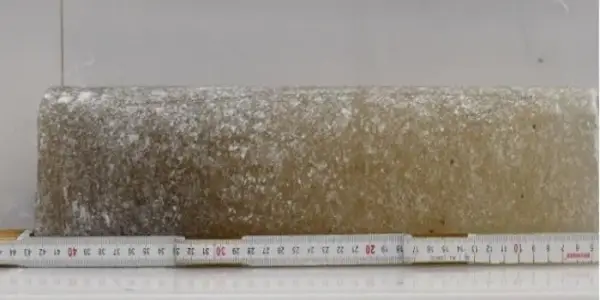
Researchers from the Center for Oldest Ice Exploration have unearthed the oldest directly dated ice cores, revealing significant climatic data from six million years ago.
In-depth analysis
Natural phenomena
The recent discovery of six-million-year-old ice cores from East Antarctica reveals crucial insights into Earth's climatic history. These ancient samples contain preserved air bubbles that reflect atmospheric conditions during a period of significantly higher global temperatures and elevated sea levels, offering a unique window into the Pliocene epoch's climate dynamics.
Impact on communities
This groundbreaking research has implications for communities worldwide, as understanding ancient climate patterns provides context for current climate change challenges. The findings could inform adaptation strategies, helping societies prepare for future environmental shifts.
Scientific updates
The analysis of the ice cores indicates a long-term cooling trend during the Pliocene, with temperatures declining several degrees. Researchers plan to further investigate atmospheric greenhouse gas levels and ocean conditions, aiming to enhance knowledge of historical climate dynamics.
Future outlook
The research team intends to return to the Allan Hills for additional drilling, potentially uncovering even older ice. This ongoing exploration is vital for deepening the scientific understanding of climate evolution and its relevance to contemporary climate issues.
Did you know?
Why this matters for our planet
Understanding ancient climate patterns from six million years ago can illuminate current climate crises, helping us predict future changes. As sea levels rise and weather patterns shift, insights from these ice cores may guide policy decisions and adaptative strategies, directly affecting how communities prepare for environmental challenges. This knowledge could shape the lives of millions, from farmers to coastal residents.
Earth's undiscovered wonder
The Allan Hills region of East Antarctica, where the ice cores were extracted, holds a unique geological feature known as the 'blue ice'—a rare phenomenon that allows scientists to access layers of ancient ice without the interference of modern snow accumulation. This pristine environment aids in preserving invaluable climate records.
The voice of Earth
Marcus, 34, from Chicago, often reflects on his childhood trips to Lake Michigan, where he learned about the delicate balance of ecosystems. When he heard about the six-million-year-old ice cores, he felt a profound connection to Earth's history. For Marcus, this discovery isn't just scientific; it’s personal. He worries about his young daughter’s future in a warming world and hopes that understanding past climates can inspire effective action. The thought that ancient air could inform their journey fascinates him, fueling his commitment to environmental advocacy.

Mars Express Reveals Evidence of Ancient Ice Age...
Perseverance Rover Discovers Unusual Rock Near...
Microsoft Integrates NASA's Satellite Data into...

Reassessing Economic Growth: Valuing Natural...
Ancient Air Trapped in 6-Million-Year-Old...
Embracing the Light: A Reflection on Our...
Blue Origin's New Glenn Rocket Set to Launch...
Supercomputers Analyze Enceladus's Plume Dynamics

Rising Frustration in Aceh as Flood Relief...
Abrams Studios Announces New Sci-Fi Exploration...

Comet Lemmon Illuminates the Skies Over England
Ancient Australian Rocks Provide Insights into...
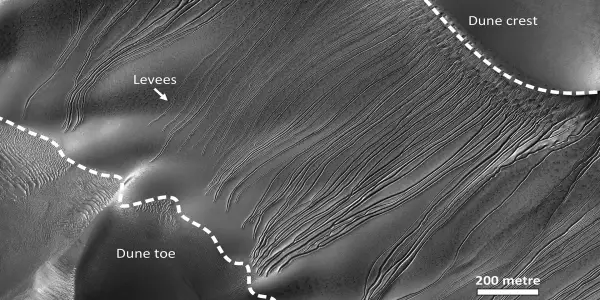
Explosive Discoveries: CO₂ Ice Blocks May Be the...

UK Churches Embrace Heat Pumps for Sustainable...
Exocomets Detected Around Distant Stars

Exploring the Conclusion of 'Predator: Badlands'
Sun Emits Second-Strongest Flare of 2025, Causing...
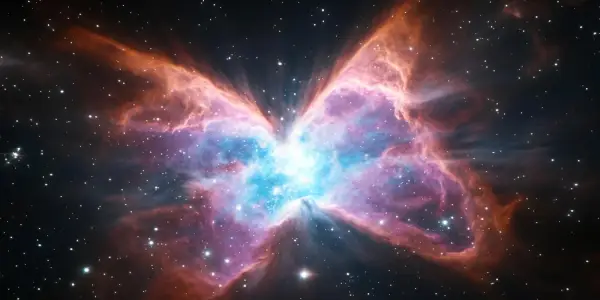
New Insights from the Butterfly Nebula May...
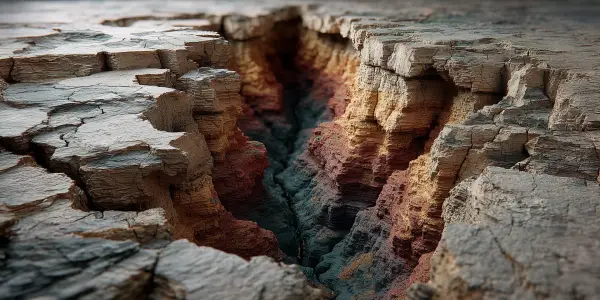
Study Reveals Fast Healing of Deep Earthquake...
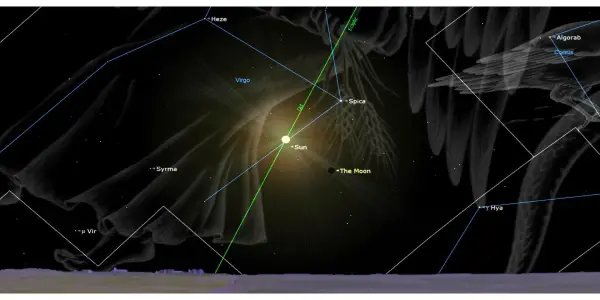
October 2025 New Moon Offers Rare Antares...

Tennessee's Nature-Based Solutions for Health and...
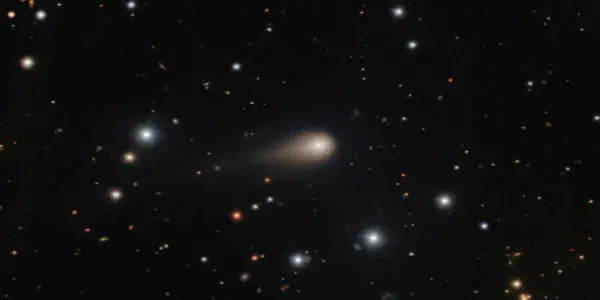
Interstellar Comet 3I/ATLAS Reaches Perihelion,...
Blue Origin's New Glenn Rocket Successfully Lands...

Ancient Crocodile Fossils Unearthed in Australia...

Portable Libraries: A Lifeline When Internet...

Indigenous Activists Challenge COP30's Rainforest...

Exploring Sustainable Methods for Rare Earth...
Reassessing the Impact of Farmed Seafood on Ocean...

WhatsApp Security Vulnerability Exposes 3.5...
The Late Ordovician Mass Extinction: A Pivotal...
Upcoming Venus Missions Set to Explore Earth's...
Sun Unleashes Spectacular Solar Flare Amid...
November's Full Supermoon: A Celestial Event to...

Aging Stars Pose Threat to Nearby Planets, New...

Innovative Use of Underwater Speakers Aims to...

VTN Architects Completes Nuoc Ui School in...

China's Astronauts Return Safely, but Another...
Exploring Sustainable Approaches to Deep-Sea...

Newly Discovered Snake Species Named After Steve...