Blue Origin's New Glenn Rocket Set to Launch NASA's ESCAPADE Mars Mission on November 9
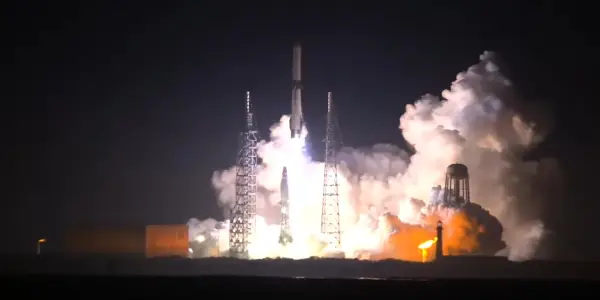
NASA's ESCAPADE Mars mission is set to launch on November 9 aboard Blue Origin's New Glenn rocket, marking a significant milestone in commercial space explor...
In-depth analysis
Natural phenomena
The upcoming launch of NASA's ESCAPADE Mars mission on November 9 is set against a backdrop of significant astronomical phenomena. This mission will deploy twin spacecraft to investigate the Martian atmosphere, exploring its escape processes. Such studies are crucial for understanding not just Mars, but also the broader dynamics of planetary atmospheres in our solar system.
Impact on communities
The ESCAPADE mission is expected to foster community engagement in space exploration, particularly through its live broadcast. This accessibility can inspire interest in STEM fields, encouraging the next generation of scientists and engineers.
Scientific updates
The ESCAPADE mission, featuring twin spacecraft named Blue and Gold, aims to provide vital insights into the Martian atmosphere. Constructed by Rocket Lab, these probes will explore atmospheric dynamics, marking the first Mars mission in over five years. Their findings could significantly advance current understanding of planetary atmospheres.
Future outlook
Looking ahead, the successful launch of ESCAPADE could pave the way for increased collaboration between NASA and private aerospace companies. This trend may lead to more innovative missions and a deeper understanding of Mars, potentially igniting public enthusiasm for future exploration initiatives.
Did you know?
Why this matters for our planet
The ESCAPADE mission could reshape our understanding of Mars, a planet that may hold clues to the origins of life and the potential for future human colonization. By studying its atmosphere, scientists might uncover how planets lose their air, which is vital for evaluating Earth's climate resilience. These insights could inform efforts to combat climate change and protect our own environment.
Earth's undiscovered wonder
Mars has the largest dust storms in the solar system, with winds that can reach speeds of 60 miles per hour. These storms can envelop the entire planet for weeks, altering its atmosphere significantly and impacting our understanding of its geological history and climate.
The voice of Earth
Marcus, 34, from Chicago, watched the Perseverance rover's landing with awe. As a child, he dreamed of exploring Mars, inspired by sci-fi tales. Now, as an aerospace engineer, he feels a deep connection to the ESCAPADE mission. "It's not just about rockets; it's about uncovering our cosmic neighbors' secrets," he shares, his eyes bright with hope. For Marcus, every new discovery sparks his passion for science and reminds him of the possibilities that lie beyond our world.
Exploring Iterative Creativity: Pelicans on...
The Challenges of Sending a Supervillain into the...
Moss Survives 9 Months in Space and Thrives After...
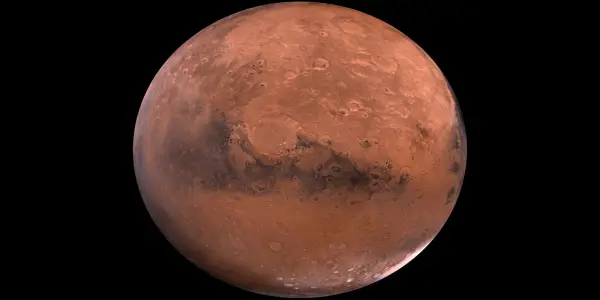
Time on Mars Outpaces Earth, Unveiling Challenges...
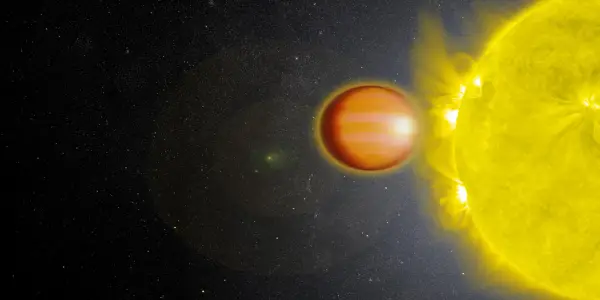
James Webb Space Telescope Reveals First 3D...

US Greenhouse Gas Emissions Increase Amid Cold...
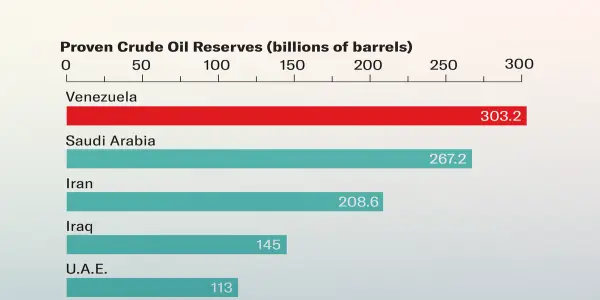
The Allure of Venezuela's Oil Reserves: Analyzing...

Exploring Sustainable Methods for Rare Earth...
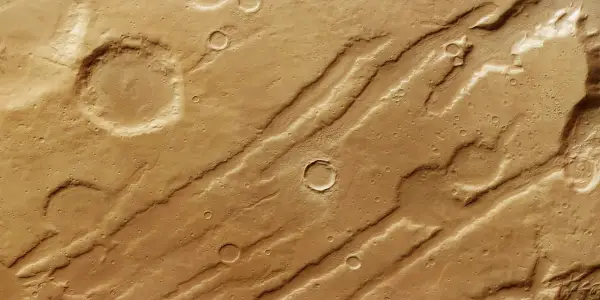
Mars Express Reveals Evidence of Ancient Ice Age...

Steven Spielberg Steps Back from Sci-Fi Series...

The Earth’s Value: An Exploration of Its...
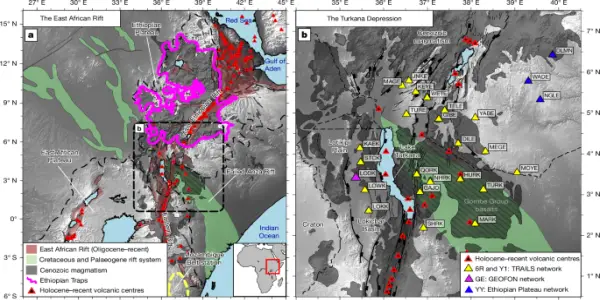
Insights into Lithospheric Dynamics from Turkana...

Portable Libraries: A Lifeline When Internet...

Top Organic Mattresses of 2025: Birch, Avocado,...

November's Full Supermoon: A Celestial Event to...
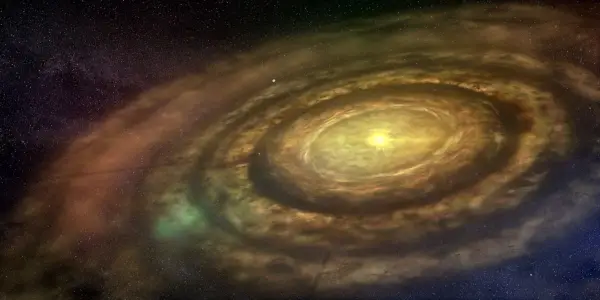
New Research Suggests Water Could Form During...
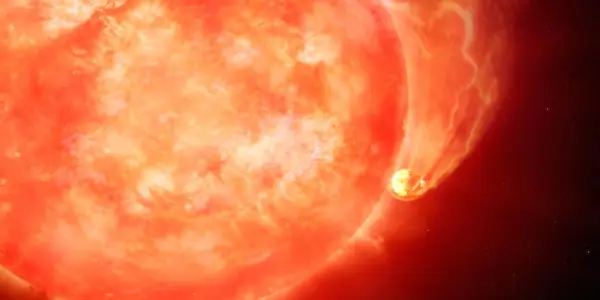
Aging Stars Pose Threat to Nearby Planets, New...
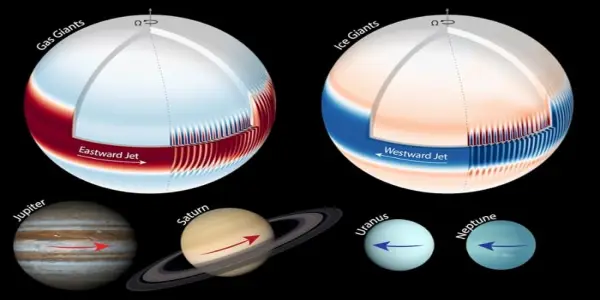
New Research Sheds Light on Jet Streams of Gas...
Significant Geomagnetic Storm Unleashes Auroras...

Johnny Keefer's Ascent Raises Questions About...
SpaceX to Launch Over 100 Satellites Today on...

FX Confirms Season 2 Renewal for 'Alien: Earth'

First Mosquito Sightings in Iceland Linked to...
New Fossil Discovery Alters Understanding of...

VTN Architects Completes Nuoc Ui School in...

Turkey Declines Rare Earth Element Sales to the...
Significant Solar Activity Forecasted to Cause...
Exocomets Detected Around Distant Stars

Post-Artemis 2: What Insights Will Scientists...
New Study Reveals Microbes Colonizing Freshly...

Understanding Artificial Reefs: A Solution for...

US Government to Halt SNAP Benefits Amid Ongoing...
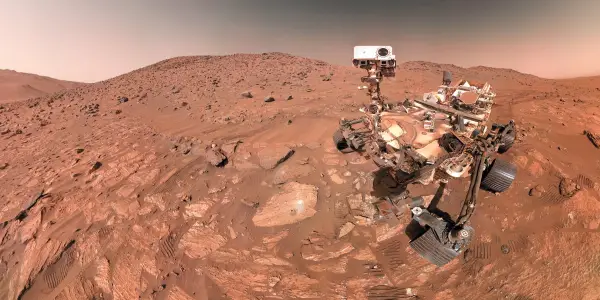
NASA's Mars Sample Return Mission Faces...

Protests Erupt at COP30 Climate Summit in Belém

Google Enhances Weather Forecasting with...

Young Star V1298 Tau Sheds Light on Planet...
Pacific Northwest's Subduction Zone Revealed to...
Sun Emits Second-Strongest Flare of 2025, Causing...
Breakthrough in Microscopy Sheds Light on Ocean's...