November's Full Supermoon: A Celestial Event to Watch
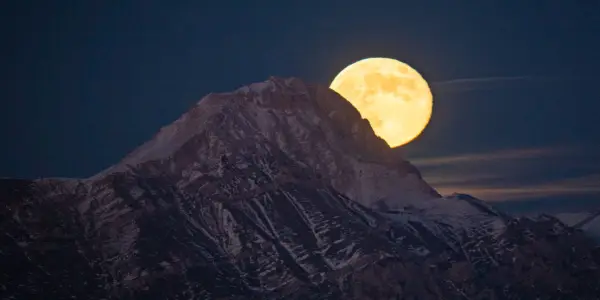
Tonight, skywatchers can enjoy November's Beaver Moon, the largest supermoon of the year, peaking at 8:15 PM EST. Don’t miss this stunning celestial event.
In-depth analysis
Natural phenomena
The November full moon, known as the Beaver Moon, reaches its peak tonight, coinciding with the year's largest supermoon. Occurring at 8:15 PM EST, it will appear larger and brighter as it approaches Earth, marking a significant event for skywatchers. This full moon also signifies the onset of winter, as beavers prepare for the colder months.
Impact on communities
The Beaver Moon's visibility encourages communal gatherings for stargazing, fostering a sense of connection among observers. Social media platforms are expected to buzz with shared images and experiences, enhancing community engagement.
Scientific updates
Astronomers classify supermoons based on the moon's proximity to Earth during its orbit. This month's supermoon aligns with the Southern Taurid meteor shower, providing a rare opportunity to observe bright fireballs alongside the full moon, enriching the celestial experience for enthusiasts.
Future outlook
As lunar events gain popularity, future supermoons are likely to attract even larger audiences. The growing interest in astrophotography will inspire more individuals to explore techniques for capturing these celestial phenomena, ensuring continued appreciation of the night sky.
Did you know?
Why this matters for our planet
The Beaver Moon serves as a reminder of the delicate balance within our ecosystems. As beavers prepare for winter, their activities influence water levels and habitat health. Observing this celestial event can inspire people to reflect on how nature's rhythms connect with our daily lives, urging us to protect these vital ecosystems that support both wildlife and human communities.
Earth's undiscovered wonder
Did you know that the moon's gravitational pull affects ocean tides, which in turn influence weather patterns? This connection plays a crucial role in regulating temperatures and precipitation, highlighting the moon's unseen impact on our planet's climate and ecosystems, far beyond just being a beautiful night sky feature.
The voice of Earth
Marcus, 34, from Chicago, has cherished the full moon since childhood when his grandfather would take him stargazing. Each November, they would marvel at the Beaver Moon, its glow reminding Marcus of the stories of nature's cycles. Now, as a father, he shares this tradition with his son, Jake, teaching him to appreciate the connection between the moon's phases and the changing seasons. For Marcus, tonight's supermoon is not just a spectacle; it’s a celebration of family, memory, and the natural world that nurtures them.

VTN Architects Completes Nuoc Ui School in...

The Impact of the Three Gorges Dam on Earth's...
China's Astronauts Return Safely, but Another...

Innovative Gel Shows Promise in Regenerating...

Rising Frustration in Aceh as Flood Relief...
Young Star V1298 Tau Sheds Light on Planet...
Intense Solar Activity: Sunspot Region Produces...

US Government to Halt SNAP Benefits Amid Ongoing...

Understanding Artificial Reefs: A Solution for...
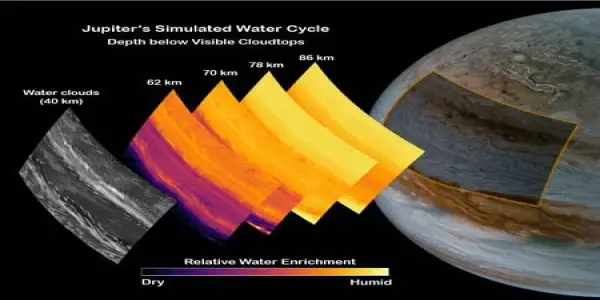
Jupiter's Rapid Spin Influences Water...
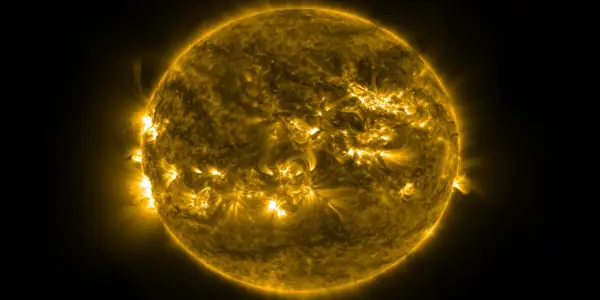
Significant Solar Activity Forecasted to Cause...
American Museum of Natural History Launches...

The Allure of Venezuela's Oil Reserves: Analyzing...

Exploring the Depths of Nature: Boyd Varty's...


Apple Offers Support Following Fire in Hong Kong

Indigenous Activists Challenge COP30's Rainforest...

Reassessing Economic Growth: Valuing Natural...
Geomagnetic Storm Forces Delay of Blue Origin's...

Exploring the Conclusion of 'Predator: Badlands'
Damage Assessment Underway in Northern Australia...

Exploring Sustainable Approaches to Deep-Sea...
Exploring the Nature of Intelligence: Insights...

Rammed Earth Homes of 2026 Showcase Sustainable...

New Technique Unveils Natural Clock in Dinosaur...
New Study Reveals Microbes Colonizing Freshly...

Innovative Engine Harnesses Deep Space Energy for...

Newly Discovered Snake Species Named After Steve...

Steven Spielberg Steps Back from Sci-Fi Series...

WhatsApp Security Vulnerability Exposes 3.5...

Putin Initiates Strategic Plan for Russia's Rare...
New Ice Age Episodes of Prehistoric Planet Now...

Pacific Northwest's Subduction Zone Revealed to...
Study Reveals Fast Healing of Deep Earthquake...

Reassessing the Impact of Farmed Seafood on Ocean...
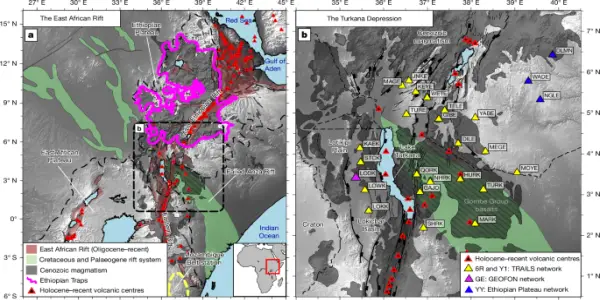
Insights into Lithospheric Dynamics from Turkana...
First Mosquito Sightings in Iceland Linked to...
Post-Artemis 2: What Insights Will Scientists...
Exocomets Detected Around Distant Stars