A Call for a Faithful Adaptation of Michel Faber's Novel Behind Under the Skin

Scarlett Johansson's Under the Skin is celebrated, yet a more faithful adaptation of its source material is warranted for deeper exploration.
In-depth analysis
Natural phenomena
The film adaptation of Under the Skin utilizes innovative guerilla filmmaking techniques to create a haunting atmosphere that mirrors the unsettling themes of Michel Faber's novel. This approach enhances the viewer's experience, immersing them in a world where the boundaries between human and alien are blurred, effectively reflecting the complexities of identity and existence.
Impact on communities
The film has sparked discussions among audiences and critics alike about the importance of fidelity in adaptations, influencing community perceptions of narrative depth and authenticity in storytelling. This dialogue highlights a collective desire for richer cinematic experiences that resonate with viewers on a deeper level.
Scientific updates
While the film's abstract interpretation has received acclaim, it diverges from the novel's intricate exploration of psychological motivations and moral complexities. The adaptation's emphasis on mood over narrative clarity raises questions about the effectiveness of visual storytelling in conveying profound themes found in Faber's original work.
Future outlook
The ongoing conversation about a more faithful adaptation of Under the Skin suggests a potential shift in the film industry towards authenticity in storytelling. As audiences increasingly seek narratives that challenge their perceptions, future adaptations may prioritize deeper engagement with source material to meet these evolving expectations.
Did you know?
Why this matters for our planet
Adaptations of literature into film shape cultural narratives, influencing how we perceive complex themes like identity and morality. A faithful retelling of Michel Faber's 'Under the Skin' could spark deeper discussions about the human experience, prompting audiences to reflect on their own identities and ethical decisions. This can impact societal values and inspire a generation to engage with challenging concepts.
Earth's undiscovered wonder
Did you know that the Scottish Highlands, the eerie setting of 'Under the Skin,' are home to over 30,000 species of plants and animals? This rich biodiversity provides a backdrop not only for storytelling but also for vital ecosystems that support both local wildlife and human communities, emphasizing the importance of preserving such unique environments.
The voice of Earth
Marcus, 34, from Chicago, recalls the first time he read Michel Faber's 'Under the Skin.' As a child, he often felt like an outsider, struggling to fit in. The book resonated deeply with him, exploring the alienation he often faced. He remembers sitting on a park bench, lost in Laura's haunting world, where he found solace in her complex existence. For Marcus, the story wasn't just fiction; it mirrored his own journey of self-discovery, igniting a passion for literature that continues to shape his understanding of humanity.
Expert Commentary

US Greenhouse Gas Emissions Increase Amid Cold...
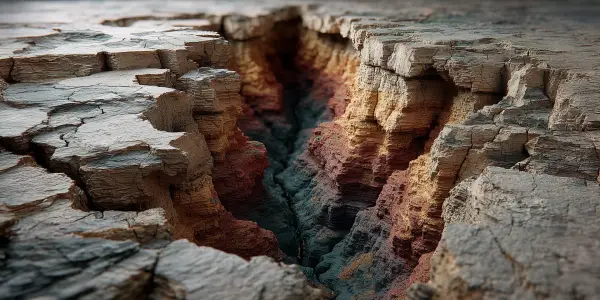
Study Reveals Fast Healing of Deep Earthquake...
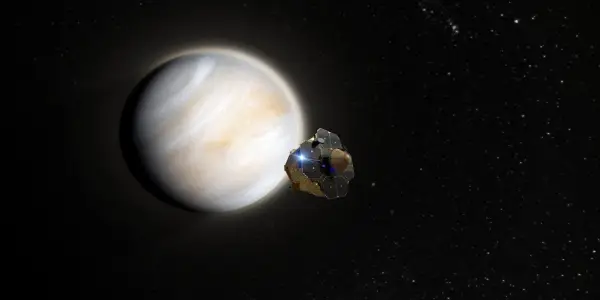
Upcoming Venus Missions Set to Explore Earth's...

Steven Spielberg Steps Back from Sci-Fi Series...
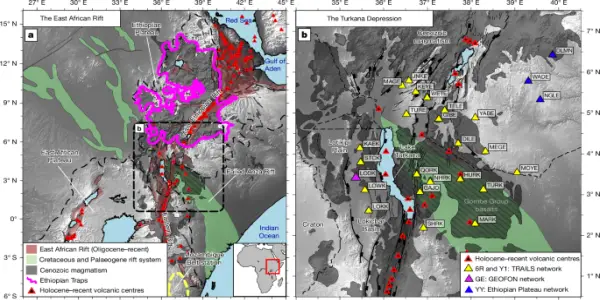
Insights into Lithospheric Dynamics from Turkana...
Abrams Studios Announces New Sci-Fi Exploration...

Intense Solar Activity: Sunspot Region Produces...

Understanding Artificial Reefs: A Solution for...

Reassessing Economic Growth: Valuing Natural...

Artemis II Sparks Renewed Interest in Lunar...
Significant Solar Activity Forecasted to Cause...
Damage Assessment Underway in Northern Australia...
New Research Sheds Light on Jet Streams of Gas...

Blue Origin's New Glenn Rocket Successfully Lands...

Google Launches WeatherNext 2: Enhanced AI...

Turkey Declines Rare Earth Element Sales to the...

New Insights into 'Project Hail Mary' Reveal...
Exploring Iterative Creativity: Pelicans on...

Johnny Keefer's Ascent Raises Questions About...

Post-Artemis 2: What Insights Will Scientists...
Mars Express Reveals Evidence of Ancient Ice Age...
New Fossil Discovery Alters Understanding of...
New Technique Unveils Natural Clock in Dinosaur...

Catherine O’Hara, Iconic Actress from...
The Allure of Venezuela's Oil Reserves: Analyzing...

Innovative Precast Rammed Earth Tennis Court...
Innovative Engine Harnesses Deep Space Energy for...

UK Churches Embrace Heat Pumps for Sustainable...
Pacific Northwest's Subduction Zone Revealed to...

US Government to Halt SNAP Benefits Amid Ongoing...

Blue Origin's New Glenn Rocket Set to Launch...

WhatsApp Security Vulnerability Exposes 3.5...

Putin Initiates Strategic Plan for Russia's Rare...
Understanding the Formation of Tectonic Plates
Time on Mars Outpaces Earth, Unveiling Challenges...
NASA's Mars Sample Return Mission Faces...
Notable Aquatic Highlights from the 2025 Nature's...

Innovative Architectural Designs Inspired by...
Ancient Lakes on Mars: New Research Unveils Ice...
First Mosquito Sightings in Iceland Linked to...