Ancient Lakes on Mars: New Research Unveils Ice Shields That Sustained Liquid Water
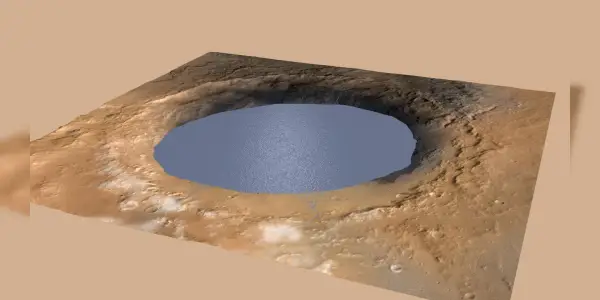
New research reveals ancient lakes on Mars developed ice shields to sustain liquid water despite a colder climate, hinting at potential life-supporting envir...
In-depth analysis
Natural phenomena
Recent studies suggest that ancient Martian lakes may have developed ice shields, allowing liquid water to persist despite a generally cold climate. Utilizing advanced climate modeling techniques, researchers explored conditions during Mars' past, revealing how a thin layer of ice could insulate water beneath, creating stable environments for extended periods.
Impact on communities
The findings regarding liquid water on Mars could inspire renewed interest in planetary exploration, potentially influencing educational and scientific initiatives aimed at understanding extraterrestrial environments.
Scientific updates
The research, led by Eleanor Moreland and supported by advanced climate modeling, utilized NASA's Curiosity rover data to simulate ancient Martian conditions. The Lake M2ARS model demonstrated how thin ice layers could allow lakes to remain stable, providing new insights into Mars' climatic history and its capacity to support life.
Future outlook
As scientists continue to investigate Mars' climate history, these findings may guide future missions. Understanding the persistence of liquid water is crucial for evaluating the planet's habitability and the potential for discovering extraterrestrial life.
Did you know?
Why this matters for our planet
Understanding how liquid water could persist on Mars despite a cold climate offers crucial insights into planetary habitability. This research invites us to reflect on Earth's own climate challenges, underscoring the significance of water conservation. As our planet grapples with rising temperatures and dwindling resources, the lessons learned from Mars may inform our efforts to protect our own ecosystems and ensure water remains available for future generations.
Earth's undiscovered wonder
Mars is home to the largest volcano in the solar system, Olympus Mons, which stands about 13.6 miles high—nearly three times the height of Mount Everest. This immense shield volcano, formed over millions of years, showcases the geological activity that once thrived on the planet, providing a glimpse into a past that could have supported liquid water and possibly life.
The voice of Earth
Marcus, 34, from Chicago, has always felt a deep connection to water. As a child, he spent summers fishing with his grandfather, who often spoke of the delicate balance of ecosystems. After learning about the potential for ancient lakes on Mars, Marcus was struck by the implications for life beyond Earth. He often finds himself pondering the fragility of water on our own planet, advocating for conservation efforts in his community. Marcus believes that understanding Mars' past can inspire humanity to care for Earth's water sources, ensuring future generations can also experience the joy of fishing, just as he did. For him, the quest for Martian lakes is not just a scientific endeavor but a personal mission to preserve the precious resource that shapes life on both planets.
New Glenn Rocket Completes Successful Test...

WhatsApp Security Vulnerability Exposes 3.5...

Apple Offers Support Following Fire in Hong Kong

Indigenous Activists Challenge COP30's Rainforest...

New Technique Unveils Natural Clock in Dinosaur...
Sun Emits Second-Strongest Flare of 2025, Causing...

Catherine O’Hara, Iconic Actress from...

Top Organic Mattresses of 2025: Birch, Avocado,...
Jupiter's Rapid Spin Influences Water...

Innovative Precast Rammed Earth Tennis Court...
Perseverance Rover Discovers Unusual Rock Near...

Damage Assessment Underway in Northern Australia...

Notable Aquatic Highlights from the 2025 Nature's...
Ancient Australian Rocks Provide Insights into...

Ancient Crocodile Fossils Unearthed in Australia...

Natural History Museums: Essential Partners in...
Blue Origin's New Glenn Rocket Set to Launch...
November's Full Supermoon: A Celestial Event to...
New Research Suggests Water Could Form During...

Post-Artemis 2: What Insights Will Scientists...
Significant Solar Activity Forecasted to Cause...
Geomagnetic Storm Forces Delay of Blue Origin's...

Innovative Engine Harnesses Deep Space Energy for...

Innovative Gel Shows Promise in Regenerating...
NASA's Mars Sample Return Mission Faces...
Exocomets Detected Around Distant Stars
Innovative Use of Underwater Speakers Aims to...

Exploring Iterative Creativity: Pelicans on...
Interstellar Comet 3I/ATLAS Reaches Perihelion,...
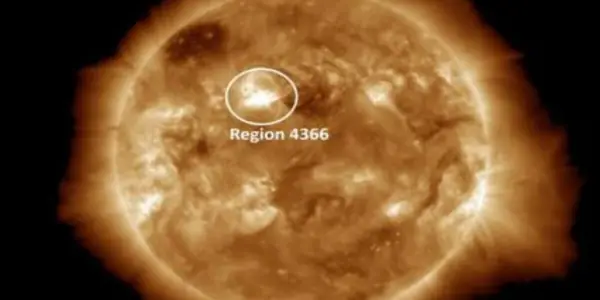
Intense Solar Activity: Sunspot Region Produces...

US Government to Halt SNAP Benefits Amid Ongoing...

UK Churches Embrace Heat Pumps for Sustainable...

Innovative Architectural Designs Inspired by...
First Mosquito Sightings in Iceland Linked to...
Upcoming Venus Missions Set to Explore Earth's...

Artemis II Sparks Renewed Interest in Lunar...

The Impact of the Three Gorges Dam on Earth's...
Young Star V1298 Tau Sheds Light on Planet...