Ancient Crocodile Fossils Unearthed in Australia Provide Insights into Unique Ecological Roles
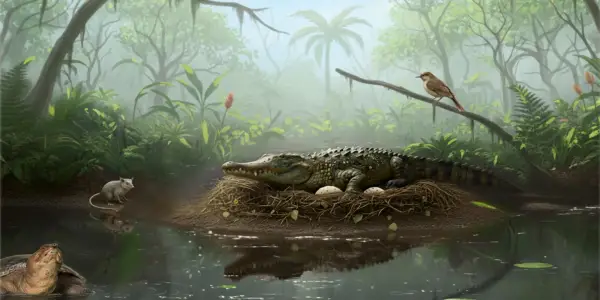
Recent discoveries of 55-million-year-old crocodile eggshells in Australia shed light on the diverse lifestyles of mekosuchine crocodiles, revealing their adaptation to various habitats, including terrestrial and possibly arboreal environments.
In-depth analysis
Natural phenomena
The discovery of the oldest known crocodile eggshells, Wakkaoolithus, in Queensland reveals significant aspects of ancient ecosystems. Dating back approximately 55 million years, these fossils provide insights into the environmental conditions of a time when Australia was geographically isolated, showcasing the adaptations of mekosuchine crocodiles to their habitats.
Impact on communities
Local landowners in Murgon have played an integral role in the excavation efforts, fostering a collaborative spirit that enhances community engagement with paleontological research. Their enthusiasm for uncovering ancient fossils contributes to both scientific discovery and local heritage.
Scientific updates
The research led by the Institut Català de Paleontologia Miquel Crusafont and UNSW Sydney emphasizes the microstructural properties of the eggshells, shedding light on the nesting behaviors and habitat preferences of mekosuchine crocodiles. These findings illustrate how these ancient reptiles adapted their reproductive strategies to changing environmental conditions.
Future outlook
Continued excavations in Murgon are expected to uncover further fossils, enriching the understanding of Australia's prehistoric biodiversity. The insights gained from these discoveries may also inform contemporary conservation strategies, particularly as climate change poses increasing challenges to modern ecosystems.
Did you know?
Why this matters for our planet
The discovery of ancient crocodile eggshells in Australia highlights the intricate relationship between species and their environments over millions of years. Understanding how mekosuchine crocodiles adapted to changing climates can inform current conservation efforts. As modern ecosystems face similar pressures from climate change, these insights can help guide how we protect existing biodiversity and preserve vital habitats that sustain life today.
Earth's undiscovered wonder
Mekosuchine crocodiles, the ancient relatives of today’s crocodiles, exhibited behaviors that are almost alien compared to their modern counterparts. For instance, some of these crocodiles might have been semi-arboreal, using trees to hunt prey, showcasing an unexpected adaptability that challenges our understanding of reptilian behavior.
The voice of Earth
Marcus, 34, from Chicago, spent his childhood roaming the forests near his home, captivated by the creatures that called it home. When he learned about the discovery of ancient crocodile eggshells in Australia, he felt a deep connection. To him, these fossils represented not just remnants of the past, but a reminder of the resilience of life. Inspired, he began volunteering at a local conservation center, hoping to protect the ecosystems he cherished. Each time he sees a turtle basking by the lake, he feels he’s not just preserving a species; he's safeguarding a piece of a story that stretches back millions of years.
Geomagnetic Storm Forces Delay of Blue Origin's...
Mars Express Reveals Evidence of Ancient Ice Age...
Steven Spielberg Steps Back from Sci-Fi Series...
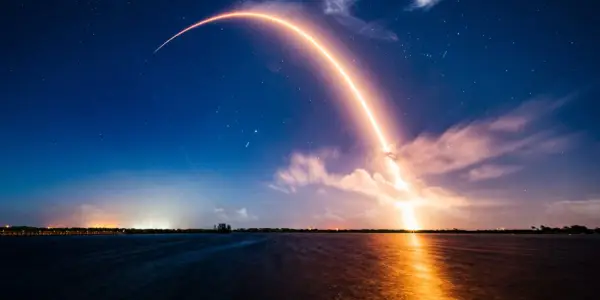
The Challenges of Sending a Supervillain into the...
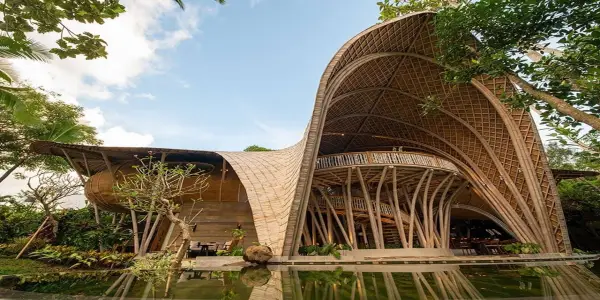
Rammed Earth Homes of 2026 Showcase Sustainable...
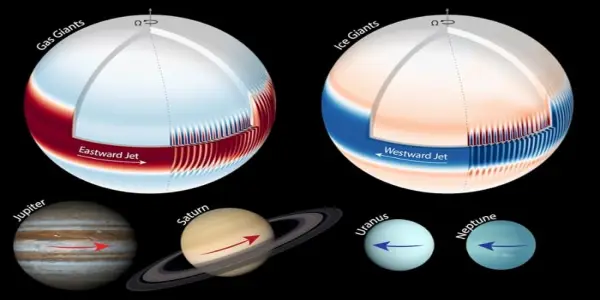
New Research Sheds Light on Jet Streams of Gas...
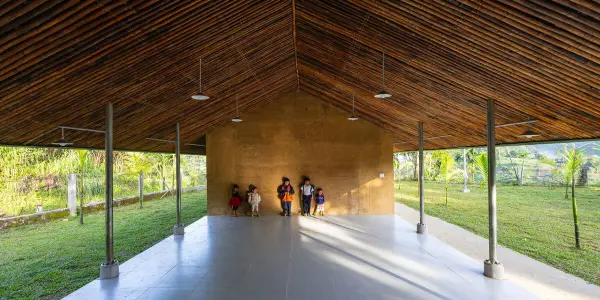
VTN Architects Completes Nuoc Ui School in...
Exploring Sustainable Approaches to Deep-Sea...
Ancient Crocodile Fossils Unearthed in Australia...
Natural History Museums: Essential Partners in...
Exploring Key Questions Raised by ‘Avatar: Fire...
The Late Ordovician Mass Extinction: A Pivotal...

Google Launches WeatherNext 2: Enhanced AI...
New Ice Age Episodes of Prehistoric Planet Now...
Intaaya Retreat in Indonesia Features Innovative...

Coyote vs. Acme Blends Looney Tunes with...
Time on Mars Outpaces Earth, Unveiling Challenges...
Protests Erupt at COP30 Climate Summit in Belém
Perseverance Rover Discovers Unusual Rock Near...

Innovative Precast Rammed Earth Tennis Court...

Rising Frustration in Aceh as Flood Relief...
Indigenous Activists Challenge COP30's Rainforest...
The Earth’s Value: An Exploration of Its...
FX Confirms Season 2 Renewal for 'Alien: Earth'
Aging Stars Pose Threat to Nearby Planets, New...

Blue Origin's New Glenn Rocket Set to Launch...
Exocomets Detected Around Distant Stars

November's Full Supermoon: A Celestial Event to...

Brazil's Lula Urges Global Action Against Climate...

Innovative Gel Shows Promise in Regenerating...

Turkey Declines Rare Earth Element Sales to the...
New Research Suggests Water Could Form During...
Ancient Air Trapped in 6-Million-Year-Old...
NASA's Mars Sample Return Mission Faces...
Blue Origin's New Glenn Rocket Successfully Lands...

Apple Offers Support Following Fire in Hong Kong
New Fossil Discovery Alters Understanding of...

Post-Artemis 2: What Insights Will Scientists...