Artemis II Sparks Renewed Interest in Lunar Exploration
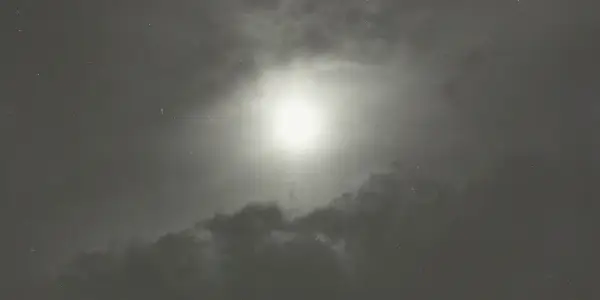
NASA's Artemis II mission has reignited public fascination with the moon, showcasing human exploration's emotional and scientific significance.
In-depth analysis
Natural phenomena
The Artemis II mission coincided with a solar eclipse, offering the crew a rare perspective on this celestial event from space. As astronauts observed the moon's surface, they noted its craters and the interplay of light and shadow, deepening our understanding of the lunar landscape and its geological features.
Impact on communities
The excitement surrounding Artemis II has reignited public interest in space exploration, fostering a sense of unity and inspiration among communities worldwide. This renewed enthusiasm highlights the mission's potential to engage diverse audiences in science and technology.
Scientific updates
Astronauts Victor Glover and Jeremy Hansen provided critical insights into the lunar environment during their journey, detailing the moon's craters and surface characteristics. These observations are vital for planning future missions aimed at establishing a sustainable human presence on the moon.
Future outlook
Artemis II is seen as a crucial stepping stone towards Artemis III, which aims to land the first woman and next man on the moon. This renewed focus on lunar exploration is expected to drive technological advancements and foster international collaboration in space research.
Did you know?
Why this matters for our planet
The Artemis II mission has the potential to revolutionize our understanding of space and its resources. By establishing a sustainable human presence on the moon, we can explore new technologies that may one day benefit life on Earth, such as advanced materials and renewable energy systems. This mission could spark innovations that address pressing global challenges, making the moon not just a destination, but a stepping stone for a healthier planet.
Earth's undiscovered wonder
Did you know that the moon is slowly drifting away from Earth at a rate of about 3.8 centimeters per year? This gradual separation is due to tidal interactions and could eventually affect our planet's rotation and climate patterns, highlighting the intricate relationship between Earth and its lunar companion.
The voice of Earth
Marcus, 34, from Chicago, grew up gazing at the moon with his grandfather, who would share tales of the Apollo missions. When he watched the Artemis II launch, he felt a deep connection to those childhood memories and a surge of hope for the future. As the crew soared towards the moon, Marcus envisioned a world where his own children could one day walk on its surface, inspired by the same wonder that captivated him. This mission, he believes, rekindles the spark of exploration that can unite generations and ignite dreams beyond our planet.
Expert Commentary

Google Launches WeatherNext 2: Enhanced AI...

Newly Discovered Snake Species Named After Steve...
James Webb Space Telescope Reveals First 3D...
Abrams Studios Announces New Sci-Fi Exploration...
Ancient Crocodile Fossils Unearthed in Australia...
Embracing the Light: A Reflection on Our...

Exploring the Depths of Nature: Boyd Varty's...
Pacific Northwest's Subduction Zone Revealed to...
Innovative Engine Harnesses Deep Space Energy for...

The Impact of the Three Gorges Dam on Earth's...

Reassessing Economic Growth: Valuing Natural...

UK Churches Embrace Heat Pumps for Sustainable...
Post-Artemis 2: What Insights Will Scientists...

Catherine O’Hara, Iconic Actress from...
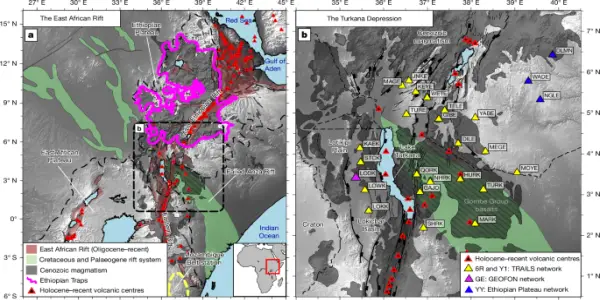
Insights into Lithospheric Dynamics from Turkana...

Intaaya Retreat in Indonesia Features Innovative...
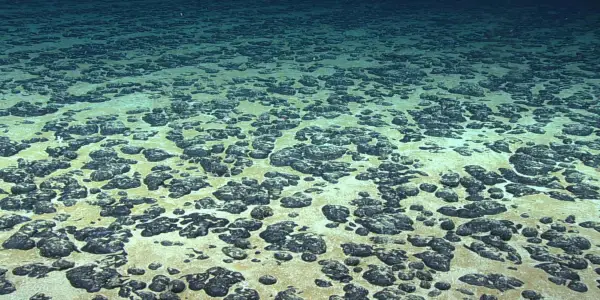
Exploring Sustainable Approaches to Deep-Sea...

Innovative Architectural Designs Inspired by...
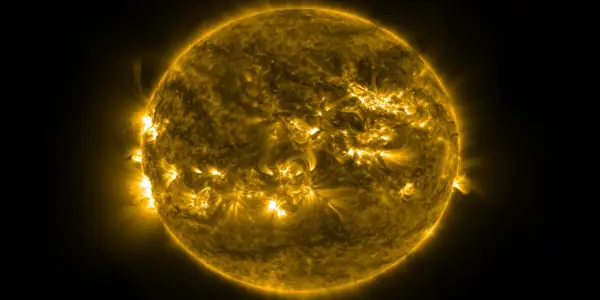
Significant Solar Activity Forecasted to Cause...
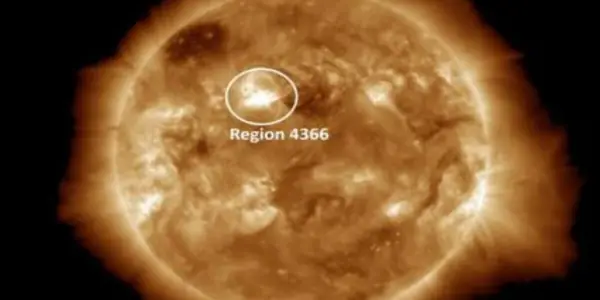
Intense Solar Activity: Sunspot Region Produces...
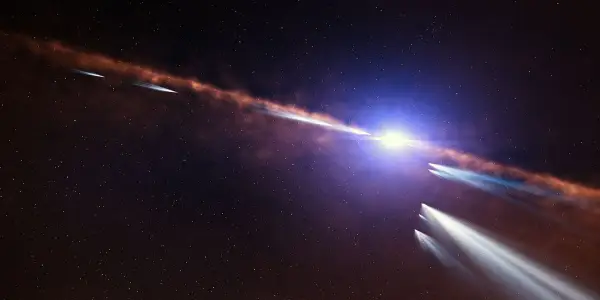
Exocomets Detected Around Distant Stars
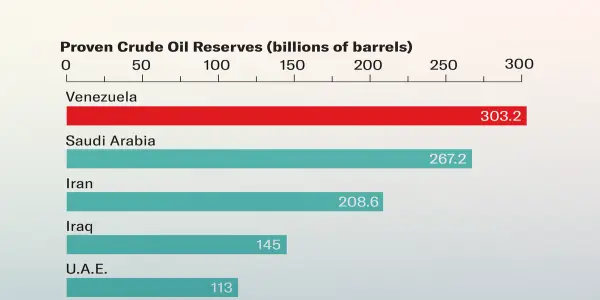
The Allure of Venezuela's Oil Reserves: Analyzing...
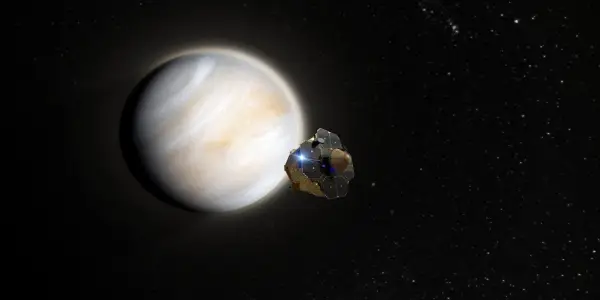
Upcoming Venus Missions Set to Explore Earth's...

Protests Erupt at COP30 Climate Summit in Belém
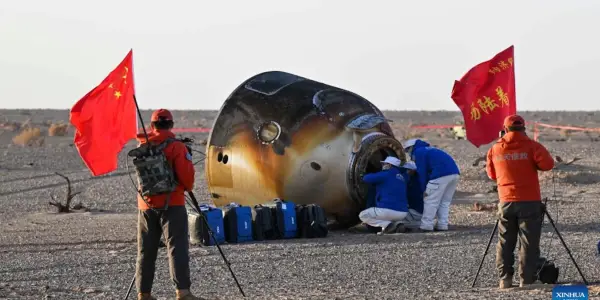
China's Astronauts Return Safely, but Another...
Blue Origin's New Glenn Rocket Successfully Lands...

Coyote vs. Acme Blends Looney Tunes with...
New Insights from the Butterfly Nebula May...

Top Organic Mattresses of 2025: Birch, Avocado,...

Damage Assessment Underway in Northern Australia...
American Museum of Natural History Launches...

VTN Architects Completes Nuoc Ui School in...
Sun Unleashes Spectacular Solar Flare Amid...

Rising Frustration in Aceh as Flood Relief...
Ancient Australian Rocks Provide Insights into...
Breakthrough in Microscopy Sheds Light on Ocean's...

US Greenhouse Gas Emissions Increase Amid Cold...

Steven Spielberg Steps Back from Sci-Fi Series...

Rammed Earth Homes of 2026 Showcase Sustainable...
Ancient Lakes on Mars: New Research Unveils Ice...