Experts Advocate for Lunar Quarantine to Safeguard Earth from Alien Life
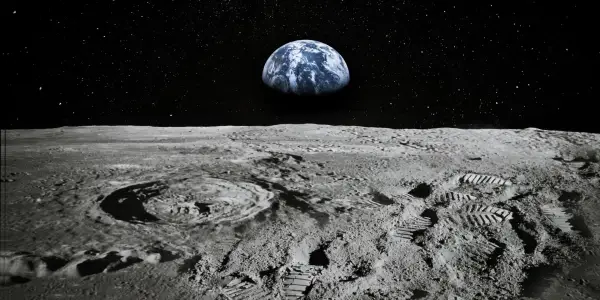
Scientists propose a lunar biocontainment facility to examine extraterrestrial samples, emphasizing the need for caution against unknown biological threats.
In-depth analysis
Natural phenomena
The proposal for a biocontainment facility on the Moon highlights the potential risks associated with returning biological materials from space missions. As humanity explores Mars and other celestial bodies, the possibility of encountering unknown microorganisms raises significant concerns about their impact on Earth's ecosystems and the need for stringent protective measures.
Impact on communities
The establishment of a lunar biocontainment facility could significantly influence global scientific collaboration. Communities involved in space research may benefit from enhanced safety protocols, fostering a collective responsibility to protect both Earth and potential extraterrestrial environments.
Scientific updates
Recent discussions emphasize the necessity of a secure lunar facility to analyze extraterrestrial samples. Researchers advocate for advanced robotic systems to minimize human exposure, reflecting a growing awareness of the risks posed by unknown biological entities collected during space exploration.
Future outlook
As space exploration intensifies, the urgency for robust planetary protection measures will likely increase. The proposed lunar quarantine facility could serve as a crucial step in ensuring safe sample returns, thereby shaping the future of interplanetary research and our understanding of extraterrestrial life.
Did you know?
Why this matters for our planet
Establishing a biocontainment facility on the Moon is crucial for safeguarding Earth's ecosystems. As we venture further into space, we risk exposing our planet to alien microorganisms that could disrupt our delicate balance of life. By analyzing samples in a secure lunar environment, we can prevent potential ecological disasters, ensuring our planet remains a safe haven for future generations.
Earth's undiscovered wonder
Did you know that microbial life can survive extreme conditions in space? Researchers have found bacteria thriving in the vacuum and radiation of space, showing resilience that raises concerns about contamination. This highlights the urgency of the proposed lunar biocontainment facility, as even microscopic extraterrestrial life could pose risks to Earth's biodiversity.
The voice of Earth
Marcus, 34, from Chicago, spent his childhood exploring the nearby forests, fascinated by the intricate relationships among living organisms. He recalls an afternoon when he discovered a rare plant species, igniting his passion for ecology. Now, as a researcher, he worries about the potential consequences of extraterrestrial materials entering Earth's ecosystems. Marcus feels a deep responsibility to protect the planet he loves, advocating for the lunar quarantine facility to ensure that humanity's quest for knowledge doesn't come at a cost to the fragile environment he cherishes.
Expert Commentary
Ancient Crocodile Fossils Unearthed in Australia...
Damage Assessment Underway in Northern Australia...
Aging Stars Pose Threat to Nearby Planets, New...
The Allure of Venezuela's Oil Reserves: Analyzing...
Blue Origin's New Glenn Rocket Successfully Lands...

WhatsApp Security Vulnerability Exposes 3.5...
Study Reveals Fast Healing of Deep Earthquake...
Young Star V1298 Tau Sheds Light on Planet...
The Challenges of Sending a Supervillain into the...
The Earth’s Value: An Exploration of Its...

Post-Artemis 2: What Insights Will Scientists...
Natural History Museums: Essential Partners in...
Time on Mars Outpaces Earth, Unveiling Challenges...
Reassessing Economic Growth: Valuing Natural...
Upcoming Venus Missions Set to Explore Earth's...

VTN Architects Completes Nuoc Ui School in...
Reassessing the Impact of Farmed Seafood on Ocean...

Google Enhances Weather Forecasting with...
China's Astronauts Return Safely, but Another...
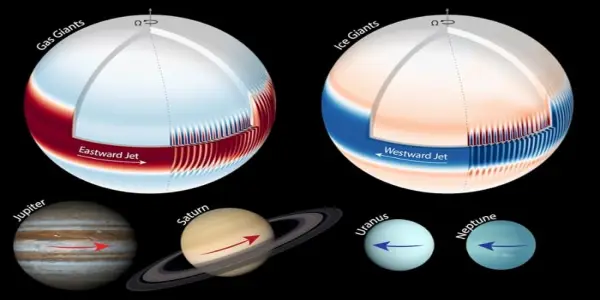
New Research Sheds Light on Jet Streams of Gas...

The Intersection of AI Development and Natural...
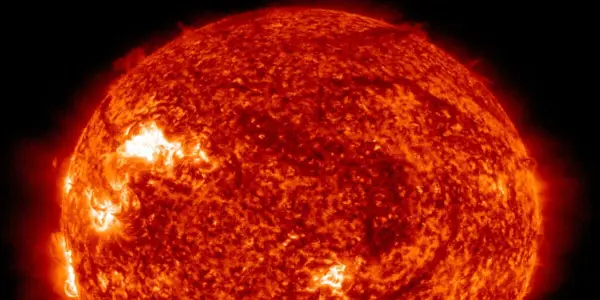
Significant Geomagnetic Storm Unleashes Auroras...

Putin Initiates Strategic Plan for Russia's Rare...
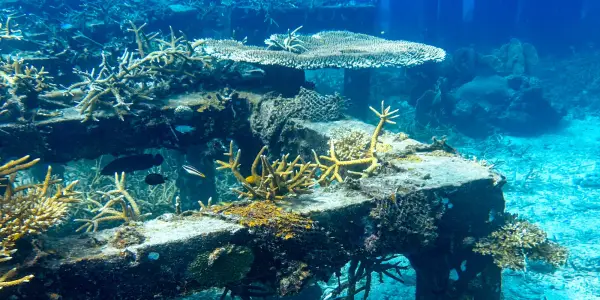
Understanding Artificial Reefs: A Solution for...

Exploring the Depths of Nature: Boyd Varty's...

Innovative Gel Shows Promise in Regenerating...
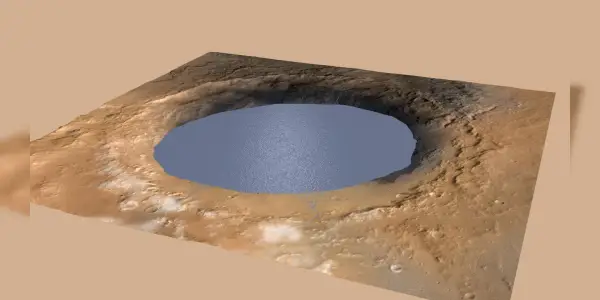
Ancient Lakes on Mars: New Research Unveils Ice...
Ancient Air Trapped in 6-Million-Year-Old...

The Impact of the Three Gorges Dam on Earth's...
Innovative Technique Utilizes Dragonberry Weed to...
Significant Solar Activity Forecasted to Cause...

Top Organic Mattresses of 2025: Birch, Avocado,...
Intense Solar Activity: Sunspot Region Produces...
Intaaya Retreat in Indonesia Features Innovative...

New Ice Age Episodes of Prehistoric Planet Now...
Innovative Use of Underwater Speakers Aims to...
The Late Ordovician Mass Extinction: A Pivotal...
New Research Suggests Water Could Form During...
Understanding the Formation of Tectonic Plates
Embracing the Light: A Reflection on Our...