The Cataclysmic Event That Nearly Erased Early Humans
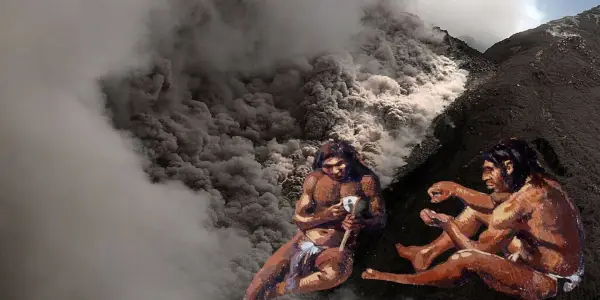
A catastrophic eruption over 70,000 years ago may have drastically reduced the human population to a mere thousand survivors.
In-depth analysis
Natural phenomena
The Mount Toba eruption, occurring approximately 70,000 years ago, released vast amounts of ash and volcanic gases into the atmosphere, causing a volcanic winter that lasted around six years. This event led to a significant global temperature drop of five to nine degrees Celsius, drastically altering the climatic conditions and impacting ecosystems worldwide.
Impact on communities
The eruption had devastating effects on early human communities, leading to widespread fatalities and a severe decline in food sources. Surviving groups were forced to adapt to harsh conditions, often uniting in larger bands for better chances of survival.
Scientific updates
Recent studies highlight the eruption's role in creating a genetic bottleneck for early humans, suggesting that all modern humans may trace their ancestry back to a small group of survivors. Geological records continue to reveal the lasting impact of Toba's ash fallout on the environment.
Future outlook
Understanding the implications of past volcanic events like Toba is crucial as humanity faces ongoing climate challenges. The resilience shown by early humans serves as a reminder of the adaptability needed to navigate future environmental shifts.
Did you know?
Why this matters for our planet
The eruption of Mount Toba serves as a stark reminder of nature's power and its long-lasting effects on human life. Understanding such events helps us grasp the fragility of our current ecosystems. As climate change poses new threats, knowing our history prepares us for future challenges, influencing how we approach conservation, food security, and disaster preparedness in our daily lives.
Earth's undiscovered wonder
Despite its catastrophic impact, the Mount Toba eruption is believed to have created a genetic bottleneck that shaped modern human evolution. Remarkably, scientists estimate that all living humans share a common ancestor from a small group of survivors, making our connection to each other deeper than we often realize.
The voice of Earth
Marcus, 34, from Chicago, often reflects on the lessons of resilience learned from history. As an outdoor enthusiast, he frequently hikes in nature, finding solace in the woods. During one trek, he stumbled upon a volcanic rock, a remnant from ancient eruptions. This discovery sparked his curiosity about our ancestors who survived harsh climates. He felt a profound connection, realizing that their struggles have shaped the world he enjoys today. Marcus advocates for environmental awareness, hoping to inspire others to appreciate the Earth’s history and protect its future.
Expert Commentary

VTN Architects Completes Nuoc Ui School in...

The Impact of the Three Gorges Dam on Earth's...
China's Astronauts Return Safely, but Another...

Innovative Gel Shows Promise in Regenerating...

Rising Frustration in Aceh as Flood Relief...
Young Star V1298 Tau Sheds Light on Planet...
Intense Solar Activity: Sunspot Region Produces...

US Government to Halt SNAP Benefits Amid Ongoing...
Understanding Artificial Reefs: A Solution for...
Jupiter's Rapid Spin Influences Water...
Significant Solar Activity Forecasted to Cause...

American Museum of Natural History Launches...
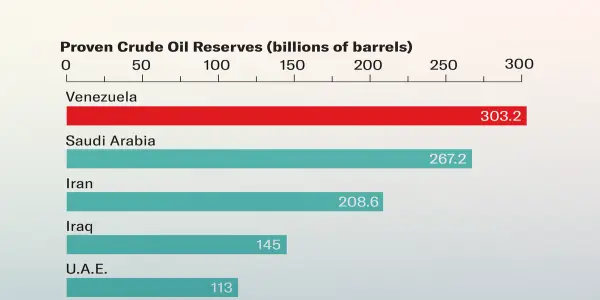
The Allure of Venezuela's Oil Reserves: Analyzing...

Exploring the Depths of Nature: Boyd Varty's...
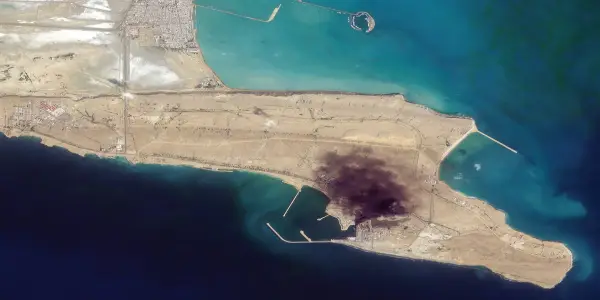

Apple Offers Support Following Fire in Hong Kong
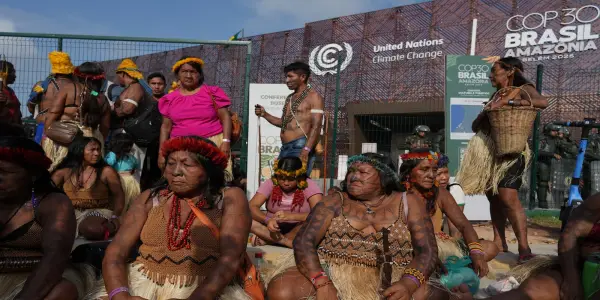
Indigenous Activists Challenge COP30's Rainforest...
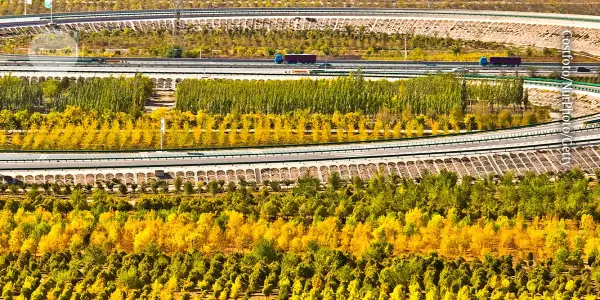
Reassessing Economic Growth: Valuing Natural...
Geomagnetic Storm Forces Delay of Blue Origin's...

Exploring the Conclusion of 'Predator: Badlands'
Damage Assessment Underway in Northern Australia...
Exploring Sustainable Approaches to Deep-Sea...

Exploring the Nature of Intelligence: Insights...

Rammed Earth Homes of 2026 Showcase Sustainable...
New Technique Unveils Natural Clock in Dinosaur...
New Study Reveals Microbes Colonizing Freshly...

Innovative Engine Harnesses Deep Space Energy for...

Newly Discovered Snake Species Named After Steve...

Steven Spielberg Steps Back from Sci-Fi Series...

WhatsApp Security Vulnerability Exposes 3.5...

Putin Initiates Strategic Plan for Russia's Rare...
New Ice Age Episodes of Prehistoric Planet Now...
Pacific Northwest's Subduction Zone Revealed to...
Study Reveals Fast Healing of Deep Earthquake...

Reassessing the Impact of Farmed Seafood on Ocean...
Insights into Lithospheric Dynamics from Turkana...
First Mosquito Sightings in Iceland Linked to...

Post-Artemis 2: What Insights Will Scientists...
Exocomets Detected Around Distant Stars