Embracing the Light: A Reflection on Our Connection to the Sun
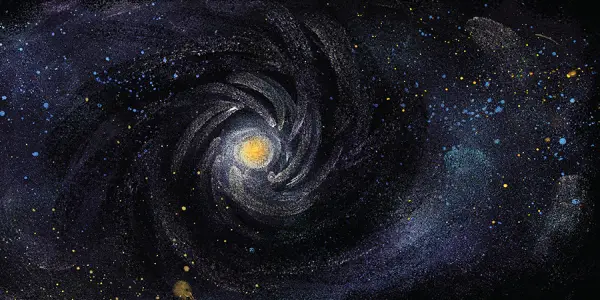
The sun's presence predates Earth by over a hundred million years, yet it is humanity's evolving capacity to perceive and utilize this light that has transformed our planet into a vibrant ecosystem.
In-depth analysis
Natural phenomena
The sun, a vital force in our solar system, has existed for over 4.5 billion years, significantly influencing Earth's biological processes. Its light is essential for photosynthesis, enabling plants to convert sunlight into energy, which sustains ecosystems. The intricate relationship between sunlight and life fosters not only biological growth but also shapes the planet's climate and weather patterns.
Impact on communities
Communities worldwide are deeply affected by their relationship with sunlight, which influences agriculture, mental health, and cultural practices. The availability of natural light can enhance well-being, foster social interactions, and inspire creativity, reinforcing the importance of sunlight in everyday life.
Scientific updates
Recent studies highlight the intricate dynamics between sunlight and human perception, revealing how light influences cognitive functions and emotional responses. Researchers are exploring the implications of light exposure on health, emphasizing its role in regulating circadian rhythms and enhancing mood, thereby underscoring the biological significance of sunlight.
Future outlook
As discussions around sustainability intensify, the relationship with sunlight is poised to evolve. Emphasizing renewable energy sources and environmental stewardship, future generations are encouraged to harness the sun's power responsibly, fostering a culture of appreciation for natural resources and their role in sustaining life.
Did you know?
Why this matters for our planet
The sun's energy is fundamental to Earth's ecosystems, directly influencing agriculture and food security. As climate change alters weather patterns, understanding solar dynamics becomes essential for sustainable farming practices. Communities rely on sunlight for crops, and shifts in its availability can affect local economies and food supplies, highlighting our vulnerability and the need for adaptive strategies.
Earth's undiscovered wonder
Did you know that the sun's light takes about eight minutes to reach Earth? This means every ray we experience is a glimpse of the past, originating from a massive nuclear furnace 93 million miles away, constantly shaping life on our planet in real time.
The voice of Earth
Marcus, 34, from Chicago, often finds solace in his rooftop garden. One afternoon, he paused to watch sunlight dance through his tomato plants, a vivid reminder of why he started gardening. During a tough period in his life, tending to those plants became a lifeline, teaching him patience and connection to nature. He recalls how each sunlit leaf felt like a whisper of hope, reinforcing his bond with the Earth and inspiring him to advocate for sustainable practices in his community.

China's Astronauts Return Safely, but Another...
The Late Ordovician Mass Extinction: A Pivotal...

The Impact of the Three Gorges Dam on Earth's...
Exploring Iterative Creativity: Pelicans on...

Exploring Sustainable Methods for Rare Earth...
Blue Origin's New Glenn Rocket Set to Launch...

WhatsApp Security Vulnerability Exposes 3.5...

Mars Express Reveals Evidence of Ancient Ice Age...
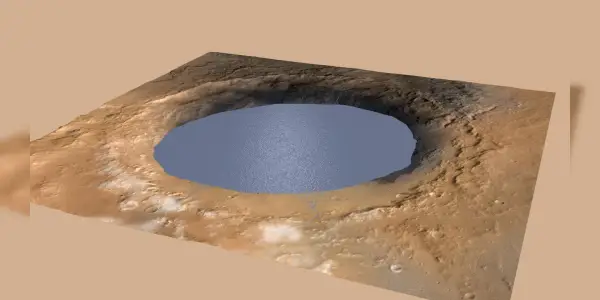
Ancient Lakes on Mars: New Research Unveils Ice...

UK Churches Embrace Heat Pumps for Sustainable...

Sun Unleashes Spectacular Solar Flare Amid...

Top Organic Mattresses of 2025: Birch, Avocado,...

Putin Initiates Strategic Plan for Russia's Rare...

Innovative Precast Rammed Earth Tennis Court...


New Study Reveals Microbes Colonizing Freshly...
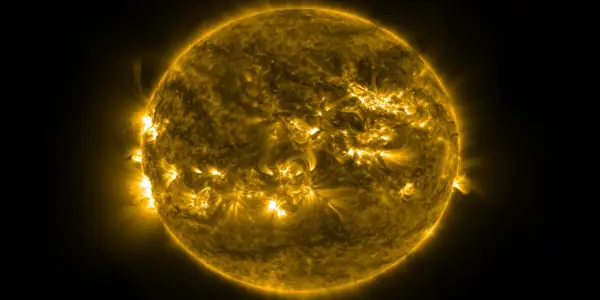
Significant Solar Activity Forecasted to Cause...

Protests Erupt at COP30 Climate Summit in Belém

Innovative Engine Harnesses Deep Space Energy for...

Indigenous Activists Challenge COP30's Rainforest...

Newly Discovered Snake Species Named After Steve...

Johnny Keefer's Ascent Raises Questions About...
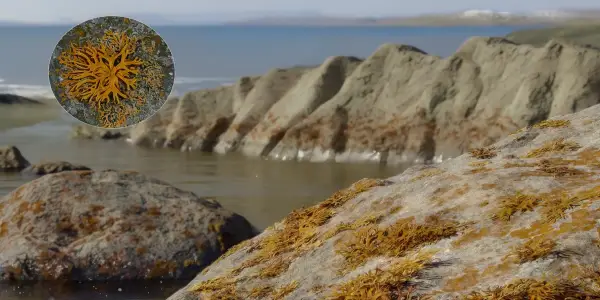
New Fossil Discovery Alters Understanding of...

Sun Emits Second-Strongest Flare of 2025, Causing...

Innovative Gel Shows Promise in Regenerating...
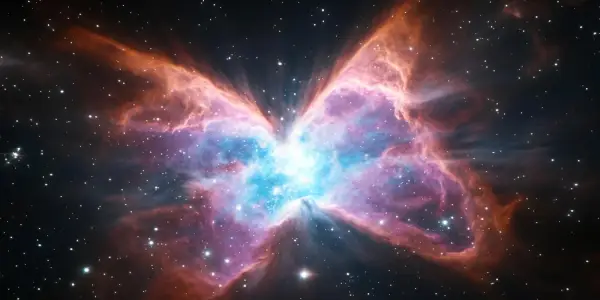
New Insights from the Butterfly Nebula May...
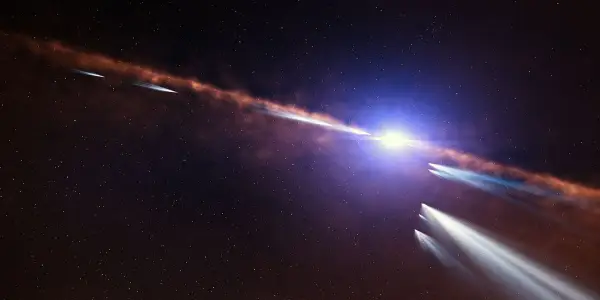
Exocomets Detected Around Distant Stars

Notable Aquatic Highlights from the 2025 Nature's...

Steven Spielberg Steps Back from Sci-Fi Series...
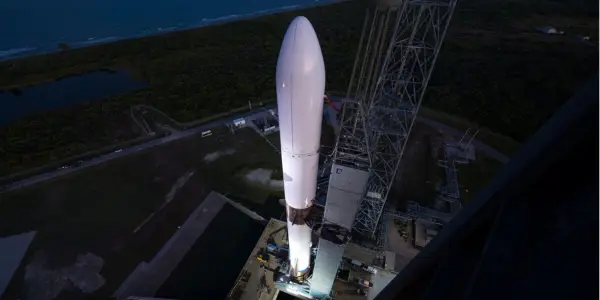
Geomagnetic Storm Forces Delay of Blue Origin's...

FX Confirms Season 2 Renewal for 'Alien: Earth'

Intense Solar Activity: Sunspot Region Produces...

Apple Offers Support Following Fire in Hong Kong

Portable Libraries: A Lifeline When Internet...

Rammed Earth Homes of 2026 Showcase Sustainable...

HEO Robotics Expands Satellite Imaging...
Interstellar Comet 3I/ATLAS Reaches Perihelion,...
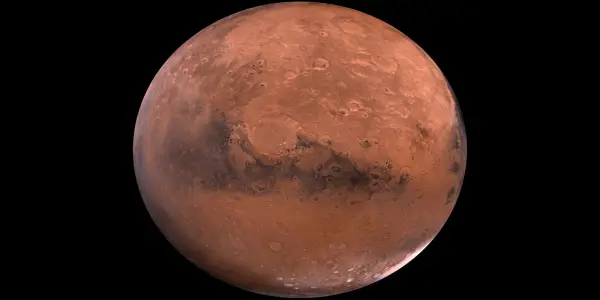
Time on Mars Outpaces Earth, Unveiling Challenges...

Innovative Architectural Designs Inspired by...

Exploring the Nature of Intelligence: Insights...