L 98-59 d: A Unique Exoplanet That Could Redefine Planet Classification
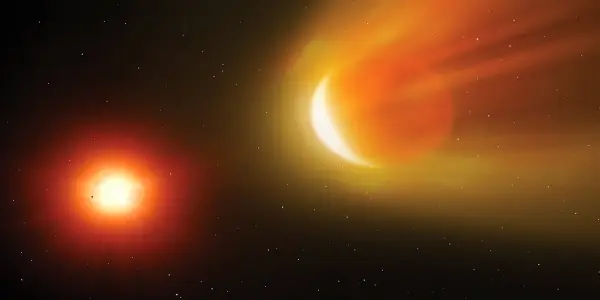
Astronomers are exploring L 98-59 d, a sulfur-rich exoplanet, which may lead to new classifications in planetary science as telescopes advance.
In-depth analysis
Natural phenomena
L 98-59 d, an exoplanet located trillions of miles away, exhibits extreme conditions that challenge traditional planetary classifications. Its surface, likely resembling molten sulfur, may emit a distinct odor reminiscent of rotten eggs, highlighting the diverse and often harsh environments that exist beyond our solar system.
Impact on communities
The discovery of L 98-59 d may influence scientific communities worldwide, prompting new research directions and collaborations as astronomers seek to understand this unusual exoplanet and its implications for planetary science.
Scientific updates
Recent studies using advanced telescopes like Hubble and James Webb have revealed that L 98-59 d may belong to a new class of exoplanets characterized by molten sulfur surfaces. This discovery enhances knowledge of exoplanet diversity and formation processes, potentially reshaping existing classifications.
Future outlook
As observational technologies continue to advance, researchers expect to uncover more about L 98-59 d and similar exoplanets. The potential identification of additional sulfur-rich worlds could significantly enhance our understanding of planetary evolution and diversity.
Did you know?
Why this matters for our planet
The discovery of L 98-59 d challenges our understanding of planetary types and evolution, highlighting the diversity of worlds beyond our solar system. This knowledge could inform how we view Earth's own geological history and atmospheric changes, emphasizing the dynamic processes that shape planets. As we learn about extreme environments like L 98-59 d, we may also gain insights into potential life forms and planetary futures, which could influence scientific explorations and environmental policies on Earth.
Earth's undiscovered wonder
L 98-59 d is unlike any planet we've previously classified; its surface may be a molten landscape rich in sulfur, potentially emitting a scent reminiscent of rotten eggs. This unique characteristic suggests that there could be an entire category of exoplanets with extreme environments, reshaping our understanding of planetary formation and diversity.
The voice of Earth
Marcus, 34, from Chicago, grew up fascinated by the stars. As a child, he spent countless nights gazing through his grandfather's telescope, dreaming of distant worlds. When he learned about L 98-59 d, he felt a mix of awe and curiosity. The idea that a planet exists with a sulfur-rich surface made him reflect on Earth's own volcanic history. One evening, standing on his balcony, he looked up at the night sky and thought about how small yet interconnected our universe is. For Marcus, L 98-59 d isn’t just a scientific curiosity; it’s a reminder of the mysteries still waiting to be uncovered and the stories yet to be told, both in our world and beyond.
Expert Commentary
Young Star V1298 Tau Sheds Light on Planet...
Geomagnetic Storm Forces Delay of Blue Origin's...
Natural History Museums: Essential Partners in...

Johnny Keefer's Ascent Raises Questions About...

Exploring Key Questions Raised by ‘Avatar: Fire...

Catherine O’Hara, Iconic Actress from...
New Research Suggests Water Could Form During...
Sun Unleashes Spectacular Solar Flare Amid...
American Museum of Natural History Launches...

Rammed Earth Homes of 2026 Showcase Sustainable...
Perseverance Rover Discovers Unusual Rock Near...
The Late Ordovician Mass Extinction: A Pivotal...
Significant Geomagnetic Storm Unleashes Auroras...

The Earth’s Value: An Exploration of Its...
New Research Sheds Light on Jet Streams of Gas...
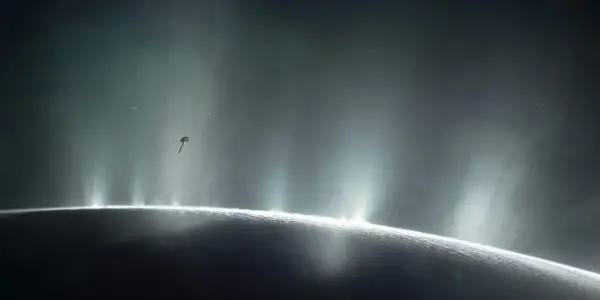
Supercomputers Analyze Enceladus's Plume Dynamics
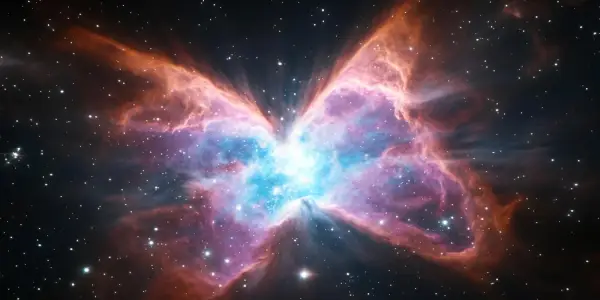
New Insights from the Butterfly Nebula May...
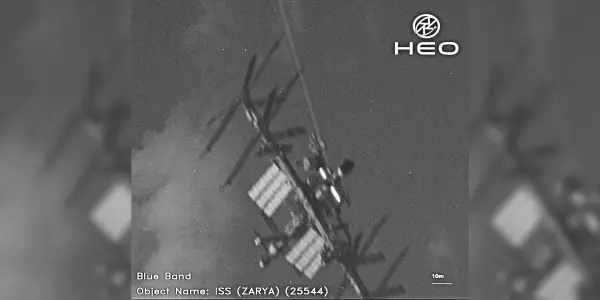
HEO Robotics Expands Satellite Imaging...
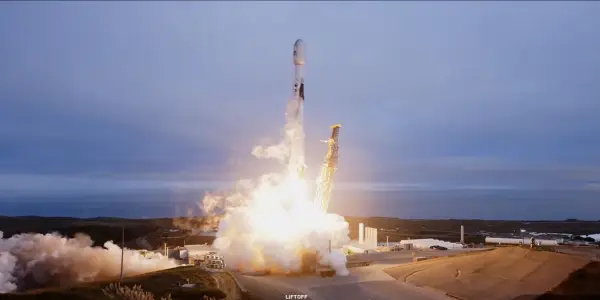
SpaceX to Launch Over 100 Satellites Today on...
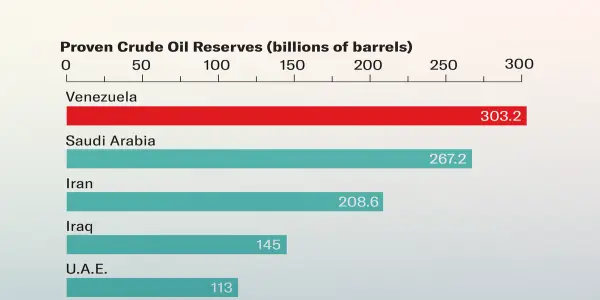
The Allure of Venezuela's Oil Reserves: Analyzing...
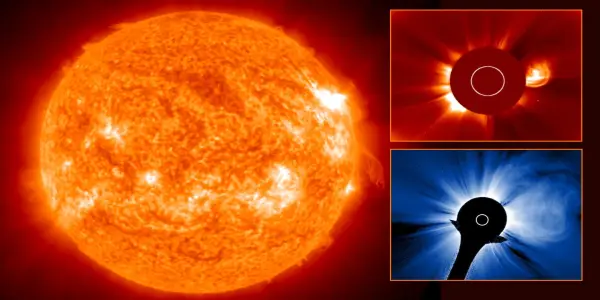
Sun Emits Second-Strongest Flare of 2025, Causing...
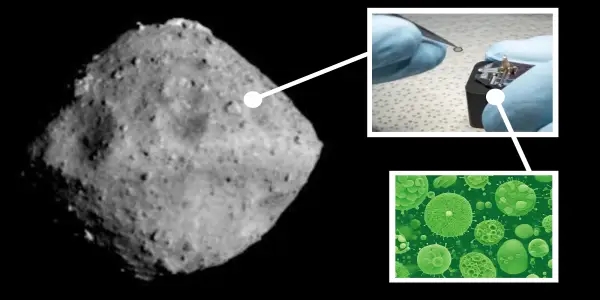
Asteroid Impact in Finland Reveals Ancient...
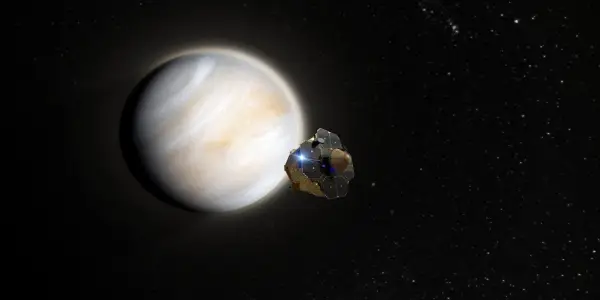
Upcoming Venus Missions Set to Explore Earth's...
New Fossil Discovery Alters Understanding of...
Breakthrough in Microscopy Sheds Light on Ocean's...
Exploring the Nature of Intelligence: Insights...
New Study Reveals Microbes Colonizing Freshly...

New Ice Age Episodes of Prehistoric Planet Now...

Rising Frustration in Aceh as Flood Relief...
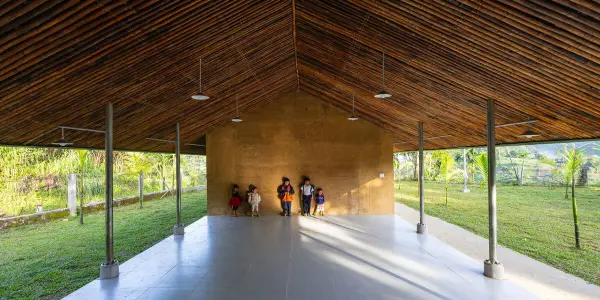
VTN Architects Completes Nuoc Ui School in...

Intaaya Retreat in Indonesia Features Innovative...

Innovative Architectural Designs Inspired by...
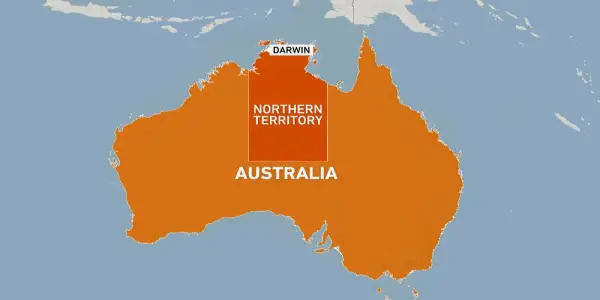
Damage Assessment Underway in Northern Australia...
Artemis II Sparks Renewed Interest in Lunar...
Exploring Sustainable Methods for Rare Earth...
Reassessing Economic Growth: Valuing Natural...

Google Launches WeatherNext 2: Enhanced AI...
The Challenges of Sending a Supervillain into the...