Asteroid Impact in Finland Reveals Ancient Microbial Life
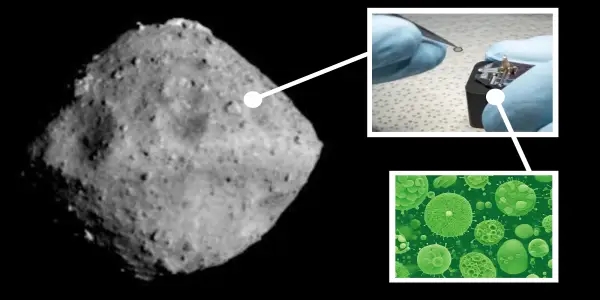
A recent study reveals that an ancient asteroid impact in Finland fostered conditions for microbial life, shedding light on Earth's early biodiversity and ge...
In-depth analysis
Natural phenomena
The asteroid impact that formed the Lappajärvi structure approximately 520 million years ago resulted in a 23-kilometer-wide crater. This event generated extreme heat, altering the geological landscape and creating unique conditions that favored the emergence of microbial life, as evidenced by the mineral formations found in the area.
Impact on communities
The establishment of a geopark by UNESCO around Lake Lappajärvi highlights the significance of the site, fostering community engagement and promoting awareness of its geological and biological heritage.
Scientific updates
Research conducted by a team from Linnaeus University revealed that microbial life began to flourish around four million years after the asteroid impact. Advanced techniques, including uranium-lead dating, helped identify mineral formations indicative of this early life, emphasizing the site's importance for understanding life's origins.
Future outlook
The research team is set to explore additional impact sites in Finland, aiming to uncover more about microbial activity in extreme environments. This ongoing study could provide critical insights into the resilience of life and its potential existence on other celestial bodies.
Did you know?
Why this matters for our planet
The discovery of microbial life emerging from an ancient asteroid impact in Finland emphasizes the interconnectedness of geological events and life's origins. This research highlights how extreme conditions can foster biodiversity, which is crucial for ecosystem balance. Understanding these processes not only deepens our knowledge of Earth's history but also informs our search for life on other planets, potentially influencing future explorations and conservation efforts.
Earth's undiscovered wonder
Lake Lappajärvi's impact structure, formed 520 million years ago, is not just a geological marvel. It is one of the few sites on Earth where scientists can study prolonged microbial activity resulting from an asteroid impact. This unique geological feature helps researchers explore how life can emerge under extreme conditions, shedding light on the resilience of life itself.
The voice of Earth
Marcus, 34, from Chicago, often finds solace in nature. During a recent hiking trip, he stumbled upon a small lake, reminiscent of Finland's Lake Lappajärvi. As he gazed into the water, he recalled a documentary about how ancient impacts nurtured microbial life. This connection sparked a profound realization for him: the very air he breathes and the food he eats are intertwined with a history of cosmic events. Inspired, Marcus now advocates for environmental education, believing that understanding our planet's past can inspire a deeper commitment to its future.

Putin Initiates Strategic Plan for Russia's Rare...
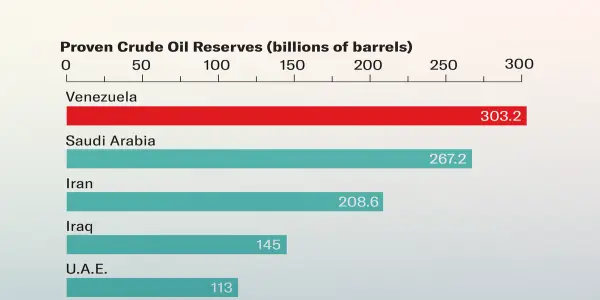
The Allure of Venezuela's Oil Reserves: Analyzing...
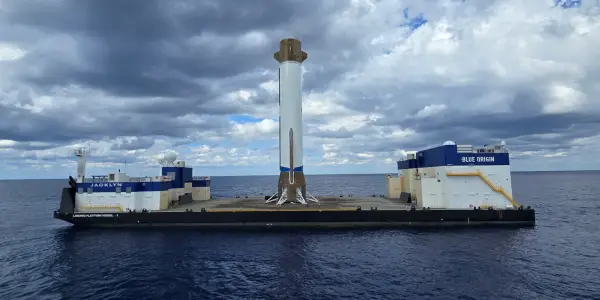
Blue Origin's New Glenn Rocket Successfully Lands...
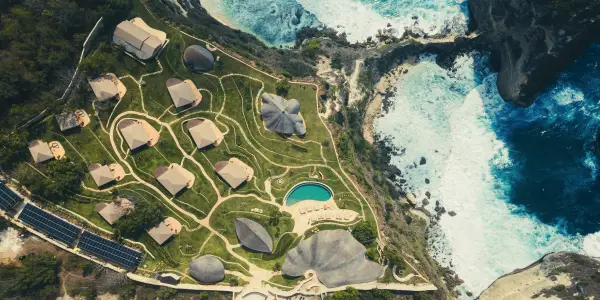
Intaaya Retreat in Indonesia Features Innovative...

Coyote vs. Acme Blends Looney Tunes with...
Perseverance Rover Discovers Unusual Rock Near...
Sun Emits Second-Strongest Flare of 2025, Causing...
Young Star V1298 Tau Sheds Light on Planet...
New Fossil Discovery Alters Understanding of...
The Impact of the Three Gorges Dam on Earth's...
Understanding Artificial Reefs: A Solution for...
Damage Assessment Underway in Northern Australia...

The Intersection of AI Development and Natural...
VTN Architects Completes Nuoc Ui School in...

UK Churches Embrace Heat Pumps for Sustainable...
Understanding the Formation of Tectonic Plates
China's Astronauts Return Safely, but Another...
HEO Robotics Expands Satellite Imaging...
Breakthrough in Microscopy Sheds Light on Ocean's...
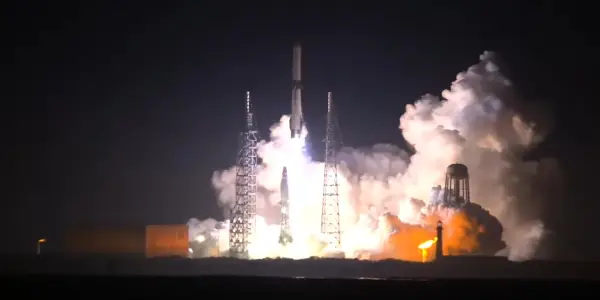
Blue Origin's New Glenn Rocket Set to Launch...
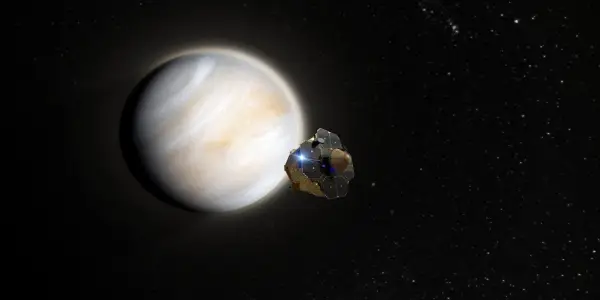
Upcoming Venus Missions Set to Explore Earth's...
Exploring the Nature of Intelligence: Insights...
Innovative Engine Harnesses Deep Space Energy for...
Exploring Sustainable Approaches to Deep-Sea...
Moss Survives 9 Months in Space and Thrives After...

Top Organic Mattresses of 2025: Birch, Avocado,...
James Webb Space Telescope Reveals First 3D...
FX Confirms Season 2 Renewal for 'Alien: Earth'
New Insights from the Butterfly Nebula May...

Exploring Key Questions Raised by ‘Avatar: Fire...
November's Full Supermoon: A Celestial Event to...

WhatsApp Security Vulnerability Exposes 3.5...

Steven Spielberg Steps Back from Sci-Fi Series...

Indigenous Activists Challenge COP30's Rainforest...

New Insights into 'Project Hail Mary' Reveal...
Geomagnetic Storm Forces Delay of Blue Origin's...
Ancient Australian Rocks Provide Insights into...
Newly Discovered Snake Species Named After Steve...