China's Astronauts Return Safely, but Another Crew Remains Stranded
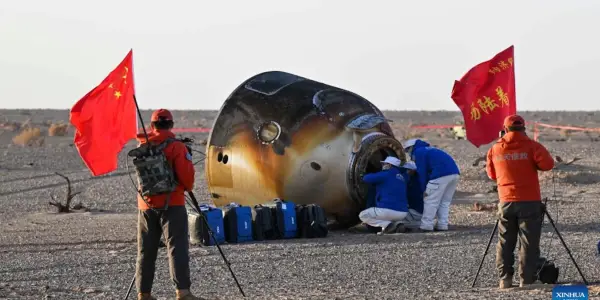
Three astronauts returned to Earth after their spacecraft was damaged by space debris, leaving another crew on the Tiangong space station without a way home.
In-depth analysis
Natural phenomena
The recent incident involving the Shenzhou spacecraft highlights the increasing threat posed by space debris. A collision with this debris caused significant damage to the spacecraft's viewpoint window, delaying the astronauts' return and emphasizing the need for improved monitoring and mitigation strategies. Such natural phenomena underscore the challenges of safe space exploration in an increasingly crowded orbital environment.
Impact on communities
The astronauts' delayed return has implications for the local community at the Dongfeng landing site, where preparations for their arrival were disrupted. This incident also affects China's broader ambitions in space exploration, potentially influencing public perception and support.
Scientific updates
In response to the incident, the China Manned Space Agency is enhancing safety protocols to address the risks associated with space debris. This includes plans for an uncrewed rescue vehicle to ensure the safety of astronauts aboard the Tiangong space station, which has also experienced partial power loss due to the debris impact.
Future outlook
The ongoing challenges presented by space debris will likely shape future missions and safety measures in China's space program. As the CMSA implements new strategies, the focus will remain on ensuring the safety and success of upcoming crewed missions to the Tiangong station.
Did you know?
Why this matters for our planet
The return of the astronauts highlights the urgent need to address space debris, a growing concern that threatens not only space missions but also our technological infrastructure on Earth. With thousands of pieces of debris orbiting our planet, the risk of collision increases, potentially disrupting satellites crucial for communication, weather forecasting, and navigation. Addressing this issue is vital for ensuring the safety of future space exploration and maintaining our daily technological reliance.
Earth's undiscovered wonder
Did you know that there are more than 27,000 pieces of space debris larger than a softball orbiting Earth? These fragments, remnants of defunct satellites and spent rocket stages, pose significant risks to operational spacecraft and the International Space Station. Understanding and mitigating this debris is essential for the future of space exploration.
The voice of Earth
Marcus, 34, from Chicago, has always been captivated by the stars. As a child, he gazed up at the night sky, dreaming of becoming an astronaut. Recently, he watched anxiously as news broke about the delayed return of the Chinese astronauts. The thought of astronauts facing danger due to space debris struck a chord with him. It reminded him of how fragile our endeavors in space can be. Inspired, Marcus began volunteering with a local organization that advocates for space sustainability, realizing that protecting our orbit is as important as exploring it.

FX Confirms Season 2 Renewal for 'Alien: Earth'

Aging Stars Pose Threat to Nearby Planets, New...

Tennessee's Nature-Based Solutions for Health and...
China's Astronauts Return Safely, but Another...

Google Enhances Weather Forecasting with...
Pacific Northwest's Subduction Zone Revealed to...

New Technique Unveils Natural Clock in Dinosaur...
HEO Robotics Expands Satellite Imaging...

Intaaya Retreat in Indonesia Features Innovative...
Innovative Engine Harnesses Deep Space Energy for...
Notable Aquatic Highlights from the 2025 Nature's...

New Research Suggests Water Could Form During...

New Insights from the Butterfly Nebula May...

New Ice Age Episodes of Prehistoric Planet Now...

Rising Frustration in Aceh as Flood Relief...

VTN Architects Completes Nuoc Ui School in...

Steven Spielberg Steps Back from Sci-Fi Series...
Time on Mars Outpaces Earth, Unveiling Challenges...
Damage Assessment Underway in Northern Australia...

Exploring Sustainable Methods for Rare Earth...

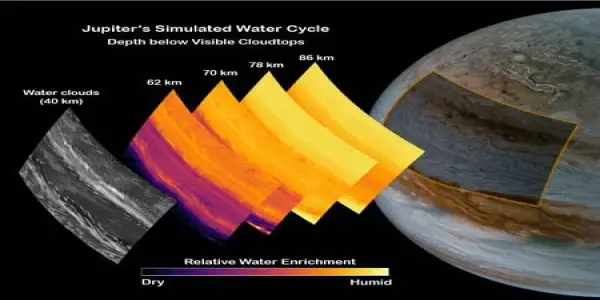
Jupiter's Rapid Spin Influences Water...

Portable Libraries: A Lifeline When Internet...

The Intersection of AI Development and Natural...

Coyote vs. Acme Blends Looney Tunes with...

Intense Solar Activity: Sunspot Region Produces...

November's Full Supermoon: A Celestial Event to...
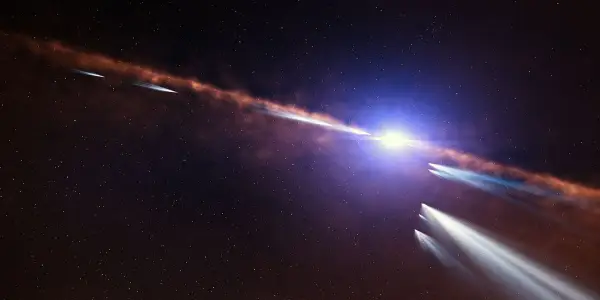
Exocomets Detected Around Distant Stars
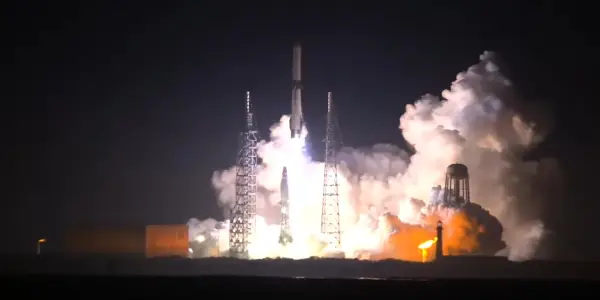
Blue Origin's New Glenn Rocket Set to Launch...
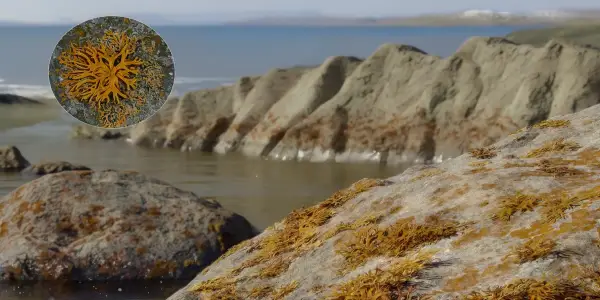
New Fossil Discovery Alters Understanding of...
Insights into Lithospheric Dynamics from Turkana...
Study Reveals Fast Healing of Deep Earthquake...

Exploring Iterative Creativity: Pelicans on...

Abrams Studios Announces New Sci-Fi Exploration...
Mars Express Reveals Evidence of Ancient Ice Age...
New Glenn Rocket Completes Successful Test...

Apple Offers Support Following Fire in Hong Kong
Understanding the Formation of Tectonic Plates

Johnny Keefer's Ascent Raises Questions About...