Mars Express Reveals Evidence of Ancient Ice Age in Coloe Fossae Region
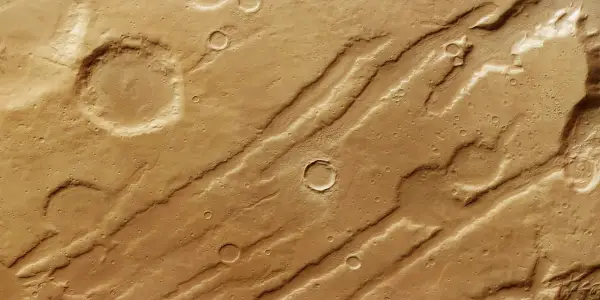
Recent high-resolution images from the Mars Express orbiter provide significant insights into the dynamic climate history of Mars, indicating that the planet experienced a past ice age that sculpted its surface.
In-depth analysis
Natural phenomena
Recent findings from the European Space Agency's Mars Express orbiter indicate that the Coloe Fossae region on Mars may have experienced its own ice age. The area's deep valleys and craters exhibit features similar to glacial formations, suggesting a rich climatic history. High-resolution imagery reveals troughs and textures resembling those in Earth's glacial environments, hinting at the past movement of ice mixed with rock and dust across the Martian landscape.
Impact on communities
The revelations about Mars's climatic history could influence future exploration missions, shaping the strategies for potential human habitation. Understanding past ice ages may inform scientists about resource availability and environmental conditions.
Scientific updates
ESA researchers report that the lineated valleys and concentric craters in Coloe Fossae indicate a significant global climate shift on Mars. Estimates suggest that this region may have been ice-covered as recently as 500,000 years ago, marking an important phase in the planet's climatic evolution.
Future outlook
The findings from the Mars Express mission pave the way for deeper investigations into Mars's geological and climatic past. As scientists refine their models, insights gained could enhance our understanding of not only Mars but also the broader dynamics of planetary climates.
Did you know?
Why this matters for our planet
Understanding Mars's ice age reveals critical insights into planetary climate dynamics, including our own. As Earth faces climate challenges, studying these extraterrestrial phenomena helps scientists predict future shifts. The parallels between Martian and Earth climates can inform strategies for managing ice melt and rising sea levels, directly impacting coastal communities and ecosystems.
Earth's undiscovered wonder
Mars's Coloe Fossae region showcases glacial features that may have formed as recently as 500,000 years ago, suggesting significant climatic shifts. This timeframe is astonishingly close to human history, highlighting the potential for rapid environmental changes on planetary scales.
The voice of Earth
Marcus, 34, from Chicago, stands at the shoreline, watching the waves crash against the pier. He recalls childhood summers spent building sandcastles, now replaced by concerns over rising sea levels. Fascinated by Mars's ice age, he believes understanding its climate history could inform his efforts to protect Lake Michigan's shoreline. Each glacial feature on Mars resonates with him as a reminder of Earth's fragility, pushing him to advocate for sustainable practices in his community.
New Research Sheds Light on Jet Streams of Gas...

SpaceX to Launch Over 100 Satellites Today on...

Exploring the Depths of Nature: Boyd Varty's...

Steven Spielberg Steps Back from Sci-Fi Series...
New Study Reveals Microbes Colonizing Freshly...
Breakthrough in Microscopy Sheds Light on Ocean's...
Time on Mars Outpaces Earth, Unveiling Challenges...
New Glenn Rocket Completes Successful Test...
James Webb Space Telescope Reveals First 3D...
Significant Solar Activity Forecasted to Cause...
The Late Ordovician Mass Extinction: A Pivotal...

FX Confirms Season 2 Renewal for 'Alien: Earth'

Tennessee's Nature-Based Solutions for Health and...

Protests Erupt at COP30 Climate Summit in Belém
Exploring Sustainable Approaches to Deep-Sea...

Apple Offers Support Following Fire in Hong Kong
Supercomputers Analyze Enceladus's Plume Dynamics

The Challenges of Sending a Supervillain into the...
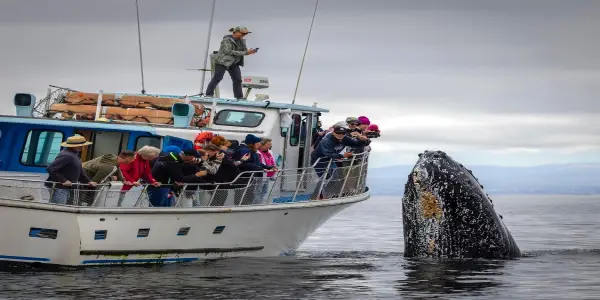
Notable Aquatic Highlights from the 2025 Nature's...
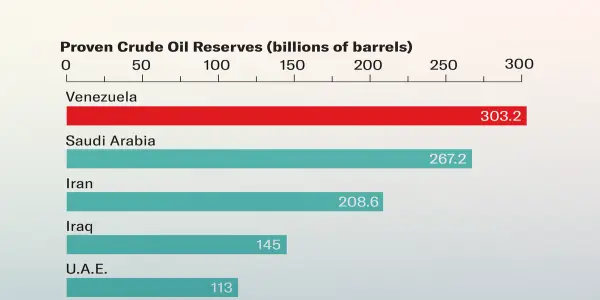
The Allure of Venezuela's Oil Reserves: Analyzing...

Abrams Studios Announces New Sci-Fi Exploration...
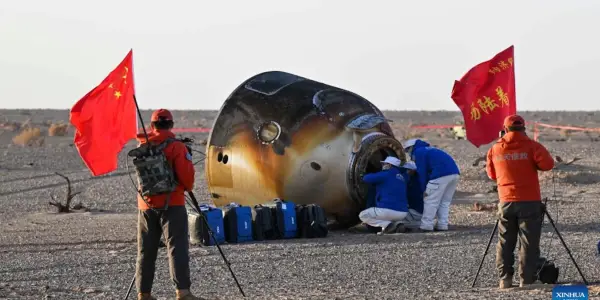
China's Astronauts Return Safely, but Another...
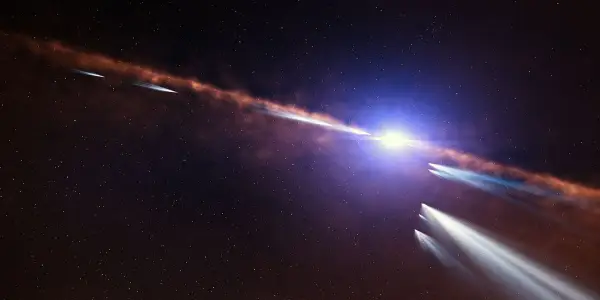
Exocomets Detected Around Distant Stars

Turkey Declines Rare Earth Element Sales to the...

Natural History Museums: Essential Partners in...

Indigenous Activists Challenge COP30's Rainforest...

Newly Discovered Snake Species Named After Steve...
Aging Stars Pose Threat to Nearby Planets, New...
Ancient Air Trapped in 6-Million-Year-Old...
Young Star V1298 Tau Sheds Light on Planet...

WhatsApp Security Vulnerability Exposes 3.5...

Rammed Earth Homes of 2026 Showcase Sustainable...
Significant Geomagnetic Storm Unleashes Auroras...
New Insights from the Butterfly Nebula May...
New Fossil Discovery Alters Understanding of...
NASA's Mars Sample Return Mission Faces...
Insights into Lithospheric Dynamics from Turkana...
Understanding the Formation of Tectonic Plates
Pacific Northwest's Subduction Zone Revealed to...