Supercomputers Analyze Enceladus's Plume Dynamics
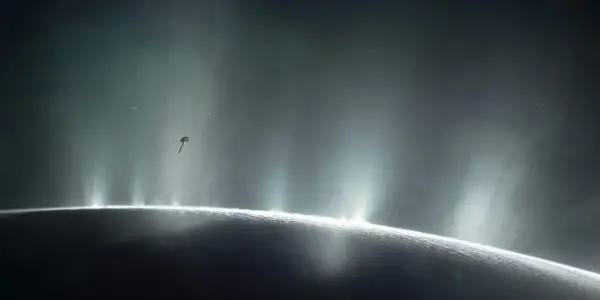
Recent simulations indicate that Enceladus's plumes lose 20–40% less mass than previously estimated, offering new insights into the moon's subsurface conditions for future exploration.
In-depth analysis
Natural phenomena
Saturn's intriguing moon Enceladus has captivated scientists due to its active geysers, which eject water vapor and icy particles into space. Recent simulations reveal that these plumes lose significantly less mass than previously thought, indicating more complex internal processes at play. This discovery enhances the understanding of cryovolcanic activity on Enceladus and its potential for harboring life.
Impact on communities
The findings regarding Enceladus's plumes may influence future space exploration initiatives, potentially leading to missions that could inspire and engage communities interested in astrobiology and planetary science.
Scientific updates
Recent research from the Texas Advanced Computing Center has refined previous estimates of Enceladus's mass loss through its geysers. Utilizing Direct Simulation Monte Carlo methods, the study provides insights into the thermal conditions and dynamics of the plumes, enhancing the understanding of the moon's subsurface ocean and its habitability.
Future outlook
The updated models of Enceladus's plumes pave the way for future robotic missions aimed at exploring its subsurface ocean. These missions could yield critical insights into the moon's potential for life and broaden our understanding of cryovolcanism in the solar system.
Did you know?
Why this matters for our planet
Understanding Enceladus's geysers and their mass loss is pivotal for assessing its potential habitability. If this moon, with its subsurface ocean, can support life, it expands our understanding of where life might exist beyond Earth. This knowledge could influence future space missions and research funding, ultimately shaping our approach to extraterrestrial exploration.
Earth's undiscovered wonder
Enceladus, one of Saturn’s moons, has a surface temperature that can dip to minus 330 degrees Fahrenheit, yet its geysers eject vapor and ice particles at speeds of up to 1,500 miles per hour. This surprising activity suggests a dynamic internal ocean, a stark contrast to the frigid environment outside.
The voice of Earth
Marcus, 34, from Chicago, has been captivated by space since childhood. As a science teacher, he often shares the wonders of Enceladus with his students. One day, after discussing Cassini's discoveries, a student raised their hand, eyes wide with curiosity, asking if there could be life beneath the icy surface. Marcus felt a surge of responsibility; the hope and wonder in that question reminded him of why he loved teaching. It wasn't just about facts and figures, but igniting curiosity about our universe and what lies beyond. The thought that a moon so distant might hold secrets to life sparked a shared dream between him and his students, connecting them to the cosmos.

WhatsApp Security Vulnerability Exposes 3.5...

Google Enhances Weather Forecasting with...

The Impact of the Three Gorges Dam on Earth's...

China's Meng Xiang Ship Aims for Record-Setting...

Intaaya Retreat in Indonesia Features Innovative...

Coyote vs. Acme Blends Looney Tunes with...
New Study Reveals Microbes Colonizing Freshly...

Innovative Precast Rammed Earth Tennis Court...
New Insights from the Butterfly Nebula May...
New Glenn Rocket Completes Successful Test...
Time on Mars Outpaces Earth, Unveiling Challenges...
New Research Suggests Water Could Form During...

Post-Artemis 2: What Insights Will Scientists...
Embracing the Light: A Reflection on Our...
Geomagnetic Storm Forces Delay of Blue Origin's...

Google Launches WeatherNext 2: Enhanced AI...

Innovative Technique Utilizes Dragonberry Weed to...

New Insights into 'Project Hail Mary' Reveal...

Understanding the Formation of Tectonic Plates
James Webb Space Telescope Reveals First 3D...

Indigenous Activists Challenge COP30's Rainforest...
The Challenges of Sending a Supervillain into the...
Young Star V1298 Tau Sheds Light on Planet...

Reassessing Economic Growth: Valuing Natural...

VTN Architects Completes Nuoc Ui School in...
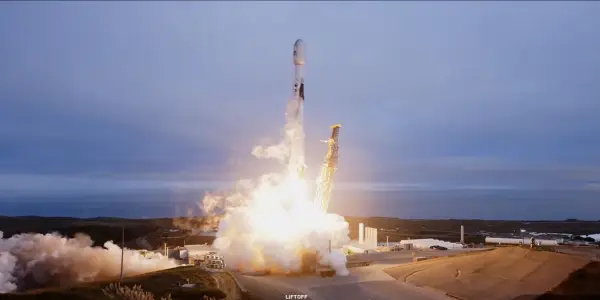
SpaceX to Launch Over 100 Satellites Today on...

Innovative Architectural Designs Inspired by...
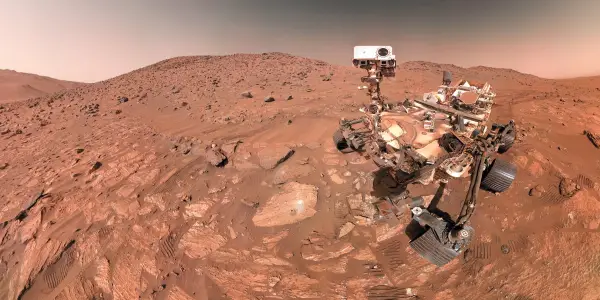
NASA's Mars Sample Return Mission Faces...

Johnny Keefer's Ascent Raises Questions About...
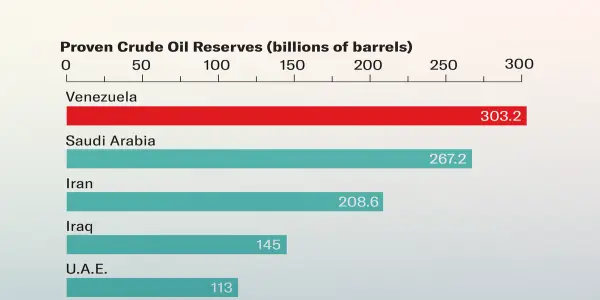
The Allure of Venezuela's Oil Reserves: Analyzing...

UK Churches Embrace Heat Pumps for Sustainable...
Abrams Studios Announces New Sci-Fi Exploration...

Top Organic Mattresses of 2025: Birch, Avocado,...

The Intersection of AI Development and Natural...
Artemis II Sparks Renewed Interest in Lunar...

Exploring the Depths of Nature: Boyd Varty's...

Exploring Sustainable Methods for Rare Earth...

Tennessee's Nature-Based Solutions for Health and...

Notable Aquatic Highlights from the 2025 Nature's...