Planet of the Apes TV Spinoff Divides Critics but Wins Over Fans

The Planet of the Apes TV spinoff has received mixed reviews, yet fans have embraced its unique take on the beloved franchise.
In-depth analysis
Natural phenomena
The 'Planet of the Apes' franchise exemplifies a cultural phenomenon that transcends generations, evolving from Pierre Boulle's novel into a multifaceted narrative universe. Its latest television adaptation, set 1,000 years in the future, explores themes of power dynamics between humans and intelligent apes, reflecting ongoing societal concerns about authority and identity.
Impact on communities
The polarized reactions to the new television adaptation illustrate the deep connections fans have with the franchise. While critics express disappointment, many viewers find resonance in the storytelling, highlighting how beloved narratives can foster community among diverse audiences.
Scientific updates
The franchise's exploration of intelligent apes raises questions about evolution and ethics, mirroring real-world discussions in fields like genetics and artificial intelligence. This adaptation's futuristic setting prompts viewers to reflect on humanity's potential trajectory and the moral implications of creating sentient beings.
Future outlook
As the 'Planet of the Apes' franchise continues to navigate its legacy, the mixed reception of the latest spinoff may influence future projects. The challenge remains to balance innovation with established themes, ensuring both new and longtime fans feel engaged.
Did you know?
Why this matters for our planet
The themes explored in the 'Planet of the Apes' franchise resonate deeply with contemporary environmental and ethical issues. By portraying a world where intelligent apes dominate, the series raises questions about human impact on nature and the consequences of our actions. This serves as a reminder that our choices today shape the planet's future, urging viewers to reflect on biodiversity, conservation, and coexistence.
Earth's undiscovered wonder
Did you know that some species of apes, like the orangutan, share about 97% of their DNA with humans? This genetic similarity highlights not only our close evolutionary ties but also the urgent need for their conservation, as habitat loss threatens their survival and the delicate balance of our ecosystems.
The voice of Earth
Marcus, 34, from Chicago, grew up mesmerized by 'Planet of the Apes.' As a child, he watched the original film with his father, who shared stories about the dangers of environmental neglect. Now, as an environmental educator, Marcus uses the franchise's themes to inspire his students. He recalls a recent class discussion where a student connected the film's message about oppression to real-world issues of deforestation. That moment reinforced for Marcus the power of storytelling to ignite passion for conservation, showing how fiction can influence reality.
Expert Commentary
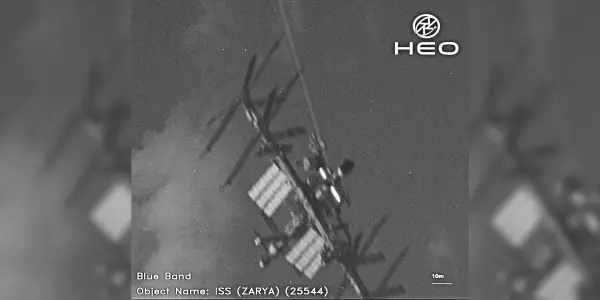
HEO Robotics Expands Satellite Imaging...
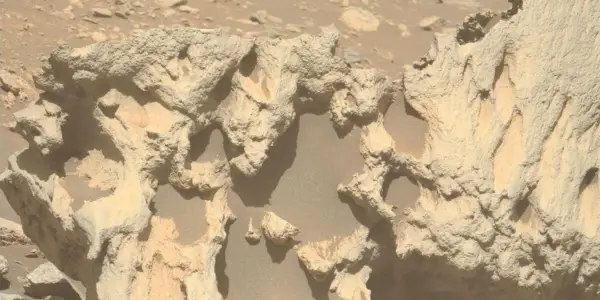
Perseverance Rover Discovers Unusual Rock Near...

Reassessing Economic Growth: Valuing Natural...
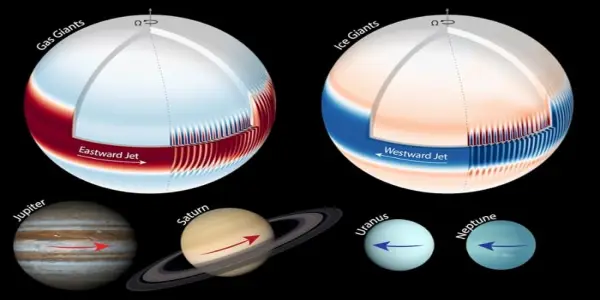
New Research Sheds Light on Jet Streams of Gas...
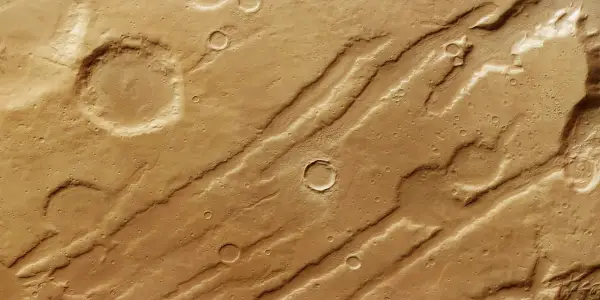
Mars Express Reveals Evidence of Ancient Ice Age...
Embracing the Light: A Reflection on Our...

WhatsApp Security Vulnerability Exposes 3.5...

Exploring the Depths of Nature: Boyd Varty's...

Reassessing the Impact of Farmed Seafood on Ocean...

Johnny Keefer's Ascent Raises Questions About...
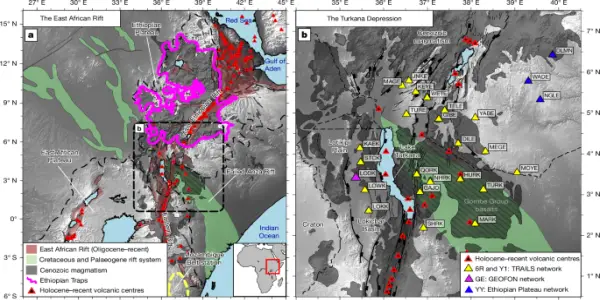
Insights into Lithospheric Dynamics from Turkana...
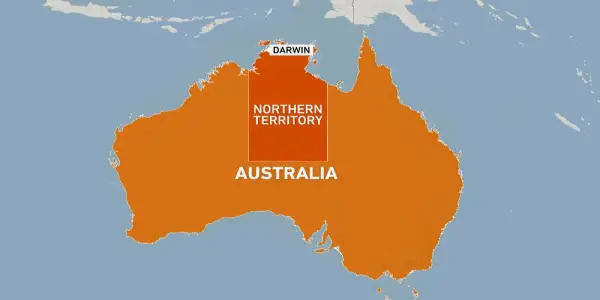
Damage Assessment Underway in Northern Australia...

Innovative Architectural Designs Inspired by...

Tennessee's Nature-Based Solutions for Health and...

Exploring Sustainable Methods for Rare Earth...

UK Churches Embrace Heat Pumps for Sustainable...

Exploring the Conclusion of 'Predator: Badlands'

Sun Emits Second-Strongest Flare of 2025, Causing...

Sun Unleashes Spectacular Solar Flare Amid...
Study Reveals Fast Healing of Deep Earthquake...

Indigenous Activists Challenge COP30's Rainforest...

Protests Erupt at COP30 Climate Summit in Belém

Ancient Australian Rocks Provide Insights into...
Young Star V1298 Tau Sheds Light on Planet...

The Intersection of AI Development and Natural...

American Museum of Natural History Launches...
Breakthrough in Microscopy Sheds Light on Ocean's...
Upcoming Venus Missions Set to Explore Earth's...
James Webb Space Telescope Reveals First 3D...
Geomagnetic Storm Forces Delay of Blue Origin's...

The Impact of the Three Gorges Dam on Earth's...

November's Full Supermoon: A Celestial Event to...

Innovative Precast Rammed Earth Tennis Court...

US Government to Halt SNAP Benefits Amid Ongoing...
Innovative Use of Underwater Speakers Aims to...

Post-Artemis 2: What Insights Will Scientists...
Ancient Lakes on Mars: New Research Unveils Ice...

US Greenhouse Gas Emissions Increase Amid Cold...