Unique Methane Mounds Unearthed Over Two Miles Beneath the Arctic Ocean
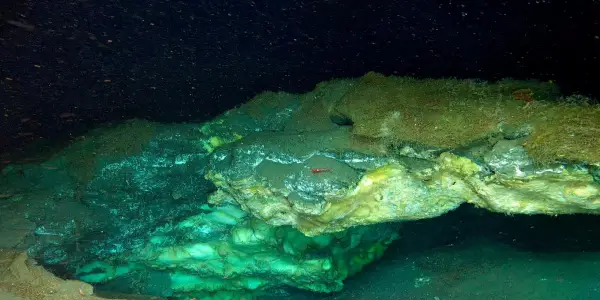
New research uncovers vibrant deep-sea ecosystems supported by dynamic mounds of methane, revealing their significance as habitats for specialized marine life.
In-depth analysis
Natural phenomena
The Freya mounds, located over 3,600 meters beneath the Arctic Ocean, are remarkable geological formations composed of crystallized methane. These 'frozen reefs' serve as dynamic habitats for unique deep-sea organisms that thrive in extreme conditions, relying on chemical reactions for energy rather than sunlight. Their continuous cycle of collapse and regeneration reveals the intricate processes shaping these ecosystems.
Impact on communities
Local communities may face significant repercussions from potential deep-sea mining activities near the Freya mounds. The delicate balance of these ecosystems is crucial not only for marine biodiversity but also for the livelihoods of those who depend on healthy ocean environments.
Scientific updates
Recent research published in Nature Communications highlights the Freya mounds as the deepest known methane structures, challenging previous assumptions about life in extreme depths. The study reveals a complex interaction between chemosynthetic organisms and their geological surroundings, suggesting deeper connectivity with other marine ecosystems, such as hydrothermal vents.
Future outlook
As exploration of the Arctic intensifies, the findings about the Freya mounds underscore the urgent need for conservation measures. Protecting these unique habitats will be essential to maintaining ecological balance and guiding future marine resource management policies.
Did you know?
Why this matters for our planet
The Freya mounds are more than just geological formations; they are critical ecosystems that support unique marine life, influencing the health of our oceans. As climate change intensifies, understanding these habitats is crucial, as they may play a role in carbon cycling and mitigating greenhouse gas emissions. Protecting such ecosystems can help preserve biodiversity and maintain the balance of life in our oceans, directly impacting global environmental health.
Earth's undiscovered wonder
The Freya mounds are home to chemosynthetic organisms that thrive without sunlight, living off chemical reactions instead. This adaptation showcases life’s resilience in extreme conditions, revealing ecosystems that are unlike anything found in shallower waters, where sunlight drives most marine food chains.
The voice of Earth
Marcus, 34, from Chicago, never imagined his passion for marine biology would connect him to the Arctic's depths. After reading about the Freya mounds, he felt an urgent call to action. During a summer internship, he participated in a virtual expedition, witnessing the vibrant life forms that exist in darkness. The realization that these unique ecosystems could be threatened by industrial activities struck a deep chord within him. Marcus now advocates for ocean conservation, sharing the story of the Freya mounds in schools, hoping to inspire others to protect these fragile wonders.
Exploring Sustainable Approaches to Deep-Sea...

US Government to Halt SNAP Benefits Amid Ongoing...

FX Confirms Season 2 Renewal for 'Alien: Earth'

Portable Libraries: A Lifeline When Internet...
China's Astronauts Return Safely, but Another...
Innovative Use of Underwater Speakers Aims to...

Exploring the Conclusion of 'Predator: Badlands'
NASA's Mars Sample Return Mission Faces...
Blue Origin's New Glenn Rocket Set to Launch...
Protests Erupt at COP30 Climate Summit in Belém
Intense Solar Activity: Sunspot Region Produces...
Natural History Museums: Essential Partners in...
Upcoming Venus Missions Set to Explore Earth's...
Abrams Studios Announces New Sci-Fi Exploration...
Geomagnetic Storm Forces Delay of Blue Origin's...
Exploring Iterative Creativity: Pelicans on...

Indigenous Activists Challenge COP30's Rainforest...

Aging Stars Pose Threat to Nearby Planets, New...

Post-Artemis 2: What Insights Will Scientists...
Insights into Lithospheric Dynamics from Turkana...
Sun Emits Second-Strongest Flare of 2025, Causing...

VTN Architects Completes Nuoc Ui School in...

China's Meng Xiang Ship Aims for Record-Setting...
Jupiter's Rapid Spin Influences Water...
James Webb Space Telescope Reveals First 3D...
November's Full Supermoon: A Celestial Event to...

Turkey Declines Rare Earth Element Sales to the...
Blue Origin's New Glenn Rocket Successfully Lands...

Steven Spielberg Steps Back from Sci-Fi Series...

Exploring Sustainable Methods for Rare Earth...
Mars Express Reveals Evidence of Ancient Ice Age...
Understanding the Formation of Tectonic Plates
New Research Suggests Water Could Form During...
New Research Sheds Light on Jet Streams of Gas...

Google Launches WeatherNext 2: Enhanced AI...

Apple Offers Support Following Fire in Hong Kong
Innovative Technique Utilizes Dragonberry Weed to...

Exploring the Nature of Intelligence: Insights...