Post-Artemis 2: What Insights Will Scientists Gain from NASA's Latest Mission?

NASA's Artemis 2 mission has yielded critical data that will enhance our understanding of space travel and human health in extraterrestrial environments.
In-depth analysis
Natural phenomena
The Artemis 2 mission has provided unprecedented opportunities for studying the Moon's geology through human observation. Astronauts captured images and data from the Moon's far side, revealing features not easily detectable by remote sensing. This blend of human insight and advanced technology is expected to deepen understanding of the Moon's geological history and formation processes.
Impact on communities
The Artemis 2 mission has potential implications for various communities, particularly in the fields of health and space exploration. Insights gained from astronaut health studies may lead to advancements in medical treatments applicable on Earth, benefiting broader populations.
Scientific updates
The Artemis 2 mission has generated a wealth of data, particularly through initiatives like AVATAR, which examines the health effects of microgravity and radiation on astronauts. Additionally, NASA's Standard Measures study continues to monitor physiological adaptations, enhancing knowledge on human resilience in space.
Future outlook
The findings from Artemis 2 are poised to influence future missions significantly, particularly Artemis 3, which aims to land astronauts on the Moon. The insights gained will be crucial for developing safety protocols and sustaining human presence in space, including potential Mars missions.
Did you know?
Why this matters for our planet
The Artemis 2 mission is a pivotal leap for both space exploration and Earthly benefits. By studying the health impacts of microgravity, researchers can develop safer protocols for astronauts, ultimately enhancing human health on Earth. Insights from tissue chips may lead to breakthroughs in medical treatments, improving lives and guiding future missions that aim to explore our solar system and beyond.
Earth's undiscovered wonder
The Moon's far side, long shrouded in mystery, features a unique terrain known as the 'South Pole-Aitken Basin,' which is over 2,500 kilometers wide and one of the largest impact craters in the solar system. This area provides clues about the Moon’s geological history, making it a prime target for future exploration and study.
The voice of Earth
Marcus, 34, from Chicago, has always been fascinated by the stars. Growing up, he spent nights gazing through a telescope, dreaming of what lay beyond the horizon. After learning about the Artemis 2 mission, he felt a deep connection to the astronauts. When he saw the stunning images they captured of the Moon, he realized this exploration wasn't just about science; it was about uniting humanity in curiosity and wonder. Inspired, Marcus volunteers with local science programs, hoping to ignite that same passion in children. For him, the mission is a reminder that the pursuit of knowledge knows no bounds, and it can spark dreams that reach far beyond our planet.
Expert Commentary
Mars Express Reveals Evidence of Ancient Ice Age...
Innovative Use of Underwater Speakers Aims to...

Notable Aquatic Highlights from the 2025 Nature's...

US Government to Halt SNAP Benefits Amid Ongoing...
Reassessing the Impact of Farmed Seafood on Ocean...

Innovative Precast Rammed Earth Tennis Court...
Upcoming Venus Missions Set to Explore Earth's...
Damage Assessment Underway in Northern Australia...
Sun Emits Second-Strongest Flare of 2025, Causing...
New Technique Unveils Natural Clock in Dinosaur...

Exploring the Conclusion of 'Predator: Badlands'

Tennessee's Nature-Based Solutions for Health and...
Innovative Gel Shows Promise in Regenerating...
Understanding Artificial Reefs: A Solution for...

The Earth’s Value: An Exploration of Its...

Steven Spielberg Steps Back from Sci-Fi Series...
New Insights from the Butterfly Nebula May...
Breakthrough in Microscopy Sheds Light on Ocean's...
Embracing the Light: A Reflection on Our...

Natural History Museums: Essential Partners in...
The Challenges of Sending a Supervillain into the...
Significant Geomagnetic Storm Unleashes Auroras...
Moss Survives 9 Months in Space and Thrives After...
SpaceX to Launch Over 100 Satellites Today on...

Newly Discovered Snake Species Named After Steve...
Supercomputers Analyze Enceladus's Plume Dynamics
Exploring Sustainable Methods for Rare Earth...
American Museum of Natural History Launches...
New Fossil Discovery Alters Understanding of...

Catherine O’Hara, Iconic Actress from...
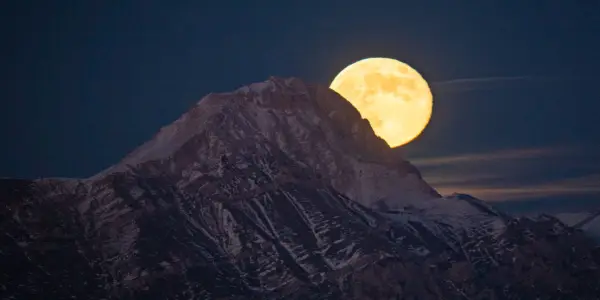
November's Full Supermoon: A Celestial Event to...
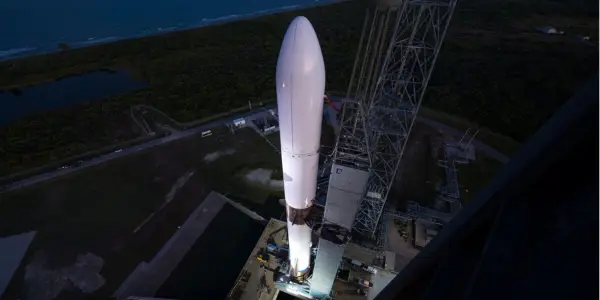
Geomagnetic Storm Forces Delay of Blue Origin's...
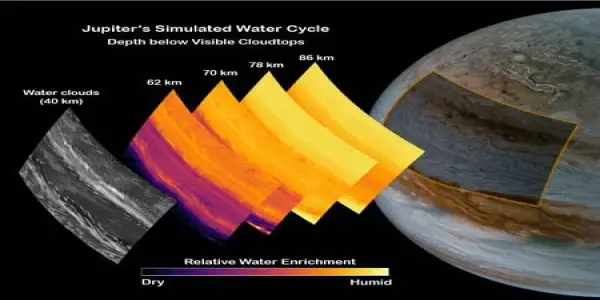
Jupiter's Rapid Spin Influences Water...

UK Churches Embrace Heat Pumps for Sustainable...
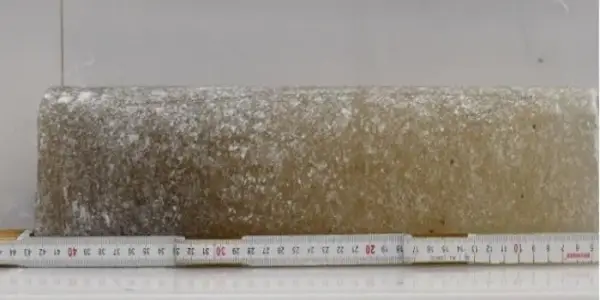
Ancient Air Trapped in 6-Million-Year-Old...
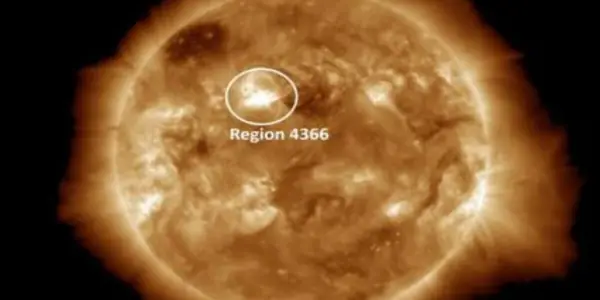
Intense Solar Activity: Sunspot Region Produces...
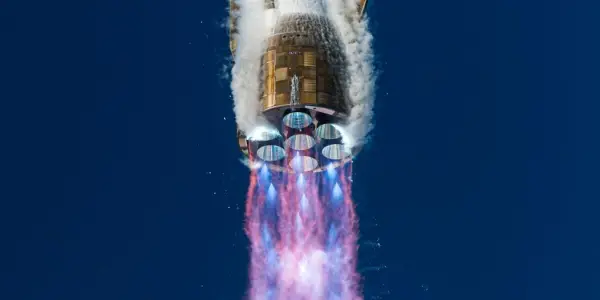
New Glenn Rocket Completes Successful Test...

Rammed Earth Homes of 2026 Showcase Sustainable...
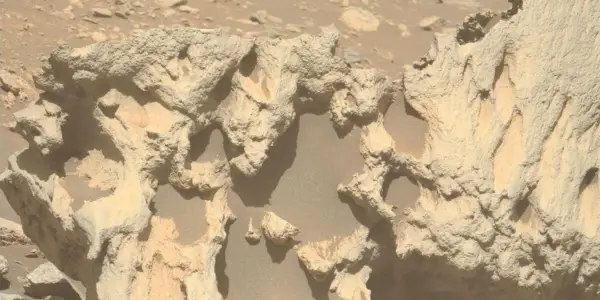
Perseverance Rover Discovers Unusual Rock Near...
Abrams Studios Announces New Sci-Fi Exploration...