SpaceX Plans to Establish Its Own Natural Gas Pipeline for Starship Operations

SpaceX aims to build a natural gas pipeline to enhance fuel supply for Starship, moving towards complete control of its supply chain.
In-depth analysis
Natural phenomena
The proposed Starpipe pipeline represents a significant engineering endeavor, extending eight miles to SpaceX's Starbase facility in Texas. This infrastructure will facilitate the extraction and liquefaction of natural gas, a critical resource for the Starship program. The ability to harness local natural gas resources underscores the intersection of technology and environmental management in modern aerospace initiatives.
Impact on communities
The construction of the Starpipe pipeline is expected to create jobs and stimulate local economies in Texas. As SpaceX integrates its supply chain, surrounding communities may benefit from increased economic activity and potential investments in infrastructure.
Scientific updates
The Federal Aviation Administration's approval for an increased number of Starship launches signifies a pivotal moment for SpaceX, allowing up to 100 missions annually. This regulatory support complements the company’s advancements in fuel processing and launch capabilities, enhancing its operational framework for future space exploration.
Future outlook
With the Starpipe pipeline and liquefaction facility set to become operational soon, SpaceX aims to streamline its fuel supply chain. This strategic initiative positions the company to expand its launch frequency significantly, reinforcing its leadership in the aerospace sector.
Did you know?
Why this matters for our planet
The development of SpaceX's Starpipe pipeline could redefine how we source energy for space exploration. By tapping into natural gas, it not only streamlines fuel production for launches but also reduces carbon emissions compared to traditional fuels. As clean energy innovations become vital, this initiative may influence how other industries approach sustainability, potentially impacting everything from local air quality to global climate efforts.
Earth's undiscovered wonder
Did you know that natural gas is primarily composed of methane, a potent greenhouse gas? While it’s often seen as a cleaner alternative to coal, if released unburned, it can trap heat in the atmosphere up to 84 times more effectively than carbon dioxide over a 20-year period, making its management crucial for environmental health.
The voice of Earth
Marcus, 34, from Chicago, has always been fascinated by space. Growing up, he would spend nights stargazing with his father, imagining what lay beyond the stars. Now, as an engineer working on sustainable energy solutions, he feels a deep connection to SpaceX's pipeline project. For him, the promise of cleaner fuel aligns with his childhood dreams. He believes that reducing our carbon footprint is part of a greater responsibility to preserve the Earth for future generations, merging his passion for exploration with a commitment to sustainability.
Expert Commentary

VTN Architects Completes Nuoc Ui School in...

The Impact of the Three Gorges Dam on Earth's...
China's Astronauts Return Safely, but Another...

Innovative Gel Shows Promise in Regenerating...

Rising Frustration in Aceh as Flood Relief...
Young Star V1298 Tau Sheds Light on Planet...
Intense Solar Activity: Sunspot Region Produces...

US Government to Halt SNAP Benefits Amid Ongoing...
Understanding Artificial Reefs: A Solution for...
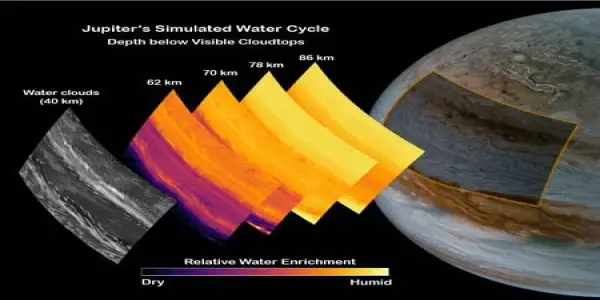
Jupiter's Rapid Spin Influences Water...
Significant Solar Activity Forecasted to Cause...


American Museum of Natural History Launches...
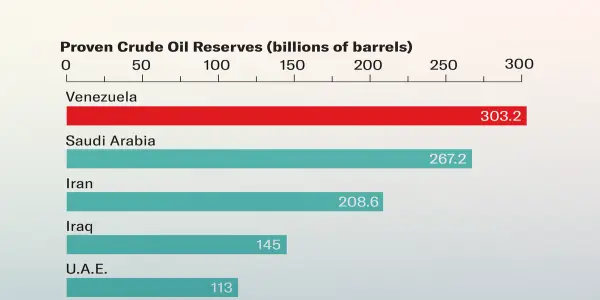
The Allure of Venezuela's Oil Reserves: Analyzing...

Exploring the Depths of Nature: Boyd Varty's...


Apple Offers Support Following Fire in Hong Kong

Indigenous Activists Challenge COP30's Rainforest...
Reassessing Economic Growth: Valuing Natural...
Geomagnetic Storm Forces Delay of Blue Origin's...

Exploring the Conclusion of 'Predator: Badlands'
Damage Assessment Underway in Northern Australia...
Exploring Sustainable Approaches to Deep-Sea...

Exploring the Nature of Intelligence: Insights...

Rammed Earth Homes of 2026 Showcase Sustainable...

New Technique Unveils Natural Clock in Dinosaur...
New Study Reveals Microbes Colonizing Freshly...

Innovative Engine Harnesses Deep Space Energy for...

Newly Discovered Snake Species Named After Steve...

Steven Spielberg Steps Back from Sci-Fi Series...

WhatsApp Security Vulnerability Exposes 3.5...

Putin Initiates Strategic Plan for Russia's Rare...

New Ice Age Episodes of Prehistoric Planet Now...

Pacific Northwest's Subduction Zone Revealed to...
Study Reveals Fast Healing of Deep Earthquake...

Reassessing the Impact of Farmed Seafood on Ocean...
Insights into Lithospheric Dynamics from Turkana...

First Mosquito Sightings in Iceland Linked to...

Post-Artemis 2: What Insights Will Scientists...

Exocomets Detected Around Distant Stars