First Mosquito Sightings in Iceland Linked to Climate Change
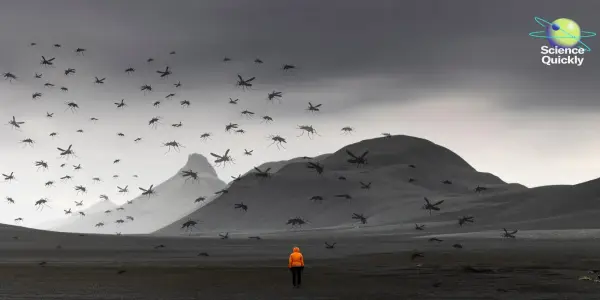
Mosquitoes have been spotted in Iceland for the first time, highlighting the alarming impact of climate change on the island's unique environment. Discover m...
In-depth analysis
Natural phenomena
The recent identification of mosquitoes in Iceland marks a significant shift in the island's ecological landscape, traditionally defined by its harsh climate. This change is attributed to rising temperatures that are altering the environmental conditions, allowing these insects to thrive in a region once deemed inhospitable. The phenomenon highlights the broader implications of climate change on unique ecosystems.
Impact on communities
The emergence of mosquitoes poses potential risks for local communities, including the introduction of new diseases and disruptions in established ecological interactions. This shift could challenge public health and local biodiversity, necessitating increased awareness and adaptive strategies.
Scientific updates
Recent findings confirm that the Arctic is warming nearly four times faster than the global average, raising alarm among scientists about its impact on biodiversity. Studies emphasize the interconnectedness of climate change with ecological health, urging further research into the consequences of these rapid environmental shifts.
Future outlook
As climate change continues to reshape ecosystems, the presence of mosquitoes in Iceland underscores the urgent need for adaptive management strategies. Ongoing monitoring and research will be essential to mitigate the potential health risks and ecological disruptions that may arise from these unprecedented changes.
Did you know?
Why this matters for our planet
The appearance of mosquitoes in Iceland signifies a dramatic shift in the island's ecosystem, highlighting the tangible effects of climate change on our environment. As temperatures rise, insects known for spreading diseases could thrive in new regions, impacting local wildlife and human health. This transformation can disrupt food chains and alter agricultural practices, directly affecting the livelihoods of those who depend on these ecosystems.
Earth's undiscovered wonder
Iceland's harsh climate has historically kept mosquitoes at bay, but they are not the only species challenged by changing temperatures. Recently, researchers discovered that some Arctic marine life, like the icefish, can survive in waters as cold as -2°C, showcasing nature's resilience. However, as waters warm, these adaptations may be tested like never before.
The voice of Earth
Marcus, 34, from Chicago, always dreamed of visiting Iceland, lured by its pristine landscapes and unique wildlife. When he heard about the first mosquitoes appearing on the island, he felt an unsettling mix of sadness and concern. During his last trip, he marveled at the untouched beauty, but now he worries that future visitors may face swarms of pests instead. For Marcus, this change isn't just about insects; it symbolizes a loss of the pristine paradise he cherished, a stark reminder that climate change is reshaping not only landscapes but also the experiences that connect us to nature.

Reassessing Economic Growth: Valuing Natural...
James Webb Space Telescope Reveals First 3D...
NASA's Mars Sample Return Mission Faces...
Jupiter's Rapid Spin Influences Water...

The Impact of the Three Gorges Dam on Earth's...

Catherine O’Hara, Iconic Actress from...
New Study Reveals Microbes Colonizing Freshly...
New Fossil Discovery Alters Understanding of...
Intaaya Retreat in Indonesia Features Innovative...

New Research Suggests Water Could Form During...

Exploring Key Questions Raised by ‘Avatar: Fire...
Understanding Artificial Reefs: A Solution for...
The Challenges of Sending a Supervillain into the...

Top Organic Mattresses of 2025: Birch, Avocado,...

Geomagnetic Storm Forces Delay of Blue Origin's...
Upcoming Venus Missions Set to Explore Earth's...

The Allure of Venezuela's Oil Reserves: Analyzing...

US Government to Halt SNAP Benefits Amid Ongoing...
Perseverance Rover Discovers Unusual Rock Near...
November's Full Supermoon: A Celestial Event to...
The Earth’s Value: An Exploration of Its...
Natural History Museums: Essential Partners in...

Rammed Earth Homes of 2026 Showcase Sustainable...

HEO Robotics Expands Satellite Imaging...

VTN Architects Completes Nuoc Ui School in...

Exploring the Depths of Nature: Boyd Varty's...
Exploring Sustainable Approaches to Deep-Sea...
Breakthrough in Microscopy Sheds Light on Ocean's...
Notable Aquatic Highlights from the 2025 Nature's...

Innovative Gel Shows Promise in Regenerating...

Steven Spielberg Steps Back from Sci-Fi Series...

Exploring the Nature of Intelligence: Insights...

SpaceX to Launch Over 100 Satellites Today on...

New Research Sheds Light on Jet Streams of Gas...

Johnny Keefer's Ascent Raises Questions About...
Asteroid Impact in Finland Reveals Ancient...

Ancient Australian Rocks Provide Insights into...
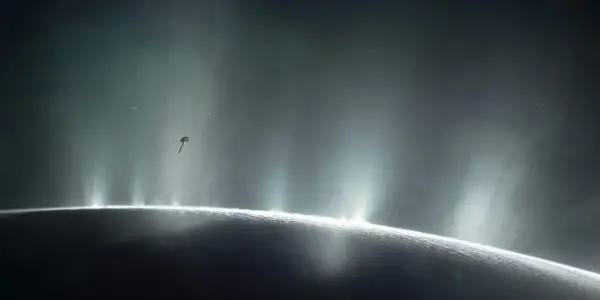
Supercomputers Analyze Enceladus's Plume Dynamics