Rammed Earth Homes of 2026 Showcase Sustainable Architecture's Future
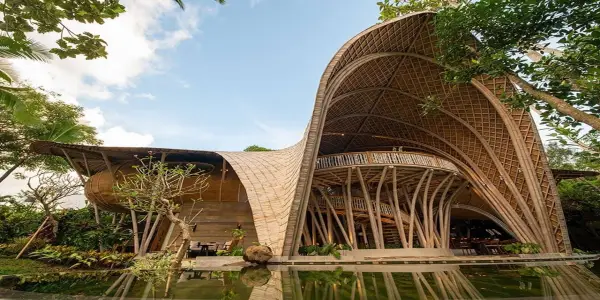
Explore the rise of rammed earth homes in 2026, showcasing sustainable architecture with low carbon footprints and a commitment to environmental stewardship.
In-depth analysis
Natural phenomena
The resurgence of rammed earth construction highlights a significant shift in building practices, emphasizing sustainable materials that utilize local subsoil. This method minimizes energy consumption by avoiding traditional high-energy processes, showcasing a natural approach to construction that aligns with ecological values. Its unique thermal properties further enhance energy efficiency, establishing a new paradigm in architectural design.
Impact on communities
Rammed earth projects like the Piracaia Eco-Village foster community resilience by promoting eco-friendly living. These developments not only utilize local resources but also inspire a collective commitment to sustainable practices among residents.
Scientific updates
Recent advancements in rammed earth construction demonstrate its potential to significantly reduce carbon emissions. Techniques such as 3D printing with natural materials are being explored, highlighting the integration of ancient methods with modern technology to enhance structural performance and aesthetic appeal.
Future outlook
As the demand for sustainable architecture grows, rammed earth construction is poised to play a pivotal role in future building practices. Its ability to combine resilience, aesthetic value, and environmental benefits positions it as a cornerstone of eco-conscious development.
Did you know?
Why this matters for our planet
Shifting to rammed earth construction can significantly reduce carbon emissions in the building sector, which is a major contributor to climate change. By utilizing local soil and minimizing energy-intensive processes, this method not only lowers embodied energy but also fosters community engagement. As more homeowners embrace these sustainable practices, everyday buildings can transform into eco-friendly spaces that contribute to a healthier planet.
Earth's undiscovered wonder
Rammed earth construction has been used for thousands of years, yet many are surprised to learn that ancient structures, like the Great Wall of China, incorporated similar techniques. This enduring method highlights the timeless relationship between architecture and the natural environment, proving that sustainable building practices have deep roots.
The voice of Earth
Marcus, 34, from Chicago, recently completed his dream home using rammed earth techniques after years of searching for sustainable options. The moment he stepped inside, he felt an overwhelming connection to the earth beneath his feet. Each wall, shaped from the soil of his own backyard, told a story of resilience and care. Marcus recalls, 'It felt like living in a piece of nature, not just a house. Every day, I’m reminded of my commitment to the planet, and it brings me peace.' His home, with its natural thermal regulation, has not only reduced his energy bills but also deepened his appreciation for the environment.
Expert Commentary

Ancient Australian Rocks Provide Insights into...

Blue Origin's New Glenn Rocket Successfully Lands...

Innovative Technique Utilizes Dragonberry Weed to...

The Challenges of Sending a Supervillain into the...

Rising Frustration in Aceh as Flood Relief...

Exocomets Detected Around Distant Stars

Johnny Keefer's Ascent Raises Questions About...
Perseverance Rover Discovers Unusual Rock Near...

Damage Assessment Underway in Northern Australia...

Innovative Gel Shows Promise in Regenerating...
New Research Suggests Water Could Form During...

Young Star V1298 Tau Sheds Light on Planet...

US Government to Halt SNAP Benefits Amid Ongoing...
Innovative Use of Underwater Speakers Aims to...
Study Reveals Fast Healing of Deep Earthquake...

Significant Solar Activity Forecasted to Cause...

Top Organic Mattresses of 2025: Birch, Avocado,...
New Technique Unveils Natural Clock in Dinosaur...
New Glenn Rocket Completes Successful Test...

Indigenous Activists Challenge COP30's Rainforest...
Understanding Artificial Reefs: A Solution for...
Moss Survives 9 Months in Space and Thrives After...

Steven Spielberg Steps Back from Sci-Fi Series...
Intaaya Retreat in Indonesia Features Innovative...
Exploring Sustainable Methods for Rare Earth...

Exploring the Conclusion of 'Predator: Badlands'

Newly Discovered Snake Species Named After Steve...

New Ice Age Episodes of Prehistoric Planet Now...
American Museum of Natural History Launches...

Natural History Museums: Essential Partners in...

SpaceX to Launch Over 100 Satellites Today on...
James Webb Space Telescope Reveals First 3D...

Apple Offers Support Following Fire in Hong Kong
Mars Express Reveals Evidence of Ancient Ice Age...
Abrams Studios Announces New Sci-Fi Exploration...
Reassessing Economic Growth: Valuing Natural...
Geomagnetic Storm Forces Delay of Blue Origin's...
Ancient Lakes on Mars: New Research Unveils Ice...
VTN Architects Completes Nuoc Ui School in...

Protests Erupt at COP30 Climate Summit in Belém