Discovery of the Deepest Arctic Vent Reveals Rich Marine Life
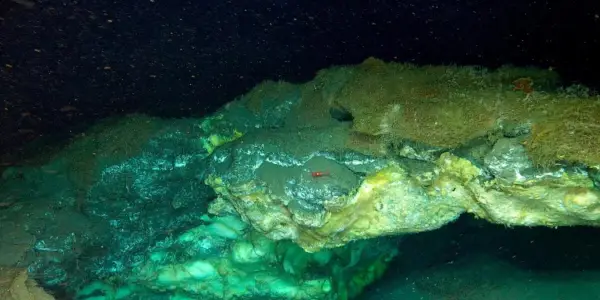
Scientists have discovered the deepest Arctic cold vent, the Freya Mounds, at 6,000 feet, revealing a surprising abundance of marine life and methane gas fla...
In-depth analysis
Natural phenomena
The Freya Mounds, located approximately 6,000 feet beneath the Arctic waters, represent the deepest recorded cold vent, characterized by high pressure that leads to the crystallization of water and gas molecules. This geological formation is marked by an unprecedented methane gas flare, highlighting its unique environmental conditions and rich biodiversity.
Impact on communities
The discovery of the Freya Mounds may influence local communities reliant on marine resources, as it underscores the importance of preserving unique ecosystems in the Arctic, which are increasingly threatened by climate change.
Scientific updates
Recent research has revealed that the Freya Mounds challenge conventional understandings of cold vents, showcasing a dynamic geological system that supports diverse marine life. The analysis of sediment dating back to the Miocene epoch further enriches the context of this unique environment.
Future outlook
As research on the Freya Mounds progresses, it is expected to provide critical insights into the resilience of Arctic ecosystems. Continued exploration will be essential for understanding the impacts of climate change on these deep-sea habitats.
Did you know?
Why this matters for our planet
The discovery of the Freya Mounds at such depths highlights the resilience of marine ecosystems in extreme conditions. Understanding these cold vents is crucial as they play a significant role in carbon cycling, impacting global climate patterns. For communities relying on healthy oceans for food and livelihood, protecting these unique habitats is vital in the face of climate change and pollution.
Earth's undiscovered wonder
The Freya Mounds challenge previous assumptions about cold seeps; they exist at depths of around 6,000 feet, where no other cold vent has been recorded. This unique geological formation is home to a diverse range of organisms that thrive without sunlight, revealing the complexity of life in the deep sea and its potential to offer insights into ancient ecosystems.
The voice of Earth
Marcus, 34, from Chicago, always felt a pull towards the ocean, despite living miles away. Growing up, he spent summers by the Great Lakes, captivated by the diversity of life beneath the surface. When he learned about the Freya Mounds discovery, he was struck by the resilience of marine ecosystems in extreme conditions. He often volunteers for ocean conservation efforts, believing that every small action counts. For him, this discovery isn't just about science; it represents a chance to protect the fragile connections between life and the planet, reinforcing his commitment to safeguard the oceans for future generations.
HEO Robotics Expands Satellite Imaging...
Perseverance Rover Discovers Unusual Rock Near...

Reassessing Economic Growth: Valuing Natural...
New Research Sheds Light on Jet Streams of Gas...
Mars Express Reveals Evidence of Ancient Ice Age...
Embracing the Light: A Reflection on Our...

WhatsApp Security Vulnerability Exposes 3.5...
Aging Stars Pose Threat to Nearby Planets, New...
Innovative Engine Harnesses Deep Space Energy for...

Johnny Keefer's Ascent Raises Questions About...
Insights into Lithospheric Dynamics from Turkana...
Damage Assessment Underway in Northern Australia...
Innovative Architectural Designs Inspired by...

Tennessee's Nature-Based Solutions for Health and...

Exploring Sustainable Methods for Rare Earth...

UK Churches Embrace Heat Pumps for Sustainable...

Exploring the Conclusion of 'Predator: Badlands'
Sun Emits Second-Strongest Flare of 2025, Causing...
Sun Unleashes Spectacular Solar Flare Amid...
Study Reveals Fast Healing of Deep Earthquake...

Indigenous Activists Challenge COP30's Rainforest...

Protests Erupt at COP30 Climate Summit in Belém
Ancient Australian Rocks Provide Insights into...
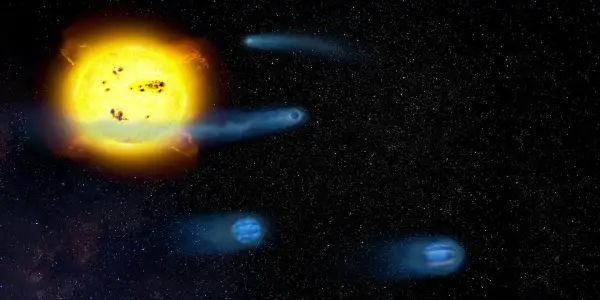
Young Star V1298 Tau Sheds Light on Planet...

The Intersection of AI Development and Natural...
American Museum of Natural History Launches...
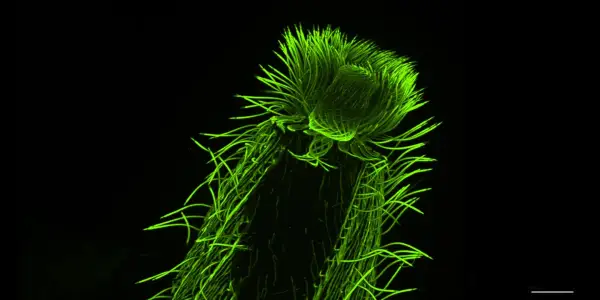
Breakthrough in Microscopy Sheds Light on Ocean's...
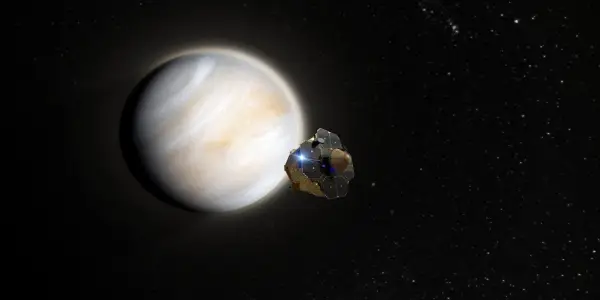
Upcoming Venus Missions Set to Explore Earth's...
James Webb Space Telescope Reveals First 3D...
Geomagnetic Storm Forces Delay of Blue Origin's...

The Impact of the Three Gorges Dam on Earth's...
November's Full Supermoon: A Celestial Event to...

Innovative Precast Rammed Earth Tennis Court...

US Government to Halt SNAP Benefits Amid Ongoing...
Innovative Use of Underwater Speakers Aims to...

Post-Artemis 2: What Insights Will Scientists...
Ancient Lakes on Mars: New Research Unveils Ice...

US Greenhouse Gas Emissions Increase Amid Cold...