New Study Challenges Assumptions About Neanderthal Diversity and Extinction
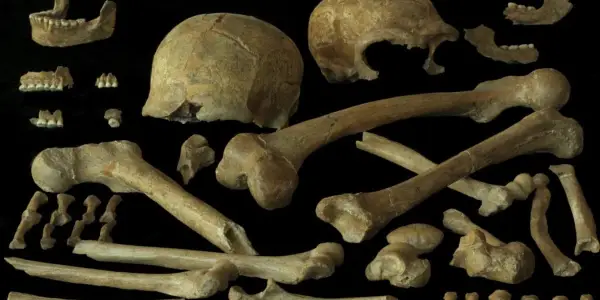
Recent DNA analysis reveals Neanderthals were more diverse and interconnected than previously thought, reshaping our understanding of their extinction.
In-depth analysis
Natural phenomena
Recent research has revealed that late Neanderthals in northwestern Europe were part of a connected regional population rather than isolated groups. This new perspective highlights the genetic diversity and social structures of Neanderthals, challenging previous assumptions about their extinction and suggesting a more complex interaction with their environment and other species.
Impact on communities
The findings from this study may reshape how communities perceive their ancestral ties to Neanderthals. By illustrating a more interconnected social structure, it fosters a deeper understanding of human evolution and our shared genetic heritage.
Scientific updates
The study, led by Alba Bossoms Mesa, utilized advanced mitochondrial DNA analysis from ten archaeological sites, producing the fifth high-quality Neanderthal genome. This significant advancement enables more thorough population analyses, revealing intricate details about Neanderthal variation and connectivity that were previously overlooked.
Future outlook
As paleoanthropology progresses, these insights encourage ongoing research into Neanderthal social dynamics and their interactions with early modern humans. Future studies may further unravel the complexities of human evolution and challenge existing narratives surrounding Neanderthal extinction.
Did you know?
Why this matters for our planet
Understanding Neanderthals' genetic diversity and social networks sheds light on human evolution and resilience. This knowledge influences conservation efforts today, as studying how ancient populations adapted to environmental changes can inform current strategies for biodiversity preservation. Recognizing the interconnectedness of species underscores the importance of protecting ecosystems vital for our planet's health.
Earth's undiscovered wonder
Neanderthals' mitochondrial DNA reveals a genetic diversity comparable to that of modern humans. This finding indicates that they were not simply isolated groups but rather part of a complex social structure, challenging long-held assumptions about their communities and interactions.
The voice of Earth
Marcus, 34, from Chicago, often reflects on his family’s roots in Europe, particularly an ancestral link to Belgium. When he learned about the Neanderthal study, he felt a profound connection to those ancient people who walked the same lands. Inspired, he began tracing his family tree, discovering not just names but the rich tapestry of lives intertwined with the past. Marcus now volunteers for local archaeological digs, eager to contribute to an understanding of human history, feeling that every discovery helps bring his ancestors' stories to life.
Expert Commentary
Supercomputers Analyze Enceladus's Plume Dynamics

Geomagnetic Storm Forces Delay of Blue Origin's...

Exploring Iterative Creativity: Pelicans on...
Innovative Gel Shows Promise in Regenerating...
UK Churches Embrace Heat Pumps for Sustainable...

Aging Stars Pose Threat to Nearby Planets, New...
Intaaya Retreat in Indonesia Features Innovative...
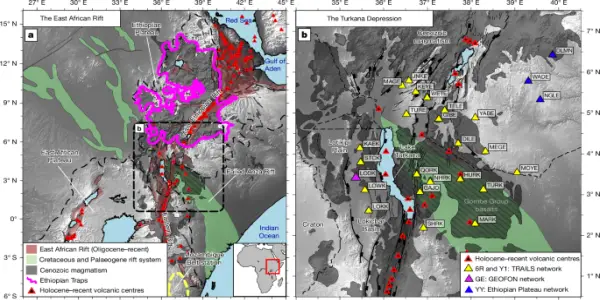
Insights into Lithospheric Dynamics from Turkana...
Time on Mars Outpaces Earth, Unveiling Challenges...
Ancient Crocodile Fossils Unearthed in Australia...

US Government to Halt SNAP Benefits Amid Ongoing...

Significant Geomagnetic Storm Unleashes Auroras...

The Challenges of Sending a Supervillain into the...

Catherine O’Hara, Iconic Actress from...
Ancient Lakes on Mars: New Research Unveils Ice...

Notable Aquatic Highlights from the 2025 Nature's...

Exploring the Nature of Intelligence: Insights...
Reassessing the Impact of Farmed Seafood on Ocean...

Top Organic Mattresses of 2025: Birch, Avocado,...
New Ice Age Episodes of Prehistoric Planet Now...
Steven Spielberg Steps Back from Sci-Fi Series...
Understanding Artificial Reefs: A Solution for...
Innovative Architectural Designs Inspired by...
Innovative Technique Utilizes Dragonberry Weed to...
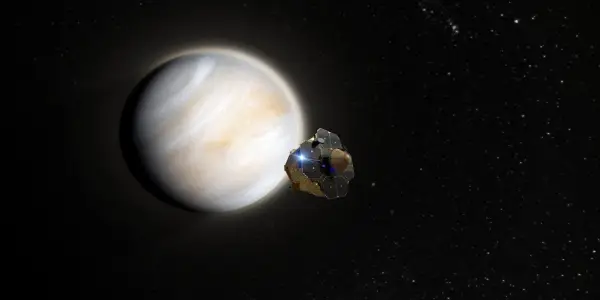
Upcoming Venus Missions Set to Explore Earth's...
Exploring the Depths of Nature: Boyd Varty's...

Johnny Keefer's Ascent Raises Questions About...

New Insights from the Butterfly Nebula May...

Reassessing Economic Growth: Valuing Natural...
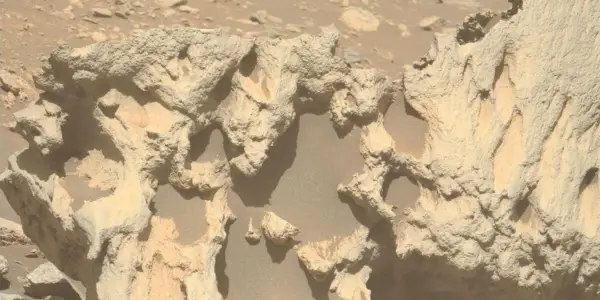
Perseverance Rover Discovers Unusual Rock Near...

New Insights into 'Project Hail Mary' Reveal...
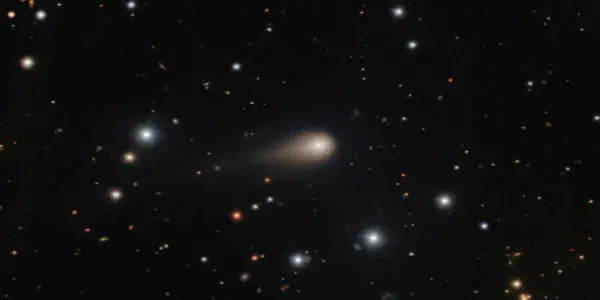
Interstellar Comet 3I/ATLAS Reaches Perihelion,...

Exploring Key Questions Raised by ‘Avatar: Fire...
New Research Suggests Water Could Form During...
Study Reveals Fast Healing of Deep Earthquake...
The Allure of Venezuela's Oil Reserves: Analyzing...
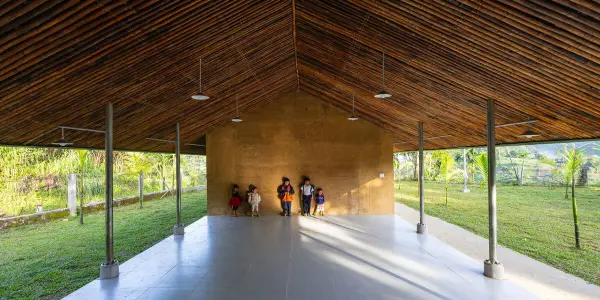
VTN Architects Completes Nuoc Ui School in...
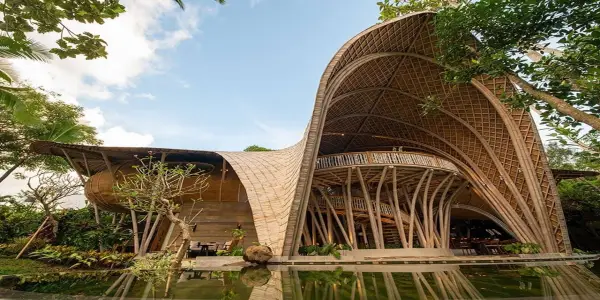
Rammed Earth Homes of 2026 Showcase Sustainable...