New Study Reveals Microbes Colonizing Freshly Solidified Lava Within Hours
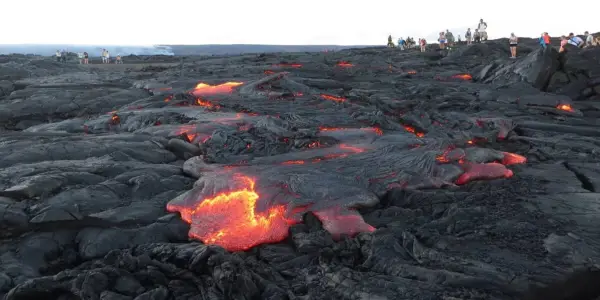
A groundbreaking study highlights the rapid repopulation of microbes in volcanic environments, challenging previous understandings of microbial resilience.
In-depth analysis
Natural phenomena
Recent research highlights the rapid colonization of newly formed volcanic rock by microbial life following eruptions. Observations from the Fagradalsfjall volcano in Iceland reveal that these resilient organisms can establish themselves within hours of lava cooling, despite the harsh conditions of a sterile landscape devoid of water and organic nutrients.
Impact on communities
The findings from this study suggest that microbial colonization can significantly influence ecosystem development in extreme environments, potentially shaping the future of biological communities in volcanic regions and beyond.
Scientific updates
The study, published in Communications Biology, utilized DNA analysis from samples collected during three eruptions to confirm the rapid emergence of microbial populations. Researchers noted that these microbes likely arrived via rainwater and adapted to the challenging conditions of their new habitat.
Future outlook
The implications of this research extend to astrobiology, raising questions about the potential for life on other planets. Similar processes of microbial colonization may occur on Mars, suggesting that volcanic activity could provide habitable conditions for life beyond Earth.
Did you know?
Why this matters for our planet
The rapid colonization of volcanic rock by microbes reveals how life can thrive in extreme conditions, offering hope for ecosystems recovering from disasters. This resilience is crucial for maintaining biodiversity and ecosystem services that support agriculture, clean air, and water. Understanding these processes can help us better manage our planet's health amidst climate change and habitat destruction.
Earth's undiscovered wonder
Microbes can colonize a newly formed volcanic landscape within hours of cooling, demonstrating an unexpected speed of life’s resilience. This rapid succession challenges previous beliefs about how quickly ecosystems can begin to recover after catastrophic events, suggesting that life’s adaptability is even more profound than previously understood.
The voice of Earth
Marcus, 34, from Chicago, felt a deep connection to nature during a trip to Iceland, where he witnessed the aftermath of a volcanic eruption. Standing on the cooled lava, he was awestruck by the barren landscape, yet inspired by the knowledge that life was already taking root beneath his feet. This realization ignited his passion for environmental advocacy, compelling him to educate others about the resilience of life. Each time he shares this story, he emphasizes how we can learn from nature’s ability to rebound, fostering a sense of responsibility to protect our planet for future generations.
Ancient Crocodile Fossils Unearthed in Australia...
Damage Assessment Underway in Northern Australia...

Exploring the Depths of Nature: Boyd Varty's...

Rising Frustration in Aceh as Flood Relief...

WhatsApp Security Vulnerability Exposes 3.5...

New Insights from the Butterfly Nebula May...
Insights into Lithospheric Dynamics from Turkana...
Protests Erupt at COP30 Climate Summit in Belém
The Earth’s Value: An Exploration of Its...
Notable Aquatic Highlights from the 2025 Nature's...

Natural History Museums: Essential Partners in...
Time on Mars Outpaces Earth, Unveiling Challenges...
New Ice Age Episodes of Prehistoric Planet Now...
Upcoming Venus Missions Set to Explore Earth's...
VTN Architects Completes Nuoc Ui School in...
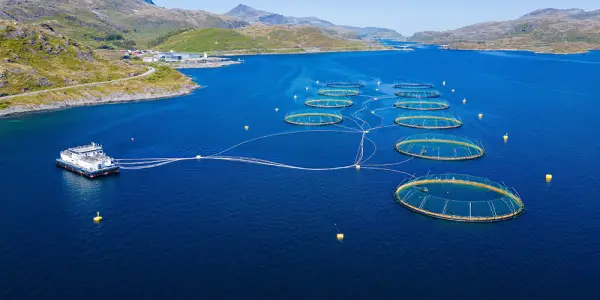
Reassessing the Impact of Farmed Seafood on Ocean...
New Study Reveals Microbes Colonizing Freshly...

Google Launches WeatherNext 2: Enhanced AI...

Exploring Sustainable Methods for Rare Earth...

The Intersection of AI Development and Natural...

Significant Geomagnetic Storm Unleashes Auroras...

Intense Solar Activity: Sunspot Region Produces...
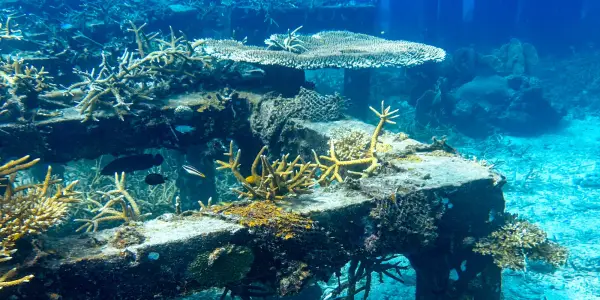
Understanding Artificial Reefs: A Solution for...

Aging Stars Pose Threat to Nearby Planets, New...

Innovative Gel Shows Promise in Regenerating...
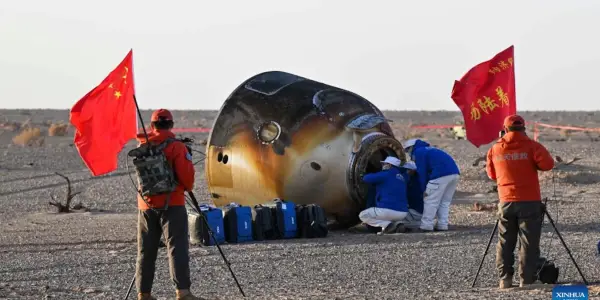
China's Astronauts Return Safely, but Another...
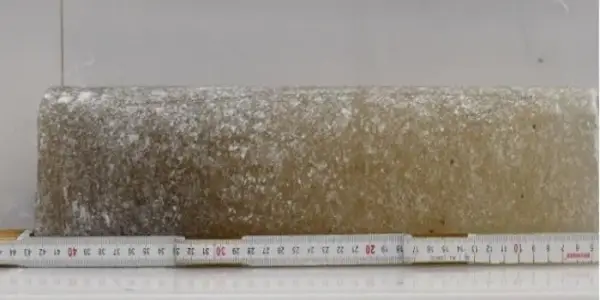
Ancient Air Trapped in 6-Million-Year-Old...

The Impact of the Three Gorges Dam on Earth's...
Innovative Technique Utilizes Dragonberry Weed to...
Significant Solar Activity Forecasted to Cause...

Top Organic Mattresses of 2025: Birch, Avocado,...

Putin Initiates Strategic Plan for Russia's Rare...

Intaaya Retreat in Indonesia Features Innovative...
Reassessing Economic Growth: Valuing Natural...
Innovative Use of Underwater Speakers Aims to...
Breakthrough in Microscopy Sheds Light on Ocean's...

New Research Suggests Water Could Form During...
Understanding the Formation of Tectonic Plates

Apple Offers Support Following Fire in Hong Kong