Google Earth Introduces Experimental Flight Simulator, Adding a New Dimension to Exploration

Google Earth has launched an experimental flight simulator feature, enhancing its web app for casual exploration without competing with Microsoft Flight Simulator.
In-depth analysis
Natural phenomena
The introduction of Google Earth's flight simulator mode allows users to experience a unique perspective of the planet, showcasing natural landscapes and urban environments from an aerial viewpoint. This feature enhances the appreciation of geographical diversity, enabling users to visually explore mountains, rivers, and cities in a way that traditional maps cannot provide.
Impact on communities
This new feature has the potential to foster a sense of connection among users, encouraging exploration and discovery within local and global communities. By making virtual travel more accessible, it may inspire individuals to learn about different cultures and environments.
Scientific updates
The flight simulator mode utilizes Google Earth's extensive database of high-resolution satellite imagery and 3D models, enhancing its educational value. Researchers and educators may leverage this tool to illustrate geographical concepts or engage students in interactive learning experiences, broadening the application of digital exploration.
Future outlook
As casual simulation experiences gain popularity, Google Earth’s flight simulator may pave the way for further innovations in digital exploration. Future updates could expand interactivity, potentially integrating more educational features or gamified elements to enrich user engagement.
Did you know?
Why this matters for our planet
Google Earth's new flight simulator opens up the world like never before, transforming how we connect with our planet. By allowing casual users to virtually explore diverse landscapes and cities, it fosters a sense of wonder and appreciation for our environment. This engagement can inspire more people to advocate for sustainability and conservation efforts, reminding us that every corner of the Earth is worth protecting.
Earth's undiscovered wonder
Did you know that over 80% of the ocean remains unexplored? With Google Earth's flight simulator, users can now visualize coastal regions and oceans, sparking curiosity about the vast, uncharted territories beneath the waves. This feature could inspire a new generation of oceanographers and environmentalists eager to explore and protect our blue planet.
The voice of Earth
Marcus, 34, from Chicago, grew up dreaming of flying. As a child, he would often gaze at the sky, wondering what it would be like to explore the world from above. When he discovered Google Earth's flight simulator, it reignited that childhood passion. Now, he spends weekends soaring over the Grand Canyon and the Eiffel Tower, feeling a connection to places he's always wanted to visit. For Marcus, this isn’t just a game; it's a way to travel the world without leaving home, deepening his appreciation for its beauty and diversity.
Expert Commentary
Reassessing the Impact of Farmed Seafood on Ocean...

Apple Offers Support Following Fire in Hong Kong
New Fossil Discovery Alters Understanding of...

WhatsApp Security Vulnerability Exposes 3.5...

Exploring the Depths of Nature: Boyd Varty's...
Ancient Lakes on Mars: New Research Unveils Ice...

Ancient Air Trapped in 6-Million-Year-Old...

Ancient Australian Rocks Provide Insights into...
SpaceX to Launch Over 100 Satellites Today on...

Reassessing Economic Growth: Valuing Natural...

Supercomputers Analyze Enceladus's Plume Dynamics

US Greenhouse Gas Emissions Increase Amid Cold...
Time on Mars Outpaces Earth, Unveiling Challenges...

Exploring Iterative Creativity: Pelicans on...
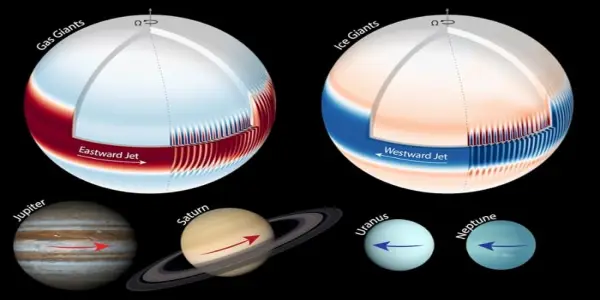
New Research Sheds Light on Jet Streams of Gas...

New Technique Unveils Natural Clock in Dinosaur...

New Insights into 'Project Hail Mary' Reveal...

Newly Discovered Snake Species Named After Steve...
Understanding Artificial Reefs: A Solution for...

FX Confirms Season 2 Renewal for 'Alien: Earth'

November's Full Supermoon: A Celestial Event to...

Protests Erupt at COP30 Climate Summit in Belém
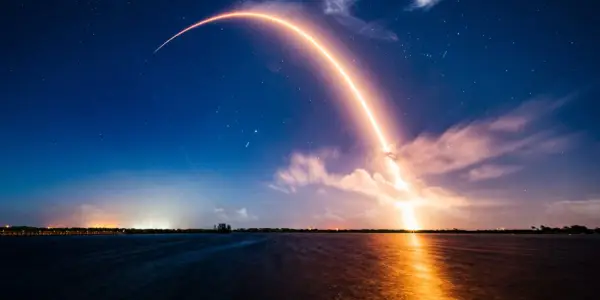
The Challenges of Sending a Supervillain into the...

Putin Initiates Strategic Plan for Russia's Rare...
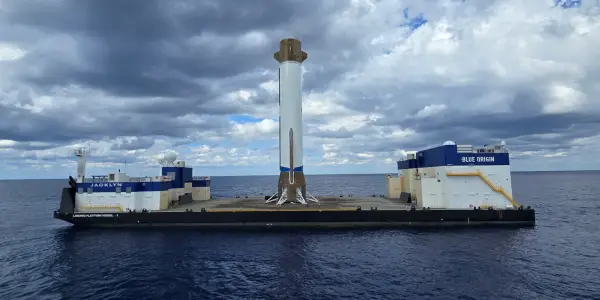
Blue Origin's New Glenn Rocket Successfully Lands...
Exploring Sustainable Methods for Rare Earth...
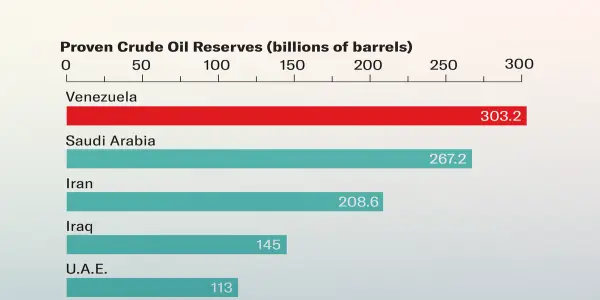
The Allure of Venezuela's Oil Reserves: Analyzing...
Damage Assessment Underway in Northern Australia...

Johnny Keefer's Ascent Raises Questions About...

Artemis II Sparks Renewed Interest in Lunar...

Moss Survives 9 Months in Space and Thrives After...

UK Churches Embrace Heat Pumps for Sustainable...

Google Enhances Weather Forecasting with...
Study Reveals Fast Healing of Deep Earthquake...

The Impact of the Three Gorges Dam on Earth's...

Exploring the Nature of Intelligence: Insights...
Pacific Northwest's Subduction Zone Revealed to...

Google Launches WeatherNext 2: Enhanced AI...
Exploring Sustainable Approaches to Deep-Sea...