Pacific Northwest's Subduction Zone Revealed to be Actively Fragmenting
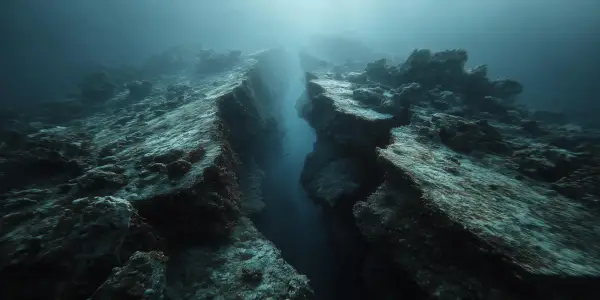
In a groundbreaking study, researchers have observed the Juan de Fuca and Explorer plates in the Pacific Northwest's subduction zone breaking apart, enhancing understanding of seismic activity and earthquake potential in the region.
In-depth analysis
Natural phenomena
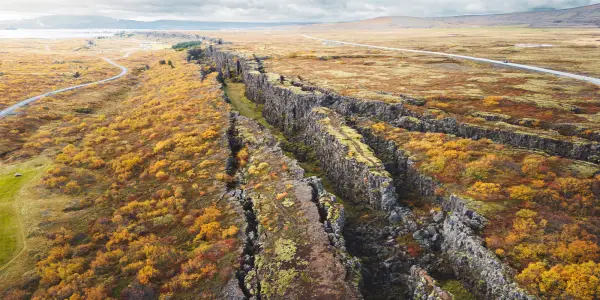
Recent research has unveiled the fragmentation of a subduction zone off Vancouver Island, a crucial area where tectonic plates interact. This process, characterized by one plate being forced beneath another, has profound implications for our understanding of geological dynamics and the potential for future seismic activity in the Pacific Northwest.
Impact on communities
The findings highlight the importance of monitoring subduction zones, as the gradual disintegration of tectonic plates could influence seismic activity patterns, potentially affecting communities in the Pacific Northwest that are already at risk from earthquakes.
Scientific updates
Using advanced seismic imaging techniques, researchers have documented extensive fractures in the oceanic plate, revealing a previously unseen process of gradual disintegration. This challenges long-held beliefs about the abrupt failure of subduction zones, providing new insights into tectonic evolution.
Future outlook
As scientists delve deeper into these findings, the focus will shift to understanding the implications for future seismic events along newly formed fractures. While immediate earthquake risks remain unchanged, this research paves the way for enhanced models of tectonic behavior.
Did you know?
Why this matters for our planet
Understanding the fragmentation of subduction zones is crucial for communities living along the Pacific Northwest coast. This research reveals how tectonic plates evolve, which helps predict seismic activity that could impact infrastructure, homes, and safety. With millions of people residing in earthquake-prone areas, insights from this study can inform better preparedness and response strategies, ultimately saving lives and minimizing damage.
Earth's undiscovered wonder
Did you know that the Cascadia subduction zone, where the Juan de Fuca and Explorer plates meet, has been quiet for over 300 years? This lack of significant seismic activity is unusual and raises questions about the potential for future quakes, making ongoing research vital to understanding the region's geological behavior.
The voice of Earth
Marcus, 34, from Chicago, recalls visiting his grandparents in Seattle as a child. The thrill of watching the waves crash against the rocky shore was always coupled with his grandmother's stories of the 'Big One'—the anticipated earthquake that could change everything. Now, as a marine biologist, he finds himself captivated by the recent findings about subduction zones. The idea that the Earth is constantly shifting beneath him makes him feel both small and connected to something much larger. Marcus often reflects on how these geological processes not only shape landscapes but also weave into the fabric of human history, influencing lives and livelihoods in profound ways.
James Webb Space Telescope Reveals First 3D...
The Impact of the Three Gorges Dam on Earth's...

US Government to Halt SNAP Benefits Amid Ongoing...
Sun Emits Second-Strongest Flare of 2025, Causing...
Rammed Earth Homes of 2026 Showcase Sustainable...

Coyote vs. Acme Blends Looney Tunes with...
Reassessing Economic Growth: Valuing Natural...
Blue Origin's New Glenn Rocket Set to Launch...
Aging Stars Pose Threat to Nearby Planets, New...
Perseverance Rover Discovers Unusual Rock Near...
Innovative Engine Harnesses Deep Space Energy for...
The Allure of Venezuela's Oil Reserves: Analyzing...
Natural History Museums: Essential Partners in...
Damage Assessment Underway in Northern Australia...
New Study Reveals Microbes Colonizing Freshly...

New Ice Age Episodes of Prehistoric Planet Now...
Supercomputers Analyze Enceladus's Plume Dynamics
Breakthrough in Microscopy Sheds Light on Ocean's...

Google Launches WeatherNext 2: Enhanced AI...

Steven Spielberg Steps Back from Sci-Fi Series...
Innovative Architectural Designs Inspired by...
Mars Express Reveals Evidence of Ancient Ice Age...
Exploring Sustainable Approaches to Deep-Sea...
Protests Erupt at COP30 Climate Summit in Belém
Significant Geomagnetic Storm Unleashes Auroras...

The Challenges of Sending a Supervillain into the...
Ancient Crocodile Fossils Unearthed in Australia...
Interstellar Comet 3I/ATLAS Reaches Perihelion,...
Exploring the Nature of Intelligence: Insights...
Understanding the Formation of Tectonic Plates
Intense Solar Activity: Sunspot Region Produces...

Google Enhances Weather Forecasting with...
Innovative Gel Shows Promise in Regenerating...

Brazil's Lula Urges Global Action Against Climate...
China's Astronauts Return Safely, but Another...

Apple Offers Support Following Fire in Hong Kong
Innovative Use of Underwater Speakers Aims to...

Top Organic Mattresses of 2025: Birch, Avocado,...

Putin Initiates Strategic Plan for Russia's Rare...