US Government to Halt SNAP Benefits Amid Ongoing Shutdown
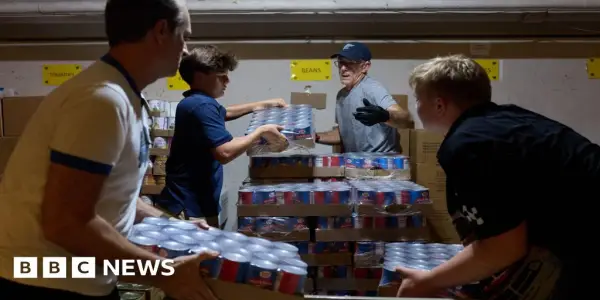
The cessation of funds for the Supplemental Nutrition Assistance Program (SNAP) will affect over 40 million Americans starting November 1, due to the current government shutdown.
In-depth analysis
Natural phenomena
The U.S. government's decision to halt funding for the Supplemental Nutrition Assistance Program (SNAP) coincides with a prolonged government shutdown, one of the longest in history. This situation reflects a broader pattern where political decisions intersect with essential public welfare, impacting millions who rely on government support for basic needs, particularly during economic downturns.
Impact on communities
The suspension of SNAP funding is expected to severely affect over 40 million Americans, with states like Massachusetts anticipating that one million residents will lose their benefits. Local food banks and charities are stepping in to mitigate food insecurity.
Scientific updates
The Center on Budget and Policy Priorities (CBPP) has highlighted that the contingency fund, previously available for emergencies, would only cover a small portion of the monthly SNAP benefits. This underscores the inadequacy of current reserves in addressing widespread food insecurity during the shutdown.
Future outlook
As the government shutdown persists, the outlook for families dependent on SNAP remains bleak. Without federal assistance or the release of contingency funds, many communities may face worsening food insecurity and heightened reliance on local support systems.
Did you know?
Why this matters for our planet
The discontinuation of SNAP funding affects not just individual families but also local economies and food systems. When millions lose access to food assistance, grocery stores see reduced sales, which can lead to job losses and economic downturns. This creates a ripple effect, where food waste increases and community resources become strained, highlighting the interconnectedness of our social safety nets and environmental sustainability.
Earth's undiscovered wonder
Did you know that over 40% of food in the U.S. is wasted? This staggering figure reflects the impact of food insecurity and the challenges of distribution. When SNAP funding is cut, it not only endangers families but also exacerbates food waste, contributing to greenhouse gas emissions and environmental degradation.
The voice of Earth
Marcus, 34, from Chicago, remembers the day he couldn't afford groceries for his two young children. As a single dad, SNAP was a lifeline, helping him put food on the table. When he learned funding was being cut, he felt a deep sense of fear wash over him. "It's more than just food; it's stability for my family," he said. With the government shutdown, he worries about what meals he can provide and the impact on his kids’ health and well-being. His story is a poignant reminder of the human cost of political decisions.

Catherine O’Hara, Iconic Actress from...

Top Organic Mattresses of 2025: Birch, Avocado,...

Intaaya Retreat in Indonesia Features Innovative...

Post-Artemis 2: What Insights Will Scientists...
New Fossil Discovery Alters Understanding of...
Exploring Sustainable Methods for Rare Earth...

Turkey Declines Rare Earth Element Sales to the...
Perseverance Rover Discovers Unusual Rock Near...

Putin Initiates Strategic Plan for Russia's Rare...

Ancient Australian Rocks Provide Insights into...
Damage Assessment Underway in Northern Australia...

Newly Discovered Snake Species Named After Steve...
Interstellar Comet 3I/ATLAS Reaches Perihelion,...
Ancient Crocodile Fossils Unearthed in Australia...

HEO Robotics Expands Satellite Imaging...

The Impact of the Three Gorges Dam on Earth's...
Reassessing the Impact of Farmed Seafood on Ocean...
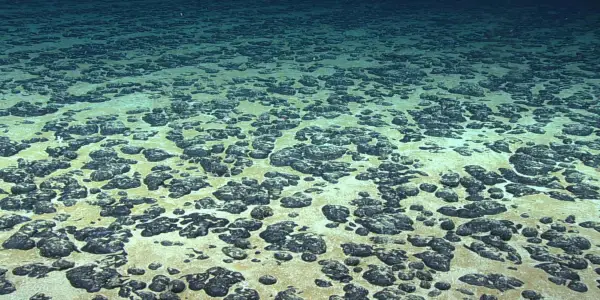
Exploring Sustainable Approaches to Deep-Sea...
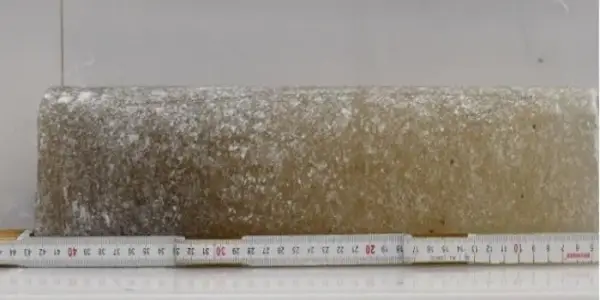
Ancient Air Trapped in 6-Million-Year-Old...
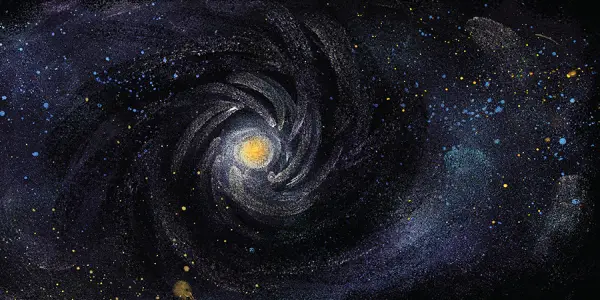
Embracing the Light: A Reflection on Our...
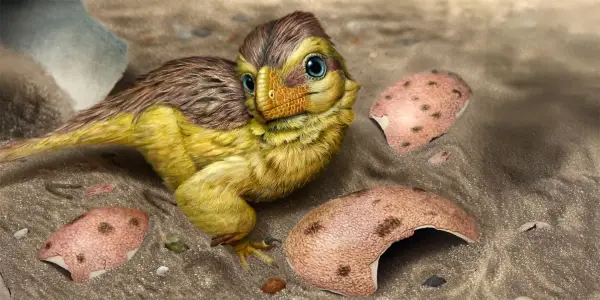
New Technique Unveils Natural Clock in Dinosaur...
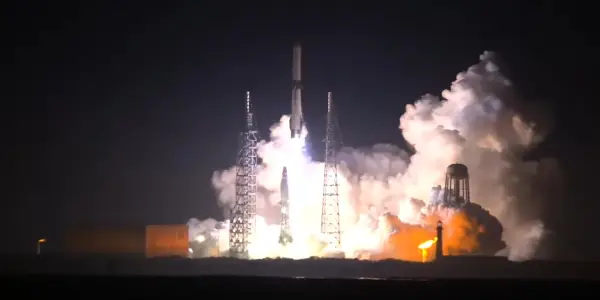
Blue Origin's New Glenn Rocket Set to Launch...

Exocomets Detected Around Distant Stars

Innovative Engine Harnesses Deep Space Energy for...
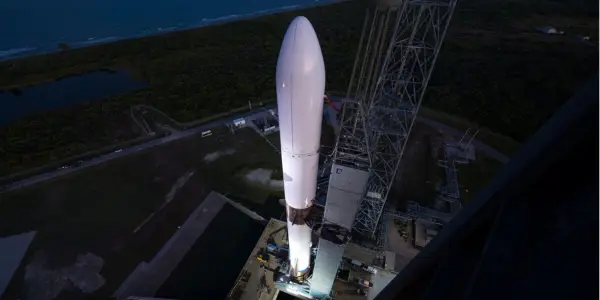
Geomagnetic Storm Forces Delay of Blue Origin's...
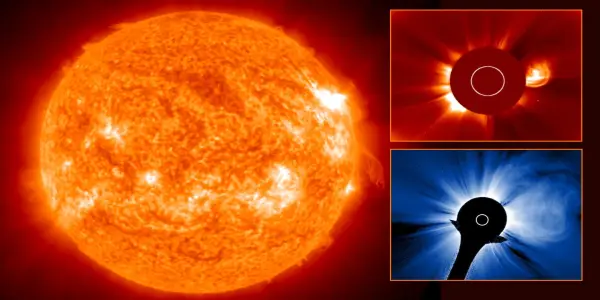
Sun Emits Second-Strongest Flare of 2025, Causing...
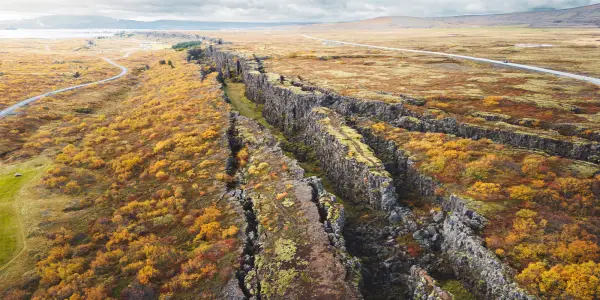
Understanding the Formation of Tectonic Plates

Natural History Museums: Essential Partners in...
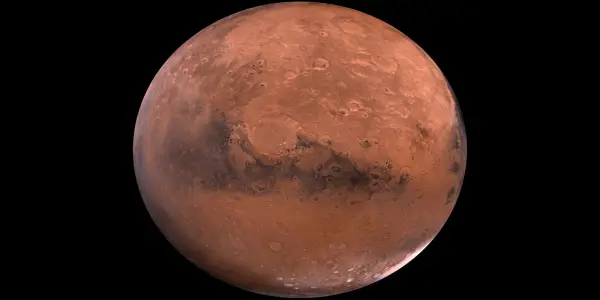
Time on Mars Outpaces Earth, Unveiling Challenges...

New Research Sheds Light on Jet Streams of Gas...

Google Enhances Weather Forecasting with...

Sun Unleashes Spectacular Solar Flare Amid...

Exploring the Depths of Nature: Boyd Varty's...
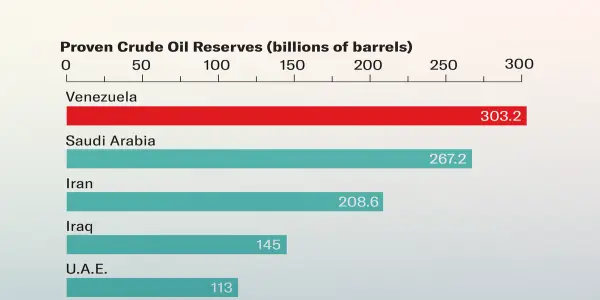
The Allure of Venezuela's Oil Reserves: Analyzing...

Innovative Gel Shows Promise in Regenerating...
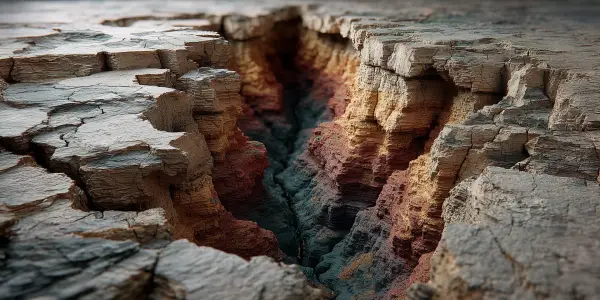
Study Reveals Fast Healing of Deep Earthquake...

Innovative Architectural Designs Inspired by...
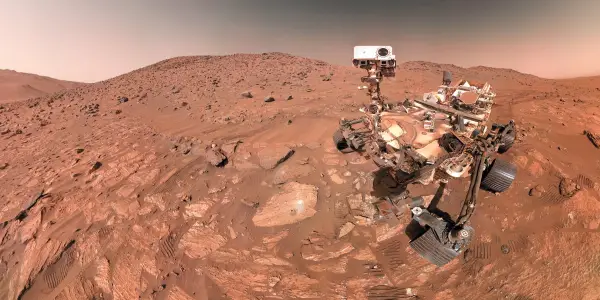
NASA's Mars Sample Return Mission Faces...
SpaceX to Launch Over 100 Satellites Today on...

Tennessee's Nature-Based Solutions for Health and...