Exploitation of GPS Vulnerabilities Raises Concerns Over Signal Integrity
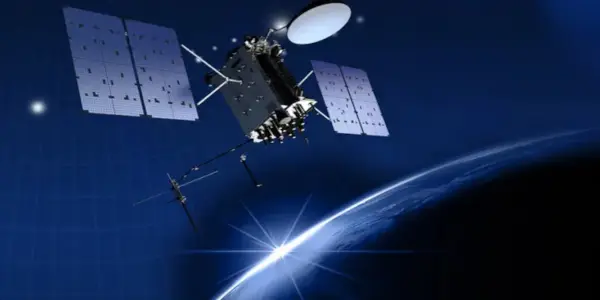
Recent large-scale GPS signal interference highlights vulnerabilities in navigation systems, prompting calls for enhanced resilience through innovative technologies.
In-depth analysis
Natural phenomena
The Global Positioning System (GPS) relies on signals from satellites positioned about 20,000 kilometers above Earth. This distance, while providing global coverage, also makes the system vulnerable to natural phenomena such as atmospheric disturbances, which can disrupt signal integrity, highlighting the need for more resilient navigation technologies.
Impact on communities
Communities increasingly dependent on GPS for navigation and location-based services face significant risks from its vulnerabilities. Disruptions can affect not only personal navigation but also emergency services, transportation, and logistics, leading to potential safety concerns.
Scientific updates
Recent advancements in navigation technology, such as the development of the Pulsar-0 satellite by Xona, aim to address GPS vulnerabilities. Operating in low Earth orbit, this system promises stronger signals that are less prone to jamming and spoofing, representing a significant step forward in navigation reliability.
Future outlook
The future of navigation technology appears to be shifting towards integrating alternative systems like Pulsar-0, as the industry seeks to enhance security and reliability. Continuous innovation will be essential to mitigate the risks associated with GPS vulnerabilities.
Did you know?
Why this matters for our planet
The reliability of GPS technology affects daily life in countless ways, from safe navigation on busy roads to the precision required for agricultural machinery. With recent vulnerabilities highlighted, everyday activities such as emergency response and even mobile gaming could face disruptions, potentially leading to dangerous misdirections or data breaches. Strengthening GPS alternatives is vital to maintain safety and efficiency in our increasingly interconnected world.
Earth's undiscovered wonder
Did you know that the GPS satellites orbiting Earth travel at speeds of around 14,000 kilometers per hour? This incredible velocity allows them to complete orbits in about 12 hours, enabling precise timing and location data crucial for everything from navigation to weather forecasting.
The voice of Earth
Marcus, 34, from Chicago, relies on GPS for his job as a delivery driver. One day, during a heavy storm, his GPS suddenly malfunctioned, leaving him disoriented and unable to find the quickest route. Frustrated and anxious, he recalled how essential accurate navigation is, especially when he has to deliver life-saving medications. That moment ignited his passion for advocating for better navigation systems, so no one else would face the same uncertainty—especially in critical situations.
Expert Commentary

Exploring the Depths of Nature: Boyd Varty's...

Rising Frustration in Aceh as Flood Relief...

Ancient Australian Rocks Provide Insights into...
Insights into Lithospheric Dynamics from Turkana...

Reassessing Economic Growth: Valuing Natural...
SpaceX to Launch Over 100 Satellites Today on...
Blue Origin's New Glenn Rocket Set to Launch...

WhatsApp Security Vulnerability Exposes 3.5...

Breakthrough Discovery Offers Insights into the...

Innovative Technique Utilizes Dragonberry Weed to...

Becoming a Backyard Meteorologist: A Guide with...

UK Churches Embrace Heat Pumps for Sustainable...
Significant Geomagnetic Storm Unleashes Auroras...

VTN Architects Completes Nuoc Ui School in...

The Late Ordovician Mass Extinction: A Pivotal...

Innovative Gel Shows Promise in Regenerating...
Young Star V1298 Tau Sheds Light on Planet...
New Study Reveals Microbes Colonizing Freshly...

The Impact of the Three Gorges Dam on Earth's...
James Webb Space Telescope Reveals First 3D...

Turkey Declines Rare Earth Element Sales to the...

Notable Aquatic Highlights from the 2025 Nature's...

The Challenges of Sending a Supervillain into the...

Breakthrough in Microscopy Sheds Light on Ocean's...

New Insights from the Butterfly Nebula May...
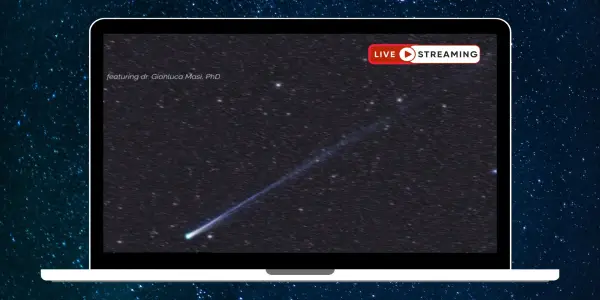
Live Stream of Comets Lemmon and SWAN Approaching...

Coyote vs. Acme Blends Looney Tunes with...

HEO Robotics Expands Satellite Imaging...

Apple Offers Support Following Fire in Hong Kong

Exocomets Detected Around Distant Stars
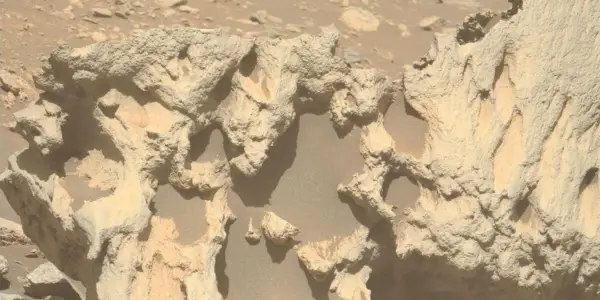
Perseverance Rover Discovers Unusual Rock Near...
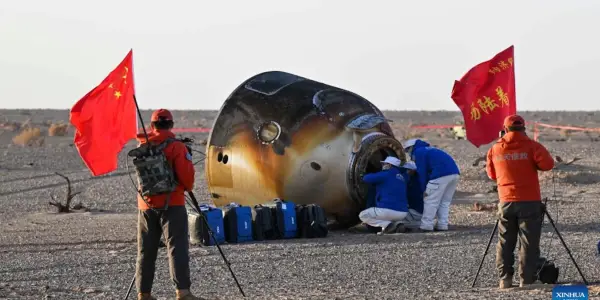
China's Astronauts Return Safely, but Another...

Ancient Crocodile Fossils Unearthed in Australia...
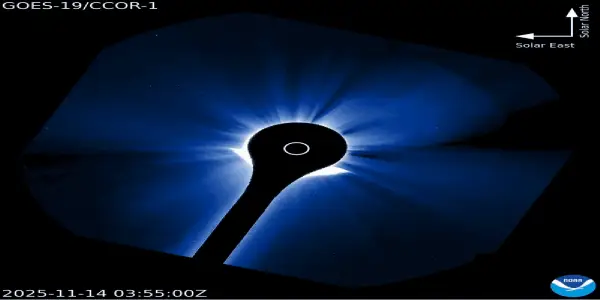
Sun Unleashes Spectacular Solar Flare Amid...
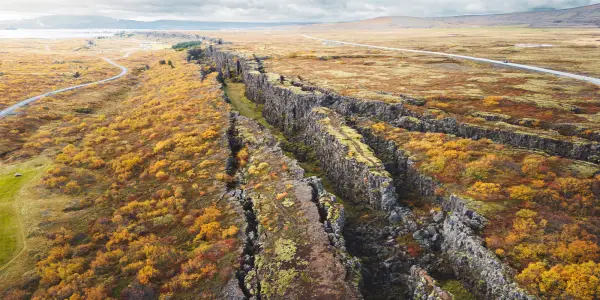
Understanding the Formation of Tectonic Plates

Exploring Iterative Creativity: Pelicans on...

Portable Libraries: A Lifeline When Internet...
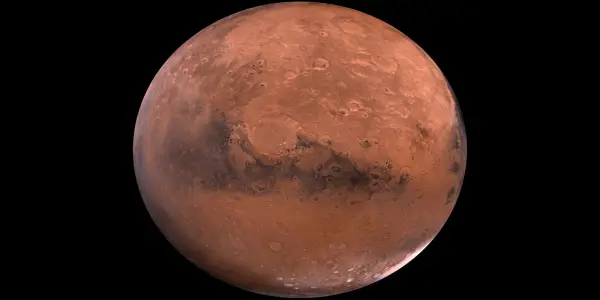
Time on Mars Outpaces Earth, Unveiling Challenges...
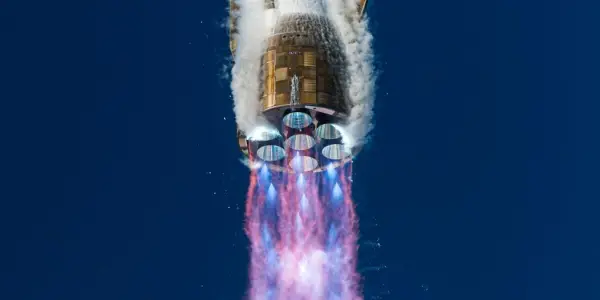
New Glenn Rocket Completes Successful Test...

Exploring the Nature of Intelligence: Insights...