New Fossil Species of Axolotl Discovered in Mexico, Shedding Light on Ancient Salamander Evolution
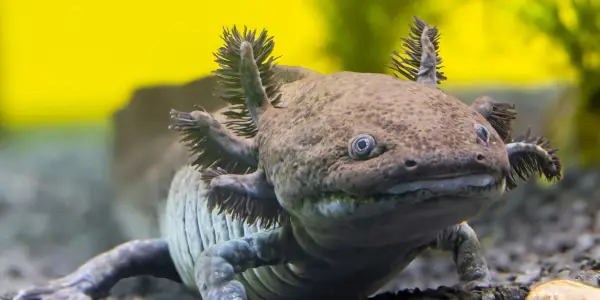
The identification of Ambystoma quetzalcoatli marks a significant milestone in the study of axolotls, revealing their long-standing presence in Mexico.
In-depth analysis
Natural phenomena
The identification of Ambystoma quetzalcoatli sheds light on the ancient ecological conditions that existed in Mexico, specifically around Atotonilco el Grande. This area was once characterized by a network of freshwater lakes, likely formed by the dynamic shifts in the Amajac River. Such environments provided critical habitats for amphibians, influencing their evolutionary pathways.
Impact on communities
The discovery of this fossil salamander species underscores the rich biodiversity of Mexico's ecosystems. It emphasizes the importance of preserving local habitats, which are crucial for the survival of contemporary species like the axolotl, thereby fostering community engagement in conservation efforts.
Scientific updates
Recent analyses of the Ambystoma quetzalcoatli fossils have revealed distinct anatomical features that differentiate it from modern axolotls. Employing advanced imaging techniques, researchers identified variations in cranial structures and vertebral counts, providing valuable insights into the evolutionary changes within the Ambystoma genus over millions of years.
Future outlook
The findings from this research highlight the necessity for continued exploration of amphibian biodiversity in Mexico. Future studies may focus on uncovering more fossil records and understanding the evolutionary dynamics that have shaped these species, fostering a deeper appreciation for the region's ecological heritage.
Did you know?
Why this matters for our planet
The identification of Ambystoma quetzalcoatli sheds light on Mexico's ecological history and the evolution of amphibians, which play crucial roles in maintaining healthy ecosystems. Understanding these creatures helps scientists gauge environmental changes over time, offering insights into current biodiversity loss. This knowledge is vital for conservation efforts, as it can inform strategies to protect habitats and species we encounter daily.
Earth's undiscovered wonder
The newly identified fossil salamander, Ambystoma quetzalcoatli, lived during an era when Mexico's landscape featured vast freshwater lakes. This environment was not only crucial for the evolution of amphibians but also hints at the rich biodiversity that once thrived in regions now facing severe ecological changes.
The voice of Earth
Marcus, 34, from Chicago, recalls a childhood spent chasing frogs by the lake near his home. Fascinated by the unique axolotls in documentaries, he later pursued a career in conservation. Learning about Ambystoma quetzalcoatli reignited his passion, connecting his childhood memories with the importance of preserving amphibians today. He often shares this story with his students, hoping to inspire them to appreciate the delicate balance of ecosystems and the need to protect them.
Expert Commentary

Catherine O’Hara, Iconic Actress from...

Top Organic Mattresses of 2025: Birch, Avocado,...

Intaaya Retreat in Indonesia Features Innovative...

Post-Artemis 2: What Insights Will Scientists...
New Fossil Discovery Alters Understanding of...

Exploring Sustainable Methods for Rare Earth...

Turkey Declines Rare Earth Element Sales to the...
Perseverance Rover Discovers Unusual Rock Near...

Putin Initiates Strategic Plan for Russia's Rare...

Ancient Australian Rocks Provide Insights into...

Damage Assessment Underway in Northern Australia...
Newly Discovered Snake Species Named After Steve...
Interstellar Comet 3I/ATLAS Reaches Perihelion,...
Ancient Crocodile Fossils Unearthed in Australia...

HEO Robotics Expands Satellite Imaging...

The Impact of the Three Gorges Dam on Earth's...

Reassessing the Impact of Farmed Seafood on Ocean...

Exploring Sustainable Approaches to Deep-Sea...
Ancient Air Trapped in 6-Million-Year-Old...

Embracing the Light: A Reflection on Our...
New Technique Unveils Natural Clock in Dinosaur...

Blue Origin's New Glenn Rocket Set to Launch...

Exocomets Detected Around Distant Stars

Innovative Engine Harnesses Deep Space Energy for...

Geomagnetic Storm Forces Delay of Blue Origin's...

Sun Emits Second-Strongest Flare of 2025, Causing...
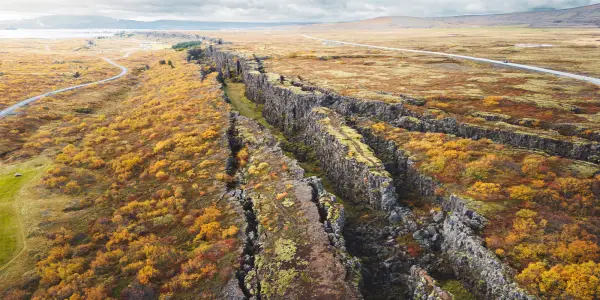
Understanding the Formation of Tectonic Plates
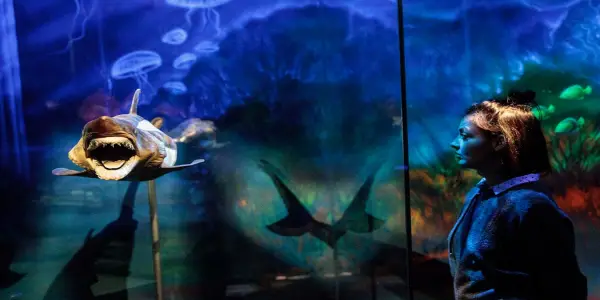
Natural History Museums: Essential Partners in...
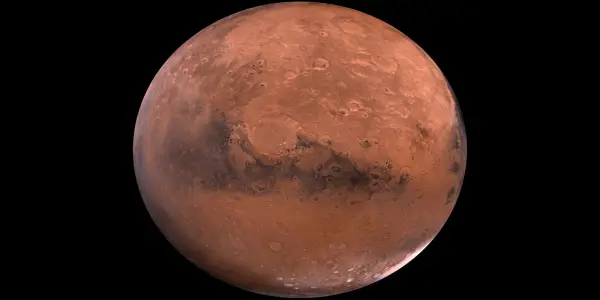
Time on Mars Outpaces Earth, Unveiling Challenges...

New Research Sheds Light on Jet Streams of Gas...

Google Enhances Weather Forecasting with...

Sun Unleashes Spectacular Solar Flare Amid...

Exploring the Depths of Nature: Boyd Varty's...

The Allure of Venezuela's Oil Reserves: Analyzing...

Innovative Gel Shows Promise in Regenerating...

New Insights from the Butterfly Nebula May...
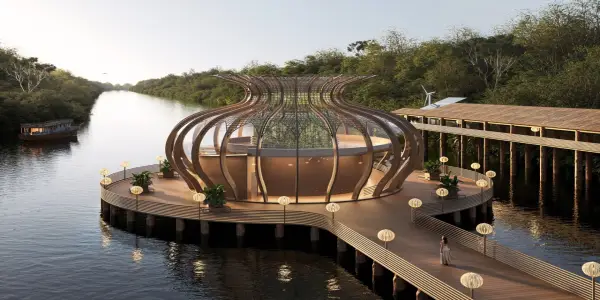
Innovative Architectural Designs Inspired by...
NASA's Mars Sample Return Mission Faces...

SpaceX to Launch Over 100 Satellites Today on...
Tennessee's Nature-Based Solutions for Health and...