China's Latest Rocket Launch Marks Significant Progress in Its 2030 Space Ambitions
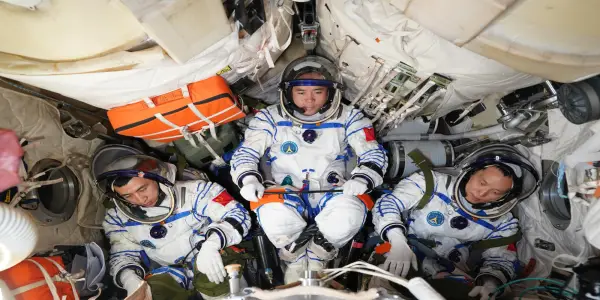
China's Shenzhou mission aims to enhance research on long-duration spaceflight, drawing global attention to its potential implications for future missions.
In-depth analysis
Natural phenomena
The Shenzhou mission sets a new benchmark in understanding how human physiology adapts to the unique conditions of space. Focused on embryonic development and advanced material research, the mission explores the biological implications of microgravity, particularly through studies involving zebrafish and mouse embryos. These investigations are essential for future space exploration.
Impact on communities
The mission's findings have the potential to benefit communities by enhancing knowledge about human health in extreme environments. Insights gained could inform medical advancements and safety protocols for astronauts, ultimately contributing to public understanding of space travel.
Scientific updates
Research from the Shenzhou mission will contribute to a comprehensive atlas detailing human responses to microgravity, building on previous studies like Scott Kelly's yearlong spaceflight. The exploration of high-entropy alloys also aims to improve spacecraft design, addressing challenges posed by the harsh conditions of space.
Future outlook
As China prepares for more ambitious missions, including potential crewed flights to Mars, the Shenzhou mission's outcomes could shape the future of long-duration space travel. The insights gained will be crucial for ensuring astronaut health and safety in upcoming interplanetary endeavors.
Did you know?
Why this matters for our planet
The Shenzhou mission's focus on human physiology in space has far-reaching implications for life on Earth. Understanding how our bodies adapt to microgravity can inform medical practices for conditions like osteoporosis and muscle degeneration. Moreover, advancements in materials science, like high-entropy alloys, could lead to stronger, lighter materials for sustainable technologies, impacting everything from infrastructure to renewable energy solutions.
Earth's undiscovered wonder
Did you know that zebrafish embryos are transparent, allowing scientists to observe developmental processes in real-time? This unique feature makes them ideal for research in microgravity, providing insights that could revolutionize our understanding of genetics and human health during long-duration space missions.
The voice of Earth
Marcus, 34, from Chicago, has always been fascinated by space. As a child, he watched every launch on television, dreaming of adventure among the stars. Recently, he lost his father to a degenerative disease, a condition exacerbated by gravity. Inspired by the Shenzhou mission, Marcus sees hope in the research on human physiology in space. He believes that understanding how our bodies respond to microgravity could unveil new treatments, not just for astronauts but for everyday people facing similar health challenges. The thought that space exploration could lead to breakthroughs for those on Earth gives him a renewed sense of purpose.
Expert Commentary

Study Reveals Fast Healing of Deep Earthquake...
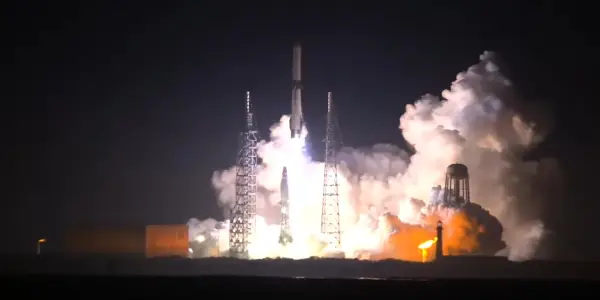
Blue Origin's New Glenn Rocket Set to Launch...
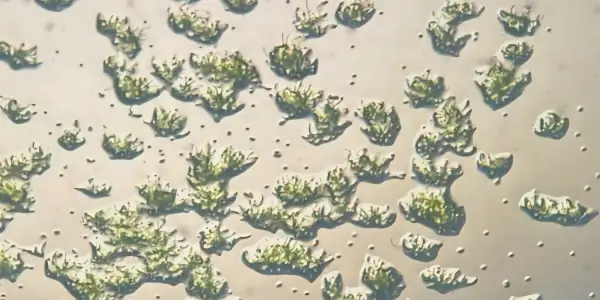
Moss Survives 9 Months in Space and Thrives After...

The Allure of Venezuela's Oil Reserves: Analyzing...

Innovative Engine Harnesses Deep Space Energy for...

Pacific Northwest's Subduction Zone Revealed to...

Newly Discovered Snake Species Named After Steve...

Innovative Technique Utilizes Dragonberry Weed to...
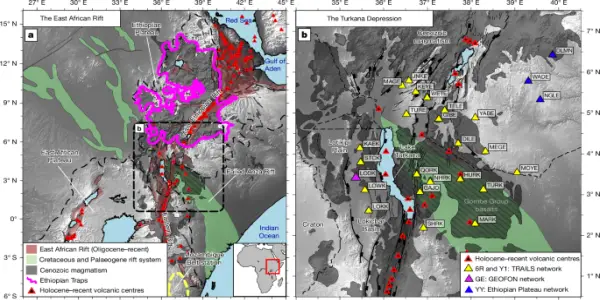
Insights into Lithospheric Dynamics from Turkana...

Turkey Declines Rare Earth Element Sales to the...

Ancient Crocodile Fossils Unearthed in Australia...

Innovative Use of Underwater Speakers Aims to...

New Technique Unveils Natural Clock in Dinosaur...

Innovative Gel Shows Promise in Regenerating...
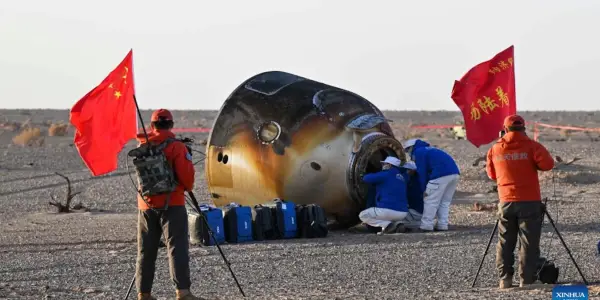
China's Astronauts Return Safely, but Another...

Artemis II Sparks Renewed Interest in Lunar...

Exploring Sustainable Approaches to Deep-Sea...

VTN Architects Completes Nuoc Ui School in...

The Intersection of AI Development and Natural...

Exploring the Conclusion of 'Predator: Badlands'

New Insights from the Butterfly Nebula May...

Intaaya Retreat in Indonesia Features Innovative...

Reassessing Economic Growth: Valuing Natural...

HEO Robotics Expands Satellite Imaging...

Apple Offers Support Following Fire in Hong Kong

Catherine O’Hara, Iconic Actress from...

Blue Origin's New Glenn Rocket Successfully Lands...

Supercomputers Analyze Enceladus's Plume Dynamics

The Challenges of Sending a Supervillain into the...

The Late Ordovician Mass Extinction: A Pivotal...
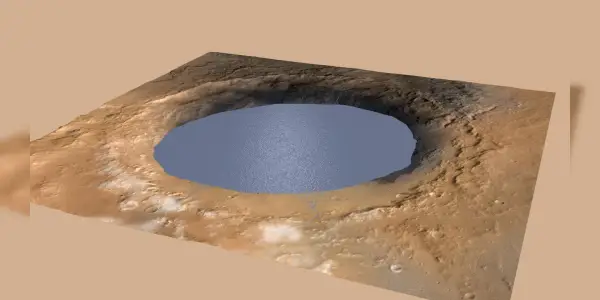
Ancient Lakes on Mars: New Research Unveils Ice...

FX Confirms Season 2 Renewal for 'Alien: Earth'

New Insights into 'Project Hail Mary' Reveal...
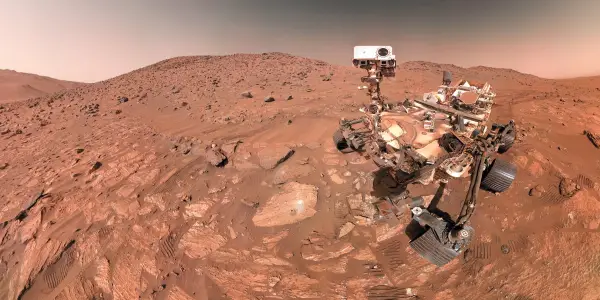
NASA's Mars Sample Return Mission Faces...

Notable Aquatic Highlights from the 2025 Nature's...

UK Churches Embrace Heat Pumps for Sustainable...

Coyote vs. Acme Blends Looney Tunes with...

Google Enhances Weather Forecasting with...

Top Organic Mattresses of 2025: Birch, Avocado,...

Reassessing the Impact of Farmed Seafood on Ocean...