Reassessing Economic Growth: Valuing Natural Resources
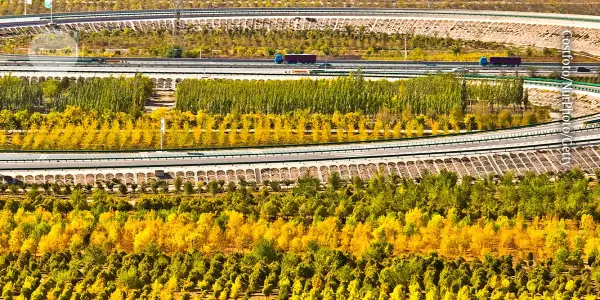
Economist Partha Dasgupta critiques the global focus on short-term growth, urging the integration of natural capital into economic assessments to preserve vi...
In-depth analysis
Natural phenomena
The degradation of ecosystems has reached alarming levels, with one-third of the world's wetlands lost due to human activities. This loss has significant implications for biodiversity and climate regulation, highlighting the urgent need to reassess how natural resources are valued within economic frameworks.
Impact on communities
Communities reliant on healthy ecosystems are facing increasing challenges as natural resources dwindle. The loss of wetlands and coral reefs directly impacts livelihoods, food security, and local economies, emphasizing the interconnectedness of environmental health and human well-being.
Scientific updates
Recent studies underscore the critical role of natural capital in sustaining both ecosystems and economies. Economists and environmentalists alike are advocating for new accounting practices that reflect the true value of nature, as traditional models have historically overlooked these essential assets.
Future outlook
The integration of natural capital into economic assessments is gaining momentum, with initiatives emerging in various countries. As awareness grows, there is potential for transformative change in how economies operate, paving the way for sustainable growth that respects ecological limits.
Did you know?
Why this matters for our planet
The degradation of ecosystems like wetlands and coral reefs has direct implications for everyday life, influencing everything from food security to climate stability. Healthy wetlands filter water, support agriculture, and mitigate flooding, while coral reefs protect coastlines and sustain fisheries. By valuing natural resources as critical assets, societies can make informed decisions that ensure both economic stability and ecological health for future generations.
Earth's undiscovered wonder
Did you know that wetlands can store carbon at rates up to 30 times greater than forests? This remarkable ability makes them essential in combating climate change, yet one-third of these crucial ecosystems have been lost, highlighting the urgent need for their protection and restoration.
The voice of Earth
Marcus, 34, from Chicago, grew up fishing with his grandfather in the wetlands of the Midwest. After witnessing their rapid decline due to urban development, he felt a deep sense of loss. The last time he cast a line into those waters, he caught nothing but memories. Now, he volunteers with local conservation groups, driven by a desire to restore the wetlands that once connected him to nature. For Marcus, every restored acre represents hope for future generations and a chance to revive the bond he cherished.

Putin Initiates Strategic Plan for Russia's Rare...
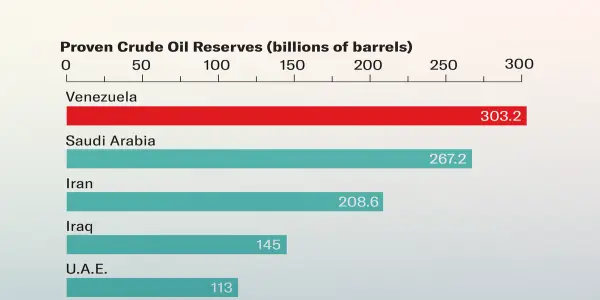
The Allure of Venezuela's Oil Reserves: Analyzing...
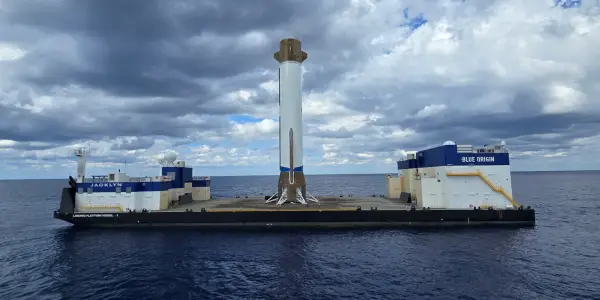
Blue Origin's New Glenn Rocket Successfully Lands...
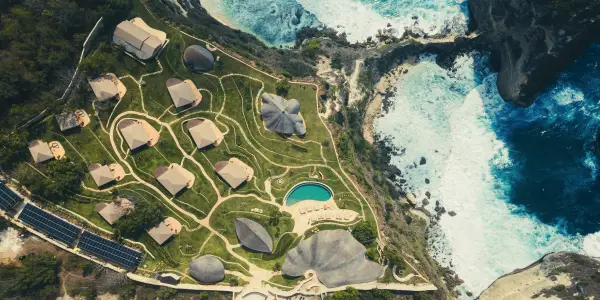
Intaaya Retreat in Indonesia Features Innovative...
Coyote vs. Acme Blends Looney Tunes with...
Perseverance Rover Discovers Unusual Rock Near...
Sun Emits Second-Strongest Flare of 2025, Causing...
Insights into Lithospheric Dynamics from Turkana...
New Fossil Discovery Alters Understanding of...
The Impact of the Three Gorges Dam on Earth's...
Understanding Artificial Reefs: A Solution for...
Damage Assessment Underway in Northern Australia...
The Intersection of AI Development and Natural...
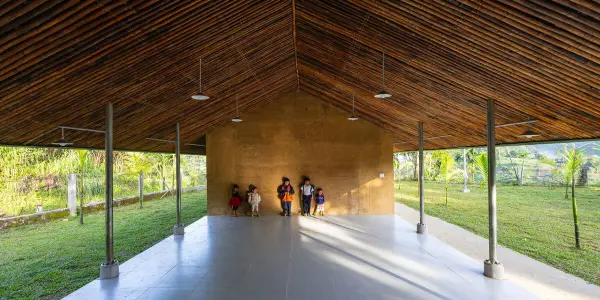
VTN Architects Completes Nuoc Ui School in...
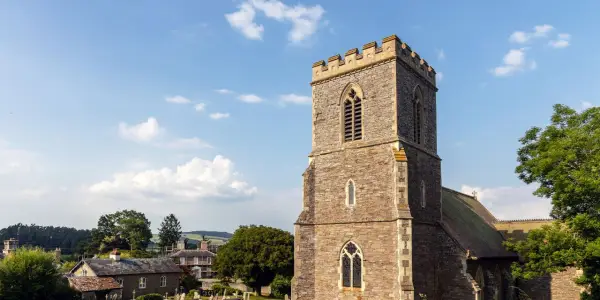
UK Churches Embrace Heat Pumps for Sustainable...
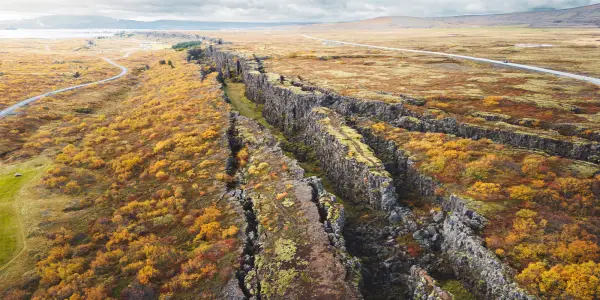
Understanding the Formation of Tectonic Plates
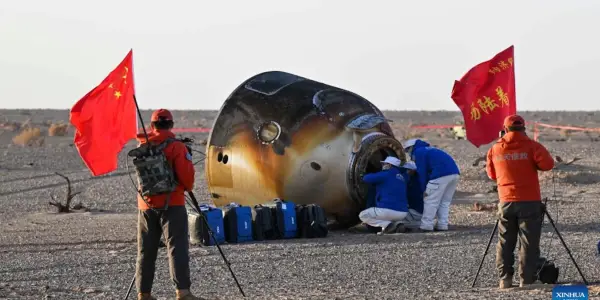
China's Astronauts Return Safely, but Another...
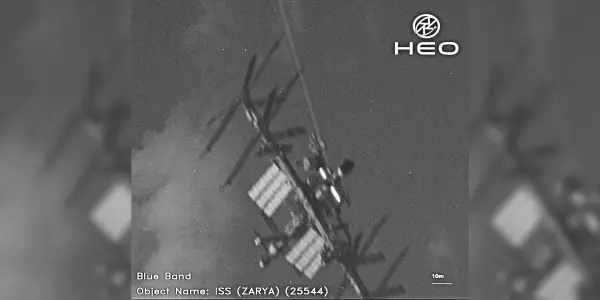
HEO Robotics Expands Satellite Imaging...
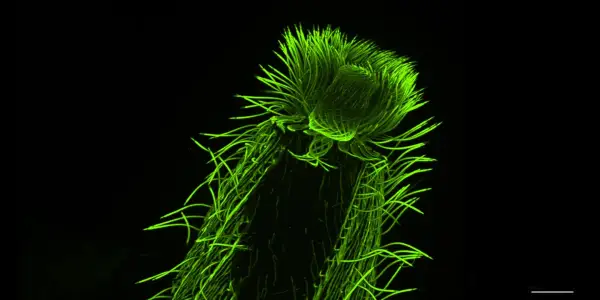
Breakthrough in Microscopy Sheds Light on Ocean's...
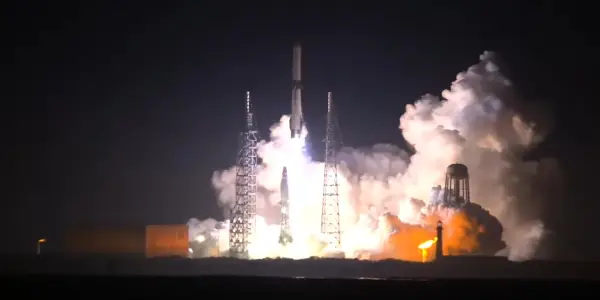
Blue Origin's New Glenn Rocket Set to Launch...
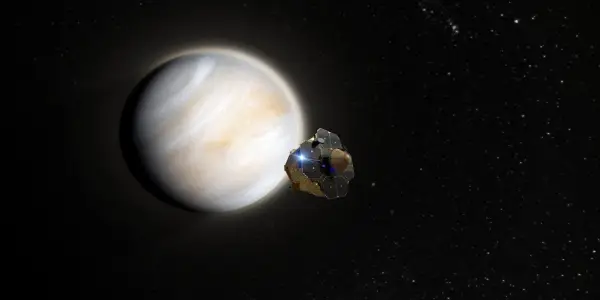
Upcoming Venus Missions Set to Explore Earth's...
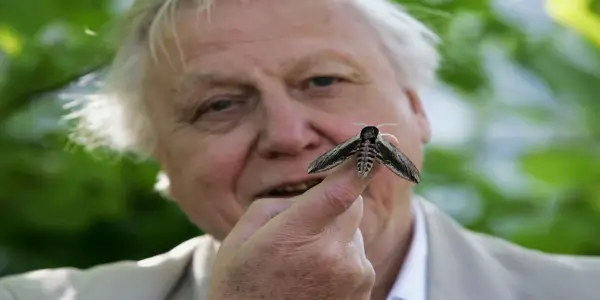
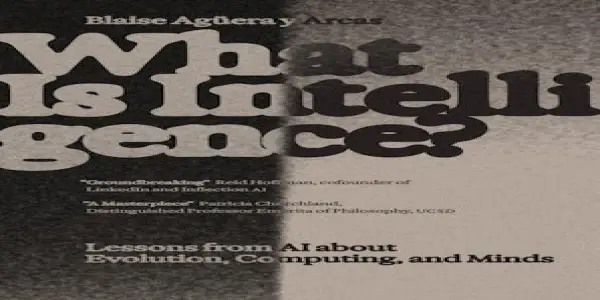
Exploring the Nature of Intelligence: Insights...
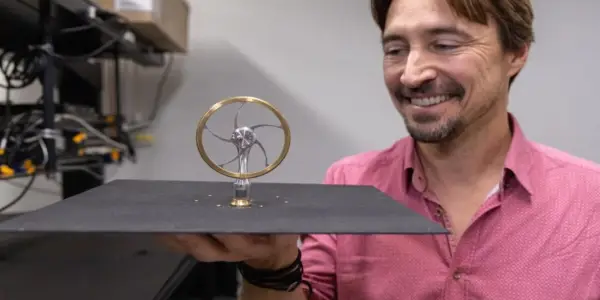
Innovative Engine Harnesses Deep Space Energy for...
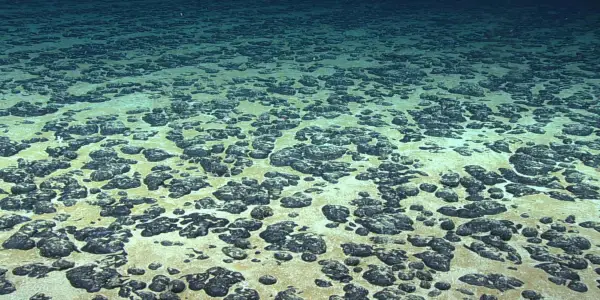
Exploring Sustainable Approaches to Deep-Sea...
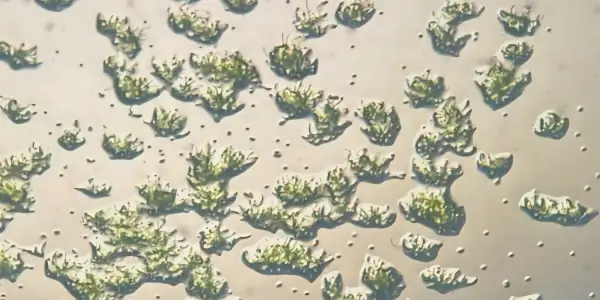
Moss Survives 9 Months in Space and Thrives After...

Top Organic Mattresses of 2025: Birch, Avocado,...
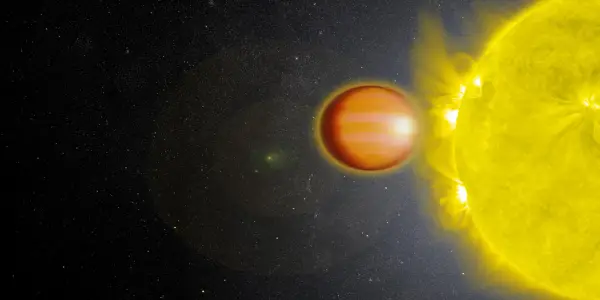
James Webb Space Telescope Reveals First 3D...
FX Confirms Season 2 Renewal for 'Alien: Earth'
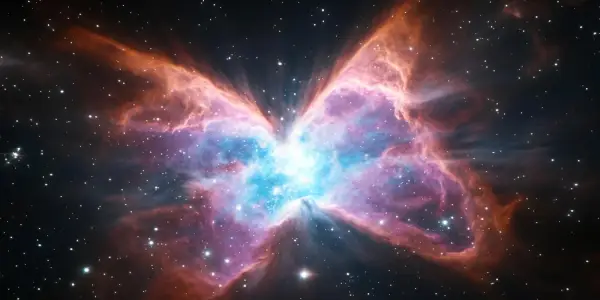
New Insights from the Butterfly Nebula May...
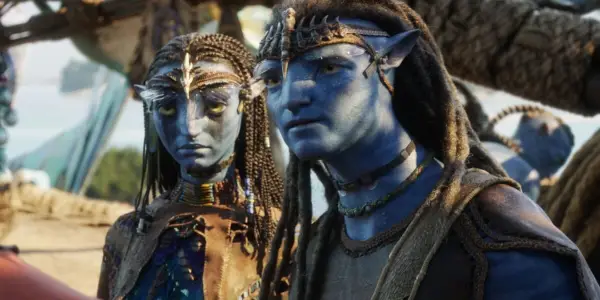
Exploring Key Questions Raised by ‘Avatar: Fire...
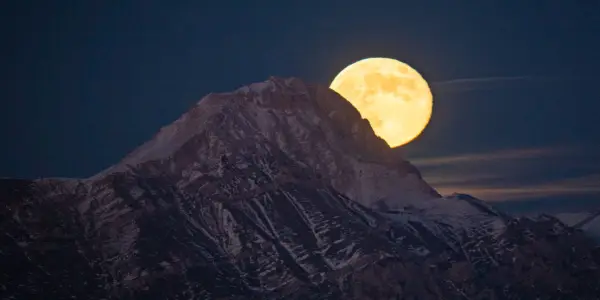
November's Full Supermoon: A Celestial Event to...

WhatsApp Security Vulnerability Exposes 3.5...
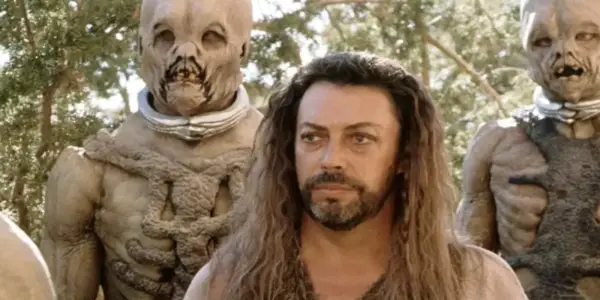
Steven Spielberg Steps Back from Sci-Fi Series...
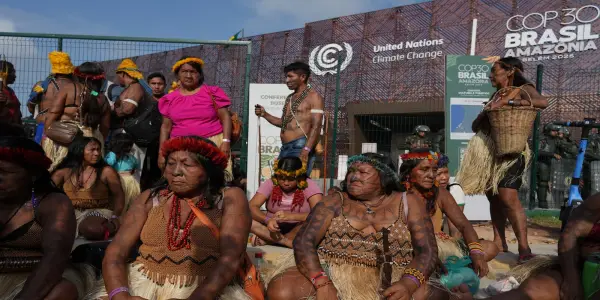
Indigenous Activists Challenge COP30's Rainforest...
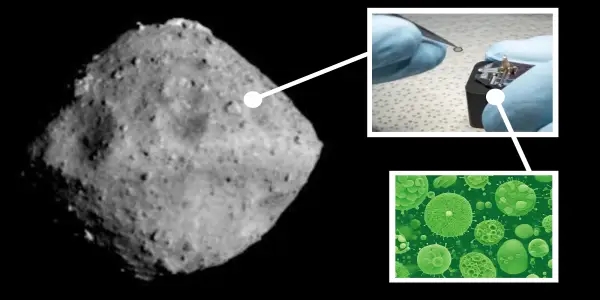
Asteroid Impact in Finland Reveals Ancient...
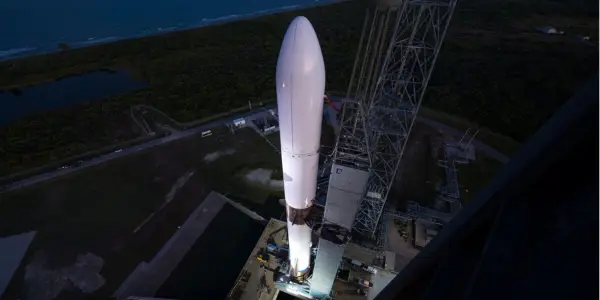
Geomagnetic Storm Forces Delay of Blue Origin's...
Ancient Australian Rocks Provide Insights into...
Newly Discovered Snake Species Named After Steve...