James Webb Space Telescope Reveals First 3D Atmospheric Map of Exoplanet
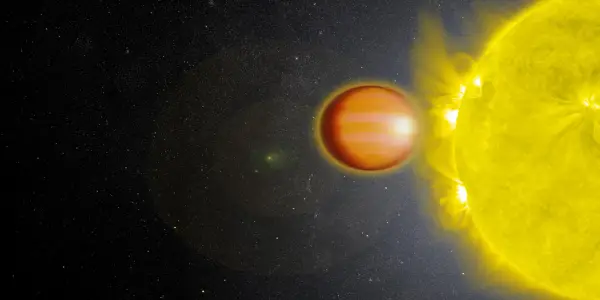
Astronomers have successfully utilized the James Webb Space Telescope to create the inaugural three-dimensional atmospheric map of the exoplanet WASP-18b, a massive gas giant known for its extreme temperatures and unique atmospheric conditions.
In-depth analysis
Natural phenomena
The groundbreaking study reveals the first three-dimensional atmospheric map of WASP-18b, an ultra-hot Jupiter located 325 light-years from Earth. The planet exhibits extreme heat, capable of breaking down water molecules in certain regions, showcasing the diverse conditions that exist in exoplanetary atmospheres.
Impact on communities
The advancements in exoplanet research have the potential to inspire educational initiatives and foster public interest in astronomy, bridging the gap between scientific discovery and community engagement.
Scientific updates
Utilizing 3D eclipse mapping, researchers have achieved unprecedented detail in studying WASP-18b's atmospheric temperature variations across three dimensions. This innovative technique enhances the capabilities of the James Webb Space Telescope, allowing for more comprehensive analyses of distant exoplanets.
Future outlook
The findings from this study are expected to drive further exploration of exoplanetary atmospheres, paving the way for future discoveries that could reveal conditions suitable for life beyond our solar system.
Did you know?
Why this matters for our planet
The 3D mapping of exoplanets like WASP-18b sheds light on atmospheric conditions that could resemble those on other planets, including our own. Understanding these extreme environments helps scientists predict how atmospheres evolve and potentially supports the search for habitable worlds. This knowledge informs climate models and planetary science, bridging connections between distant celestial phenomena and Earth's future.
Earth's undiscovered wonder
WASP-18b's atmosphere experiences temperatures exceeding 3,200 degrees Fahrenheit, hot enough to break down water molecules. This extreme heat creates conditions that starkly contrast with anything found on Earth, highlighting the diversity of planetary atmospheres in our universe and challenging our understanding of how life might survive in such environments.
The voice of Earth
Marcus, 34, from Chicago, always gazed at the stars, dreaming of distant worlds. When he learned about the 3D atmospheric map of WASP-18b, he felt a spark of hope. As a child, he often imagined what life might look like on other planets. Now, he sees that even extreme worlds have stories to tell. Marcus volunteers at a local planetarium, sharing his passion with kids who look up in wonder. He understands that studying these distant giants could one day help humanity find a new home among the stars, igniting the same passion in future generations.
Interstellar Comet 3I/ATLAS Reaches Perihelion,...
Significant Solar Activity Forecasted to Cause...

Reassessing Economic Growth: Valuing Natural...
Blue Origin's New Glenn Rocket Set to Launch...

VTN Architects Completes Nuoc Ui School in...
First Mosquito Sightings in Iceland Linked to...

Intaaya Retreat in Indonesia Features Innovative...

Exploring the Depths of Nature: Boyd Varty's...
Innovative Engine Harnesses Deep Space Energy for...

WhatsApp Security Vulnerability Exposes 3.5...
Study Reveals Fast Healing of Deep Earthquake...
New Research Sheds Light on Jet Streams of Gas...
Young Star V1298 Tau Sheds Light on Planet...
Abrams Studios Announces New Sci-Fi Exploration...
Time on Mars Outpaces Earth, Unveiling Challenges...

Indigenous Activists Challenge COP30's Rainforest...
New Study Reveals Microbes Colonizing Freshly...
Upcoming Venus Missions Set to Explore Earth's...
Sun Emits Second-Strongest Flare of 2025, Causing...
Jupiter's Rapid Spin Influences Water...
NASA's Mars Sample Return Mission Faces...

Newly Discovered Snake Species Named After Steve...
Embracing the Light: A Reflection on Our...

Innovative Precast Rammed Earth Tennis Court...
The Allure of Venezuela's Oil Reserves: Analyzing...
Innovative Gel Shows Promise in Regenerating...

Catherine O’Hara, Iconic Actress from...

Top Organic Mattresses of 2025: Birch, Avocado,...
Ancient Crocodile Fossils Unearthed in Australia...
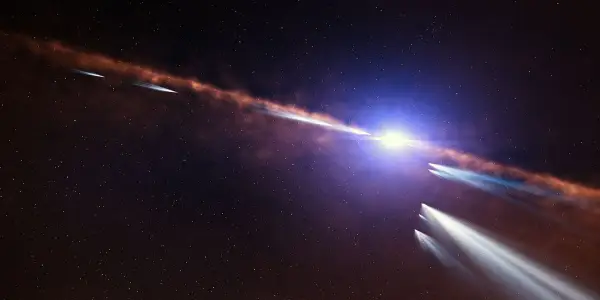
Exocomets Detected Around Distant Stars
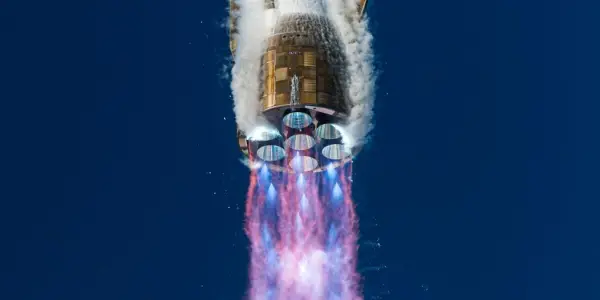
New Glenn Rocket Completes Successful Test...
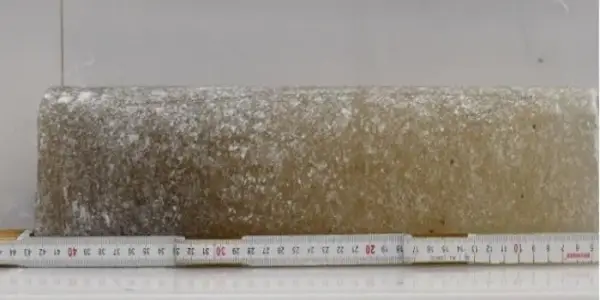
Ancient Air Trapped in 6-Million-Year-Old...
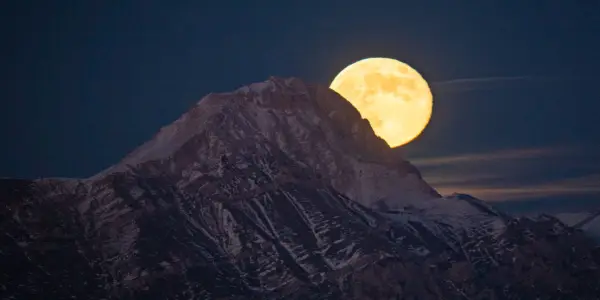
November's Full Supermoon: A Celestial Event to...

Tennessee's Nature-Based Solutions for Health and...

Coyote vs. Acme Blends Looney Tunes with...

New Insights into 'Project Hail Mary' Reveal...
Artemis II Sparks Renewed Interest in Lunar...
Insights into Lithospheric Dynamics from Turkana...
Damage Assessment Underway in Northern Australia...