Thinking Machines Lab Unveils Its Inaugural AI Model, Inkling

Inkling, a 975-billion-parameter open-source model, aims to position Thinking Machines as a key player in the competitive AI landscape.
In-depth analysis
Natural phenomena
The launch of Thinking Machines Lab's Inkling model represents a significant shift in the artificial intelligence landscape. With 975 billion parameters, Inkling is designed to interpret both audio and video data, showcasing the increasing complexity and capability of AI systems. This evolution reflects broader trends in technology, where advancements are rapidly reshaping industries and user interactions.
Impact on communities
The introduction of Inkling has the potential to democratize access to advanced AI technologies. By providing an open-weight model, Thinking Machines Lab enables a wider range of developers and researchers to innovate, fostering a more inclusive technological environment.
Scientific updates
Inkling's development highlights a notable advancement in AI reasoning processes. As the model trains, it refines its 'chain of thought,' improving clarity and efficiency in responses. This self-improvement capability could significantly enhance practical applications of AI, making it more adaptable to user needs.
Future outlook
The competitive landscape for AI is poised for further transformation as Thinking Machines Lab positions itself against established players. With a focus on open-source models and decentralized technology, the future may see increased innovation and collaboration, reshaping how AI is developed and utilized across various sectors.
Did you know?
Why this matters for our planet
The rise of open-source AI models like Inkling can democratize technology, making advanced AI tools accessible to more developers and researchers. This shift could lead to innovative solutions for pressing global challenges, such as climate change and resource management. As costs decrease, everyday individuals and small organizations may harness AI to address local environmental issues, fostering a more sustainable future.
Earth's undiscovered wonder
Did you know that nearly 80% of the ocean is still unexplored? This vast, mysterious expanse holds countless undiscovered species and ecosystems that could offer insights into everything from medicine to climate resilience. As AI models like Inkling advance, their capacity for analyzing complex data may help us unlock these oceanic secrets, guiding conservation efforts.
The voice of Earth
Marcus, 34, from Chicago, has always felt a deep connection to nature. After witnessing the devastating impacts of climate change in his hometown, he became determined to make a difference. With the advent of open-source AI like Inkling, Marcus dreams of developing a simple app that helps local communities monitor air quality in real-time. He envisions a tool that empowers everyday citizens to advocate for cleaner air in their neighborhoods. For Marcus, this isn't just about technology; it’s a personal mission to ensure future generations can enjoy the same vibrant environment he cherishes.
Expert Commentary

HEO Robotics Expands Satellite Imaging...
Perseverance Rover Discovers Unusual Rock Near...
Reassessing Economic Growth: Valuing Natural...
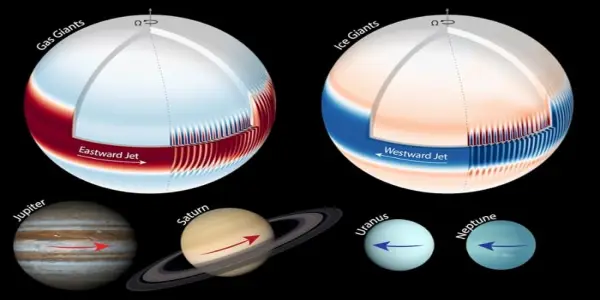
New Research Sheds Light on Jet Streams of Gas...
Mars Express Reveals Evidence of Ancient Ice Age...

Embracing the Light: A Reflection on Our...

WhatsApp Security Vulnerability Exposes 3.5...

Exploring the Depths of Nature: Boyd Varty's...
Reassessing the Impact of Farmed Seafood on Ocean...

Johnny Keefer's Ascent Raises Questions About...
Insights into Lithospheric Dynamics from Turkana...
Damage Assessment Underway in Northern Australia...

Innovative Architectural Designs Inspired by...

Tennessee's Nature-Based Solutions for Health and...
Exploring Sustainable Methods for Rare Earth...

UK Churches Embrace Heat Pumps for Sustainable...

Exploring the Conclusion of 'Predator: Badlands'
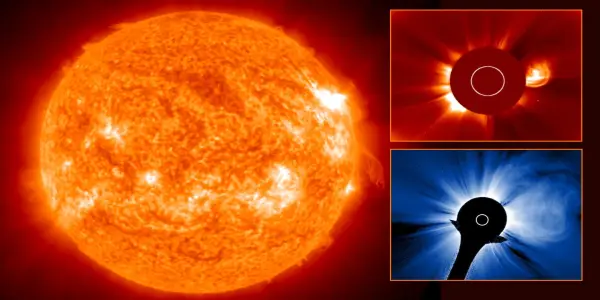
Sun Emits Second-Strongest Flare of 2025, Causing...
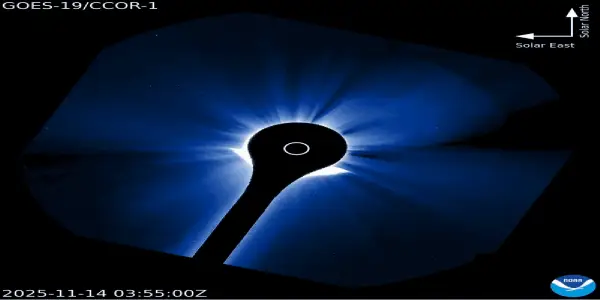
Sun Unleashes Spectacular Solar Flare Amid...

New Insights from the Butterfly Nebula May...

Indigenous Activists Challenge COP30's Rainforest...
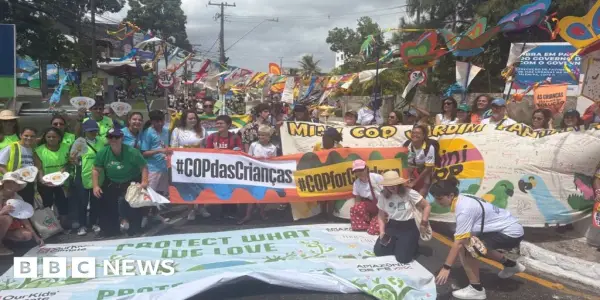
Protests Erupt at COP30 Climate Summit in Belém

Ancient Australian Rocks Provide Insights into...
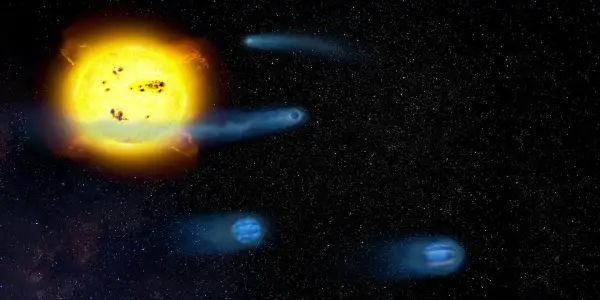
Young Star V1298 Tau Sheds Light on Planet...

The Intersection of AI Development and Natural...
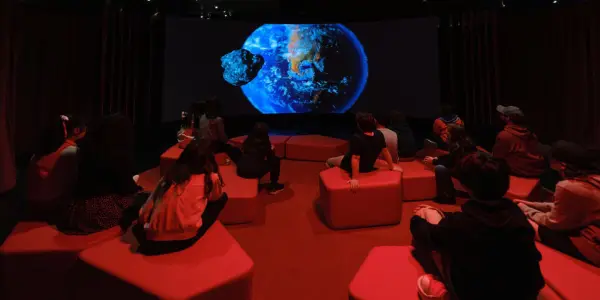
American Museum of Natural History Launches...
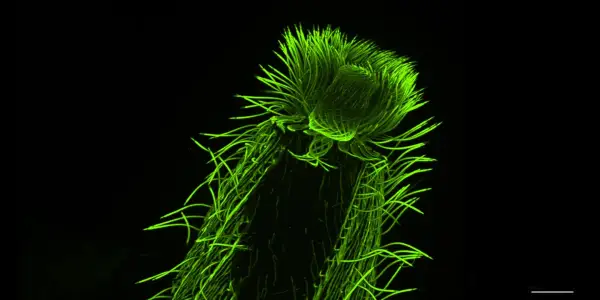
Breakthrough in Microscopy Sheds Light on Ocean's...
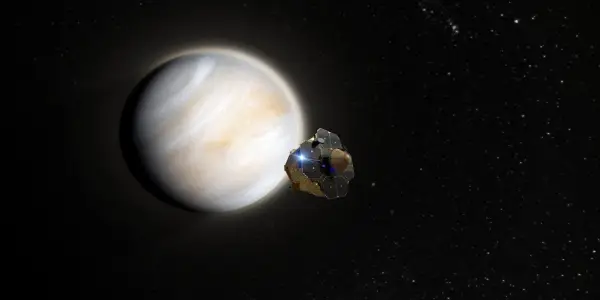
Upcoming Venus Missions Set to Explore Earth's...
James Webb Space Telescope Reveals First 3D...
Geomagnetic Storm Forces Delay of Blue Origin's...

The Impact of the Three Gorges Dam on Earth's...

November's Full Supermoon: A Celestial Event to...

Innovative Precast Rammed Earth Tennis Court...

US Government to Halt SNAP Benefits Amid Ongoing...
Innovative Use of Underwater Speakers Aims to...

Post-Artemis 2: What Insights Will Scientists...
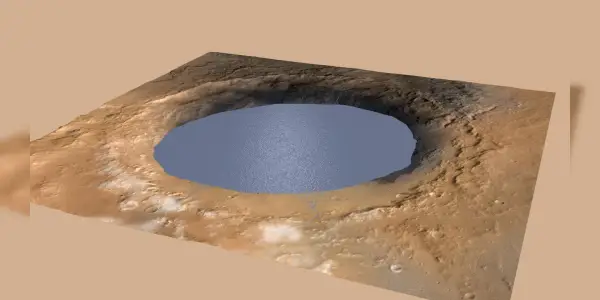
Ancient Lakes on Mars: New Research Unveils Ice...

US Greenhouse Gas Emissions Increase Amid Cold...