Reassessing the Impact of Farmed Seafood on Ocean Ecosystems
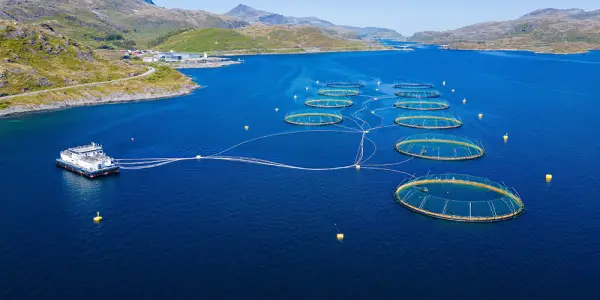
Explore the dramatic shift in ocean ecosystems as aquaculture impacts anchoveta populations, threatening marine biodiversity and local fishing communities in...
In-depth analysis
Natural phenomena
The anchoveta, a cornerstone of marine biodiversity in the Pacific Ocean, has experienced a drastic decline in its population. This small fish, integral to the diets of larger species, is now facing threats from intensive aquaculture practices that prioritize the harvesting of forage fish for feed, raising alarms about the health of marine ecosystems.
Impact on communities
Local fishing communities, particularly in Peru, are grappling with the fallout from declining anchoveta stocks. The reduced availability of this vital resource has led to increased feed prices and disrupted fishing seasons, directly affecting the livelihoods of fishers reliant on these catches.
Scientific updates
Experts, including Dr. Fitzsimmons from the University of Arizona, warn that the current reliance on wild-caught fish for aquaculture feed poses significant risks to both seafood security and marine ecosystems. The F3 Challenge is fostering innovation in alternative feed solutions to address these pressing concerns.
Future outlook
The future of aquaculture may hinge on the successful development of sustainable feed alternatives, such as plant-based blends and insect larvae. These innovations could mitigate environmental impacts and enhance food security as global seafood demand continues to rise.
Did you know?
Why this matters for our planet
The decline of the anchoveta fish is not just an environmental issue; it affects our everyday lives. As anchoveta populations dwindle, marine predators like sea lions and seabirds struggle to find food, disrupting entire ecosystems. This imbalance can lead to increased seafood prices and threaten the livelihoods of local fishers, making sustainable aquaculture crucial for maintaining both economic stability and marine health.
Earth's undiscovered wonder
Did you know that anchoveta are among the most abundant fish in the world, yet their populations can fluctuate dramatically within a single season? This tiny fish plays a critical role in the Pacific Ocean's ecosystem, supporting not just larger fish, but also seabirds and marine mammals, making its decline a troubling sign for marine biodiversity.
The voice of Earth
Marcus, 34, from Chicago, recalls his childhood weekends spent fishing with his grandfather on the shores of Lake Michigan. Those moments instilled in him a deep love for marine life and a commitment to sustainability. Recently, he learned about the decline of the anchoveta and its impact on ecosystems. This news struck a chord, as he now worries that future generations may not experience the same vibrant aquatic life he cherished. Inspired, Marcus joined a local environmental group advocating for sustainable seafood practices, hoping to protect the delicate balance of life in our oceans for others to enjoy.

Mars Express Reveals Evidence of Ancient Ice Age...
Innovative Use of Underwater Speakers Aims to...
Notable Aquatic Highlights from the 2025 Nature's...

US Government to Halt SNAP Benefits Amid Ongoing...

Aging Stars Pose Threat to Nearby Planets, New...

Innovative Precast Rammed Earth Tennis Court...
Upcoming Venus Missions Set to Explore Earth's...
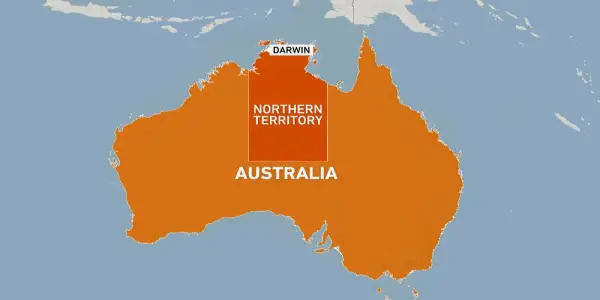
Damage Assessment Underway in Northern Australia...

Sun Emits Second-Strongest Flare of 2025, Causing...
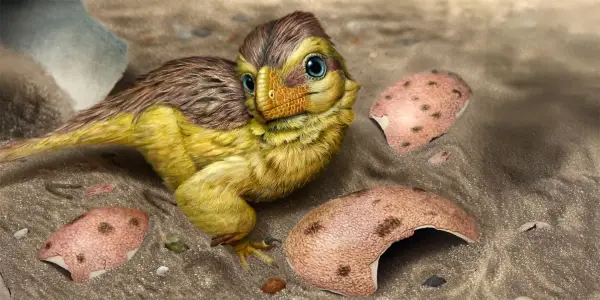
New Technique Unveils Natural Clock in Dinosaur...

Exploring the Conclusion of 'Predator: Badlands'

Tennessee's Nature-Based Solutions for Health and...

Innovative Gel Shows Promise in Regenerating...
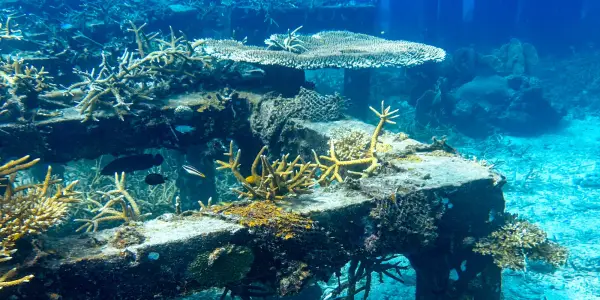
Understanding Artificial Reefs: A Solution for...

The Earth’s Value: An Exploration of Its...

Steven Spielberg Steps Back from Sci-Fi Series...

New Insights from the Butterfly Nebula May...
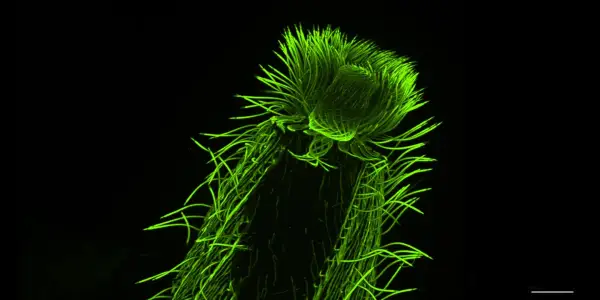
Breakthrough in Microscopy Sheds Light on Ocean's...
Embracing the Light: A Reflection on Our...
Natural History Museums: Essential Partners in...

The Challenges of Sending a Supervillain into the...

Significant Geomagnetic Storm Unleashes Auroras...
Moss Survives 9 Months in Space and Thrives After...

SpaceX to Launch Over 100 Satellites Today on...
Newly Discovered Snake Species Named After Steve...

Supercomputers Analyze Enceladus's Plume Dynamics

Exploring Sustainable Methods for Rare Earth...

American Museum of Natural History Launches...
New Fossil Discovery Alters Understanding of...

Catherine O’Hara, Iconic Actress from...

November's Full Supermoon: A Celestial Event to...

Geomagnetic Storm Forces Delay of Blue Origin's...
Jupiter's Rapid Spin Influences Water...

UK Churches Embrace Heat Pumps for Sustainable...

Ancient Air Trapped in 6-Million-Year-Old...

Intense Solar Activity: Sunspot Region Produces...

New Glenn Rocket Completes Successful Test...

Rammed Earth Homes of 2026 Showcase Sustainable...

Perseverance Rover Discovers Unusual Rock Near...
Abrams Studios Announces New Sci-Fi Exploration...