Upcoming Venus Missions Set to Explore Earth's Twin in the Next Decade
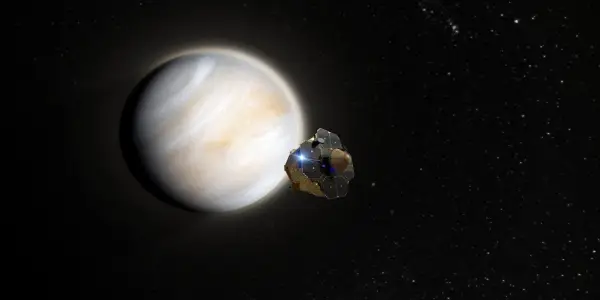
A series of ambitious missions to Venus are planned for the late 2020s and early 2030s, though the success of some hinges on uncertain funding from NASA amidst ongoing budget discussions.
In-depth analysis
Natural phenomena
Venus, often termed Earth's 'evil twin,' presents a harsh environment characterized by extreme temperatures and a thick, toxic atmosphere. Recent missions have aimed to study its geological history and atmospheric dynamics, revealing insights into the planet's evolution. Despite technological challenges, the allure of Venus continues to drive scientific inquiry into its unique characteristics and potential for past habitability.
Impact on communities
The exploration of Venus has broader implications, fostering international collaboration among space agencies. These missions not only advance scientific knowledge but also inspire educational initiatives, promoting interest in STEM fields and enhancing global cooperation in space exploration.
Scientific updates
Recent developments include the anticipated DAVINCI and VERITAS missions, which aim to explore Venus's atmosphere and geological history. These projects promise to yield critical data on the planet's conditions, potentially revealing how Venus diverged from Earth despite their similarities. The involvement of private entities like Rocket Lab further emphasizes the growing interest in Venus exploration.
Future outlook
Looking ahead, the exploration of Venus is set to expand significantly with multiple missions planned for the next decade. As funding uncertainties persist, the scientific community remains optimistic about uncovering new insights into Venus's atmosphere and geology, which could reshape our understanding of planetary evolution.
Did you know?
Why this matters for our planet
Understanding Venus is crucial as it offers insights into planetary evolution and climate dynamics, which can inform our knowledge of Earth's future. As climate change alters our environment, studying Venus's extreme conditions helps scientists grasp how different atmospheres interact and evolve. Such knowledge can drive innovations in climate resilience and inform global policies aimed at protecting our planet.
Earth's undiscovered wonder
Venus has a surface pressure 92 times that of Earth, akin to being nearly a mile underwater. This extreme environment limits our understanding of geological processes and the possibility of past water, making it a key target for future exploration.
The voice of Earth
Marcus, 34, from Chicago, recalls gazing up at the night sky as a child, captivated by the stars. With a degree in environmental science, he now feels a deep connection to celestial bodies, particularly Venus. The idea that studying its harsh environment could reveal lessons for Earth’s future excites him. Recently, he attended a lecture on the DAVINCI mission and felt a surge of hope. 'If we can understand what went wrong on Venus, maybe we can prevent a similar fate for our planet,' he thought, realizing that the fate of Earth might hinge on the discoveries made among the clouds of its mysterious twin.

Exploring Key Questions Raised by ‘Avatar: Fire...

Coyote vs. Acme Blends Looney Tunes with...

Exploring the Nature of Intelligence: Insights...

Exploring the Conclusion of 'Predator: Badlands'

New Technique Unveils Natural Clock in Dinosaur...
First Mosquito Sightings in Iceland Linked to...

Innovative Engine Harnesses Deep Space Energy for...
Interstellar Comet 3I/ATLAS Reaches Perihelion,...

Innovative Technique Utilizes Dragonberry Weed to...
The Challenges of Sending a Supervillain into the...

Rammed Earth Homes of 2026 Showcase Sustainable...
The Earth’s Value: An Exploration of Its...
Damage Assessment Underway in Northern Australia...

Innovative Architectural Designs Inspired by...

Google Enhances Weather Forecasting with...

Indigenous Activists Challenge COP30's Rainforest...
New Study Reveals Microbes Colonizing Freshly...

New Insights into 'Project Hail Mary' Reveal...
Moss Survives 9 Months in Space and Thrives After...

Artemis II Sparks Renewed Interest in Lunar...
Pacific Northwest's Subduction Zone Revealed to...

Natural History Museums: Essential Partners in...
China's Meng Xiang Ship Aims for Record-Setting...
New Research Suggests Water Could Form During...

Putin Initiates Strategic Plan for Russia's Rare...
Ancient Air Trapped in 6-Million-Year-Old...
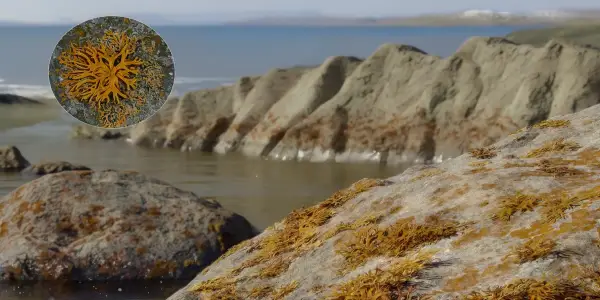
New Fossil Discovery Alters Understanding of...
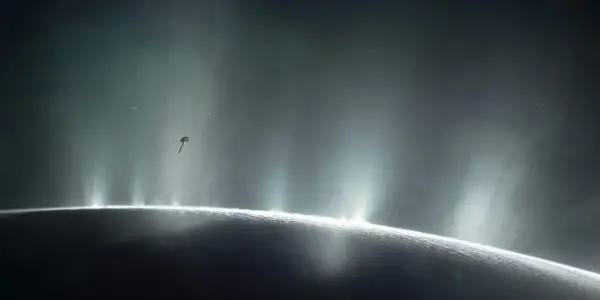
Supercomputers Analyze Enceladus's Plume Dynamics
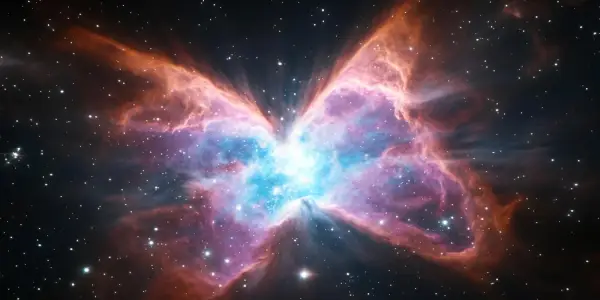
New Insights from the Butterfly Nebula May...

US Government to Halt SNAP Benefits Amid Ongoing...

Exploring Iterative Creativity: Pelicans on...
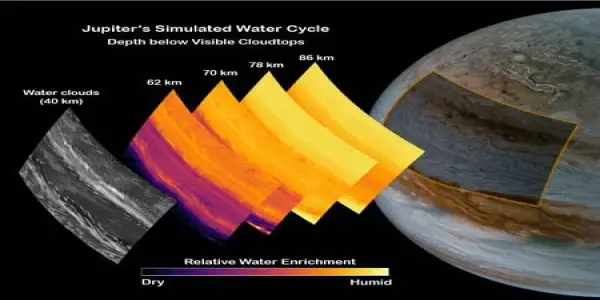
Jupiter's Rapid Spin Influences Water...

Protests Erupt at COP30 Climate Summit in Belém
Blue Origin's New Glenn Rocket Successfully Lands...

Catherine O’Hara, Iconic Actress from...

Rising Frustration in Aceh as Flood Relief...
Young Star V1298 Tau Sheds Light on Planet...
New Research Sheds Light on Jet Streams of Gas...

The Impact of the Three Gorges Dam on Earth's...

Apple Offers Support Following Fire in Hong Kong