Exploring the Nature of Intelligence: Insights from AI Research
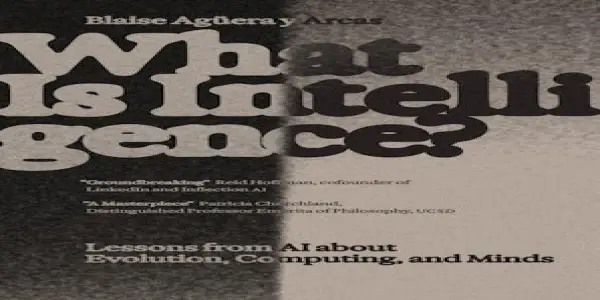
Recent findings in artificial intelligence have sparked significant discussions among researchers regarding the essence of intelligence and its implications for both machines and human cognition.
In-depth analysis
Natural phenomena
Recent advancements in artificial intelligence, particularly in neural networks, have sparked a renewed interest in understanding intelligence itself. These systems are increasingly capable of predicting sequences, which raises questions about their potential to exhibit forms of general intelligence, mirroring the brain's evolutionary design to anticipate future events.
Impact on communities
The integration of advanced AI into everyday life is prompting communities to reconsider their relationship with technology. As these systems become more prevalent, the implications for societal norms and ethical standards are becoming increasingly significant.
Scientific updates
Blaise Agüera y Arcas's latest work, 'What Is Intelligence?', offers a comprehensive framework that examines intelligence across various fields, including biology and computer science. This multidisciplinary approach sheds light on the evolutionary and social dimensions of intelligence, enhancing our understanding of both human and artificial cognition.
Future outlook
As AI technologies continue to evolve, the discourse surrounding their capabilities and ethical implications will intensify. The exploration of AI's cognitive parallels to human intelligence will be crucial in shaping future policies and societal attitudes toward intelligent machines.
Did you know?
Why this matters for our planet
Understanding intelligence in both humans and AI influences how we design technology that shapes our environment. As AI systems become integrated into everyday tools, their predictive capabilities can optimize energy use in homes and cities, reduce waste in industries, and enhance decision-making in climate action. This intersection of intelligence and technology holds the potential to create smarter solutions for pressing environmental challenges.
Earth's undiscovered wonder
Neuroscientists estimate that the human brain can perform around 38 quadrillion operations per second, a level of complexity that still surpasses current AI systems. This remarkable capability allows us not only to process information but also to anticipate future needs, a skill that plays a crucial role in survival and adaptation.
The voice of Earth
Marcus, 34, from Chicago, often reflects on his childhood fascination with nature. Growing up, he spent weekends exploring the woods near his home, captivated by the patterns of animal behavior and the changing seasons. Recently, he attended a seminar on AI's predictive capabilities and felt a deep connection to the idea that understanding intelligence can lead to better stewardship of the planet. As he listened to discussions on how AI could help predict natural disasters, he envisioned a future where technology and nature coexist harmoniously, safeguarding the environment for generations to come.
Young Star V1298 Tau Sheds Light on Planet...
Geomagnetic Storm Forces Delay of Blue Origin's...
Natural History Museums: Essential Partners in...

Johnny Keefer's Ascent Raises Questions About...

Exploring Key Questions Raised by ‘Avatar: Fire...

Catherine O’Hara, Iconic Actress from...
New Research Suggests Water Could Form During...

Sun Unleashes Spectacular Solar Flare Amid...
American Museum of Natural History Launches...

Artemis II Sparks Renewed Interest in Lunar...
Perseverance Rover Discovers Unusual Rock Near...
The Late Ordovician Mass Extinction: A Pivotal...
Significant Geomagnetic Storm Unleashes Auroras...
The Earth’s Value: An Exploration of Its...
New Research Sheds Light on Jet Streams of Gas...
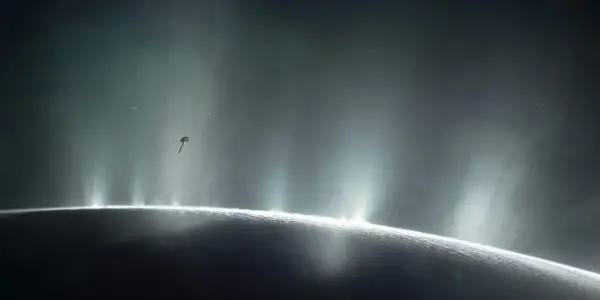
Supercomputers Analyze Enceladus's Plume Dynamics

New Insights from the Butterfly Nebula May...
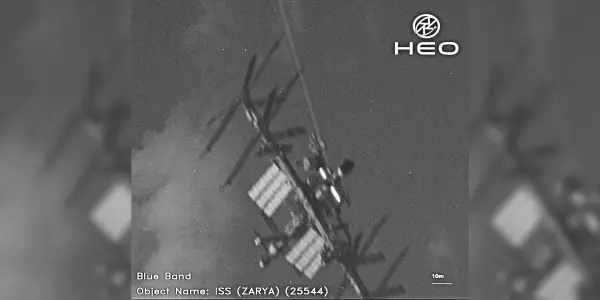
HEO Robotics Expands Satellite Imaging...
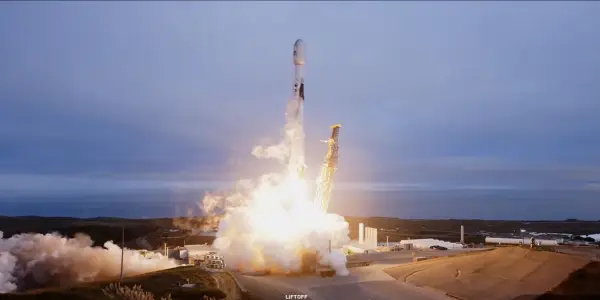
SpaceX to Launch Over 100 Satellites Today on...
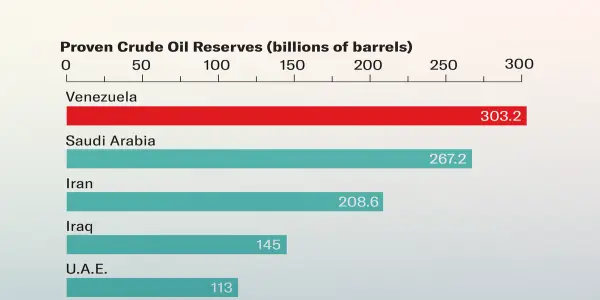
The Allure of Venezuela's Oil Reserves: Analyzing...
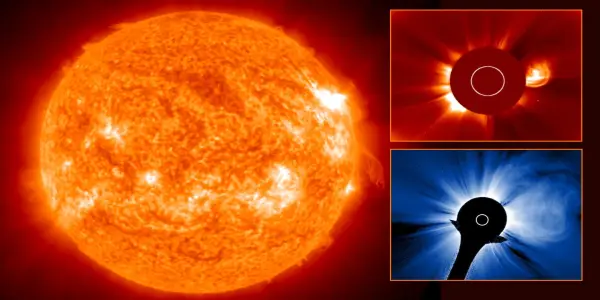
Sun Emits Second-Strongest Flare of 2025, Causing...
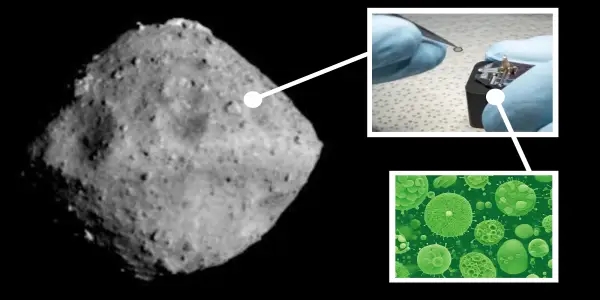
Asteroid Impact in Finland Reveals Ancient...
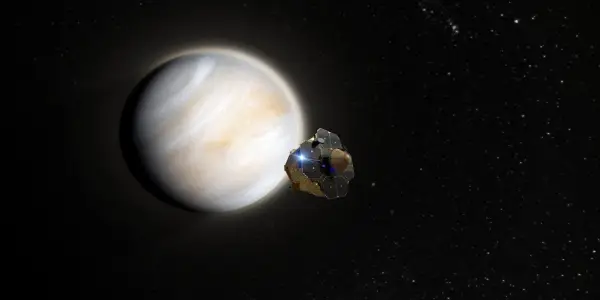
Upcoming Venus Missions Set to Explore Earth's...
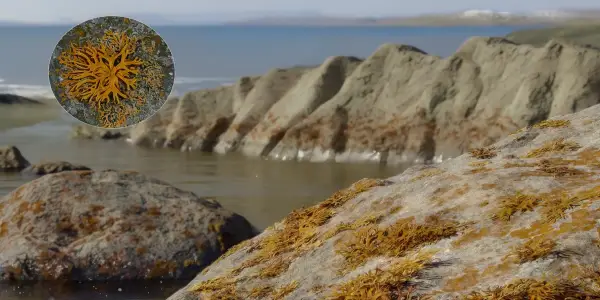
New Fossil Discovery Alters Understanding of...
Breakthrough in Microscopy Sheds Light on Ocean's...
Exploring the Nature of Intelligence: Insights...
New Study Reveals Microbes Colonizing Freshly...
Innovative Use of Underwater Speakers Aims to...

Rising Frustration in Aceh as Flood Relief...

VTN Architects Completes Nuoc Ui School in...

Intaaya Retreat in Indonesia Features Innovative...

Innovative Architectural Designs Inspired by...

Damage Assessment Underway in Northern Australia...

Rammed Earth Homes of 2026 Showcase Sustainable...

Exploring Sustainable Methods for Rare Earth...
Reassessing Economic Growth: Valuing Natural...

Google Launches WeatherNext 2: Enhanced AI...

The Challenges of Sending a Supervillain into the...