Natural History Museums: Essential Partners in Shark Conservation Research
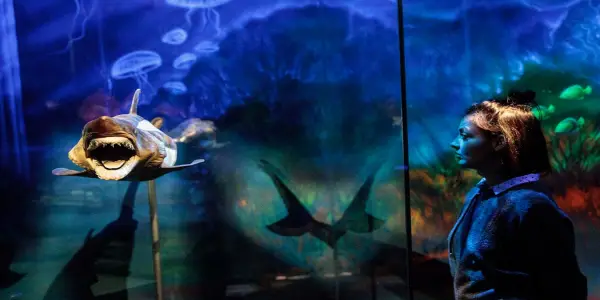
The advent of environmental DNA (eDNA) technology is revolutionizing the way scientists track elusive species, including sharks, but its efficacy relies heavily on comprehensive genetic databases, many of which are incomplete. Natural history museums play a critical role in filling these gaps.
In-depth analysis
Natural phenomena
The innovative use of environmental DNA (eDNA) has transformed the study of elusive marine species, particularly sharks. By analyzing genetic material found in water samples, researchers can detect these creatures without direct observation, revealing their presence and population dynamics in a non-invasive manner. This technology enhances our understanding of marine biodiversity significantly.
Impact on communities
Local communities, especially those dependent on marine resources, stand to benefit from improved shark population data. Enhanced understanding of these species can inform sustainable fishing practices and promote conservation efforts, ultimately supporting livelihoods and ecosystem health.
Scientific updates
Recent advancements in museomics allow scientists to extract DNA from historical specimens housed in natural history museums. This technique is vital for enriching genetic databases, particularly for species that are difficult to study, such as sharks, thereby improving the accuracy of biodiversity assessments.
Future outlook
As eDNA technology continues to evolve, its integration with museum specimen data promises to revolutionize marine conservation efforts. This synergy may lead to more effective monitoring of threatened species and proactive measures against environmental changes impacting marine ecosystems.
Did you know?
Why this matters for our planet
Understanding shark populations through eDNA technology can significantly impact marine ecosystems and biodiversity. Sharks are vital for maintaining the health of oceans, influencing the balance of marine life. By accurately monitoring these species, we can better protect their habitats and ensure sustainable fishing practices, fostering healthier oceans for future generations. This research directly affects the quality of seafood we consume and the overall health of our planet.
Earth's undiscovered wonder
Sharks have existed for over 400 million years, long before dinosaurs roamed the earth. This ancient lineage highlights their resilience, but also underscores the fragility of their current populations, many of which are now endangered due to human activities. Understanding their genetic diversity is crucial for their survival.
The voice of Earth
Marcus, 34, from Chicago, grew up listening to his grandfather recount tales of fishing in the Great Lakes, where he once spotted a rare shark species. Inspired by these stories, Marcus dedicated his life to marine conservation. One day, while volunteering at a natural history museum, he stumbled upon an old specimen that once swam in those very waters. The DNA from that preserved shark served as a link to the past, igniting his passion for using eDNA to protect these magnificent creatures. For Marcus, it's not just about studying sharks; it's about honoring a legacy and ensuring that future generations can also marvel at their existence.
Innovative Engine Harnesses Deep Space Energy for...
Understanding the Formation of Tectonic Plates
New Ice Age Episodes of Prehistoric Planet Now...
New Study Reveals Microbes Colonizing Freshly...
Asteroid Impact in Finland Reveals Ancient...

HEO Robotics Expands Satellite Imaging...

Ancient Australian Rocks Provide Insights into...

Apple Offers Support Following Fire in Hong Kong

November's Full Supermoon: A Celestial Event to...

Embracing the Light: A Reflection on Our...

Blue Origin's New Glenn Rocket Set to Launch...
New Research Suggests Water Could Form During...

Blue Origin's New Glenn Rocket Successfully Lands...

SpaceX to Launch Over 100 Satellites Today on...
The Late Ordovician Mass Extinction: A Pivotal...

Top Organic Mattresses of 2025: Birch, Avocado,...

Post-Artemis 2: What Insights Will Scientists...

New Insights into 'Project Hail Mary' Reveal...

American Museum of Natural History Launches...

Sun Unleashes Spectacular Solar Flare Amid...
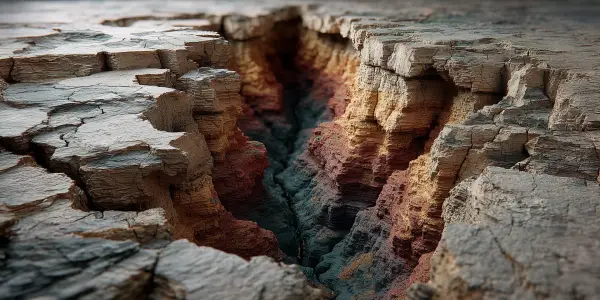
Study Reveals Fast Healing of Deep Earthquake...

Exploring Key Questions Raised by ‘Avatar: Fire...

Google Enhances Weather Forecasting with...

Damage Assessment Underway in Northern Australia...
Abrams Studios Announces New Sci-Fi Exploration...

Innovative Technique Utilizes Dragonberry Weed to...
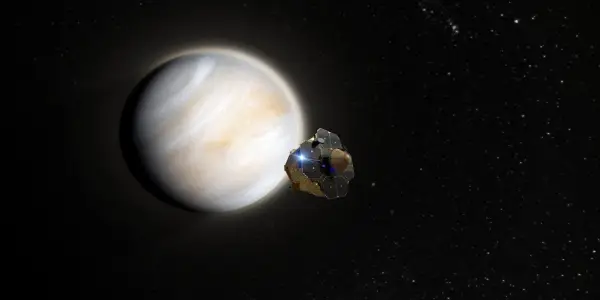
Upcoming Venus Missions Set to Explore Earth's...

Significant Geomagnetic Storm Unleashes Auroras...
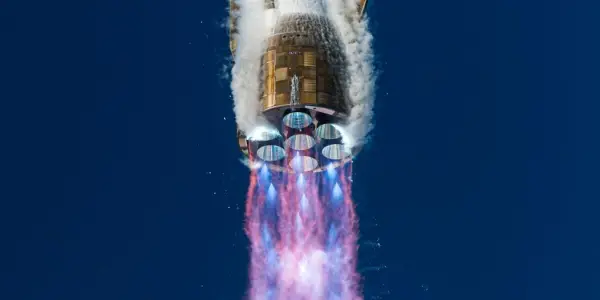
New Glenn Rocket Completes Successful Test...

Innovative Precast Rammed Earth Tennis Court...

Johnny Keefer's Ascent Raises Questions About...

Artemis II Sparks Renewed Interest in Lunar...

The Impact of the Three Gorges Dam on Earth's...

Geomagnetic Storm Forces Delay of Blue Origin's...
Breakthrough in Microscopy Sheds Light on Ocean's...

Rammed Earth Homes of 2026 Showcase Sustainable...
Reassessing the Impact of Farmed Seafood on Ocean...
Natural History Museums: Essential Partners in...

The Intersection of AI Development and Natural...