Why American Spacecraft Splash Down While Russian Soyuz Lands on Solid Ground
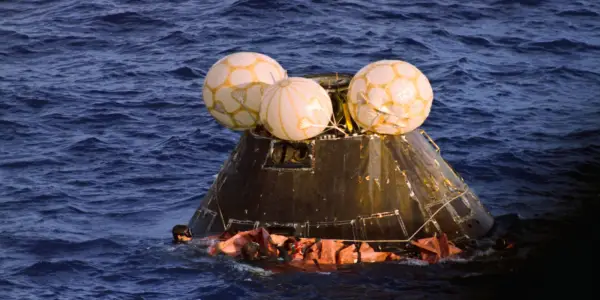
American spacecraft utilize ocean splashdowns for re-entry, contrasting with Russian Soyuz landings, highlighting operational and geographic differences.
In-depth analysis
Natural phenomena
The methods of spacecraft re-entry are influenced by geographical features, with American missions utilizing ocean splashdowns due to the extensive U.S. coastline. This approach leverages the ocean's forgiving nature, allowing parachutes to decelerate descent effectively, while Russian Soyuz spacecraft are designed for solid ground landings, reflecting the respective geographical landscapes and operational needs.
Impact on communities
The choice of landing methods affects local communities, particularly in areas near splashdown sites in the U.S., where recovery operations involve military collaboration and community engagement, ensuring safety and support during the retrieval process.
Scientific updates
Recent analyses of re-entry methods reveal that U.S. splashdowns, dating back to Apollo missions, offer a reliable return strategy for astronauts. In contrast, the Russian Soyuz program's focus on solid ground landings emphasizes durability and safety, showcasing differing engineering philosophies shaped by historical contexts.
Future outlook
As space exploration advances, the contrasting landing techniques of the U.S. and Russia will continue to influence mission planning. Understanding these differences is crucial for enhancing astronaut safety and improving recovery operations in future space missions.
Did you know?
Why this matters for our planet
The choice between ocean splashdowns and land landings reflects broader themes in space exploration, including safety, recovery efficiency, and environmental impact. As we push the boundaries of technology, these methods influence how we manage the return of materials to Earth, affecting our oceans and land ecosystems. Understanding these practices can help us ensure a sustainable approach as we venture further into space.
Earth's undiscovered wonder
Did you know that the only crewed Russian mission to splash down occurred in a partially frozen lake? This unique landing, which left astronauts stranded for hours, highlights the adaptability required in space exploration and the surprising challenges that can arise even in well-planned missions.
The voice of Earth
Marcus, 34, from Chicago, remembers watching the Apollo splashdowns on TV as a child. The images of astronauts bobbing in the ocean sparked his fascination with space. Years later, he attended a NASA recovery operation, witnessing firsthand the teamwork involved in retrieving astronauts from the ocean. For Marcus, those moments connected him to a legacy of exploration, igniting a passion for science and a commitment to protecting our planet as we reach for the stars.
Expert Commentary
Time on Mars Outpaces Earth, Unveiling Challenges...
Geomagnetic Storm Forces Delay of Blue Origin's...

WhatsApp Security Vulnerability Exposes 3.5...

Putin Initiates Strategic Plan for Russia's Rare...

The Impact of the Three Gorges Dam on Earth's...
Study Reveals Fast Healing of Deep Earthquake...
American Museum of Natural History Launches...

Google Enhances Weather Forecasting with...
China's Astronauts Return Safely, but Another...
Significant Solar Activity Forecasted to Cause...
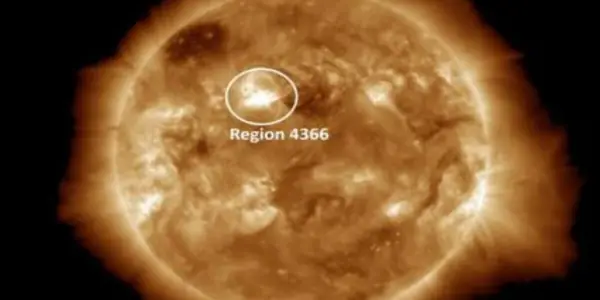
Intense Solar Activity: Sunspot Region Produces...
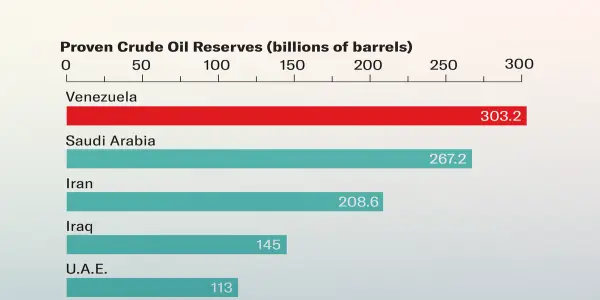
The Allure of Venezuela's Oil Reserves: Analyzing...
Exocomets Detected Around Distant Stars
Live Stream of Comets Lemmon and SWAN Approaching...
October 2025 New Moon Offers Rare Antares...
Embracing the Light: A Reflection on Our...
Mars Express Reveals Evidence of Ancient Ice Age...
New Fossil Discovery Alters Understanding of...
Exploring Sustainable Methods for Rare Earth...
Artemis II Sparks Renewed Interest in Lunar...
Jupiter's Rapid Spin Influences Water...
Becoming a Backyard Meteorologist: A Guide with...
Understanding the Formation of Tectonic Plates

The Intersection of AI Development and Natural...
The Late Ordovician Mass Extinction: A Pivotal...
Ancient Air Trapped in 6-Million-Year-Old...
Supercomputers Analyze Enceladus's Plume Dynamics
Exploring Sustainable Approaches to Deep-Sea...
Exploring Iterative Creativity: Pelicans on...
SpaceX to Launch Over 100 Satellites Today on...
Sun Unleashes Spectacular Solar Flare Amid...
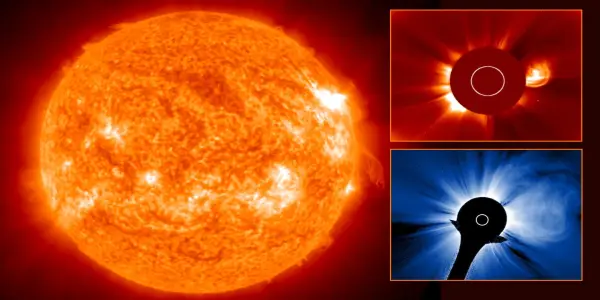
Sun Emits Second-Strongest Flare of 2025, Causing...
US Government to Halt SNAP Benefits Amid Ongoing...
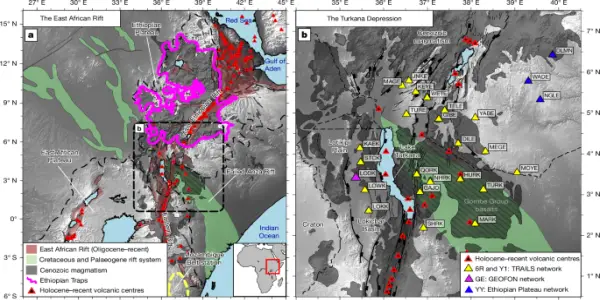
Insights into Lithospheric Dynamics from Turkana...
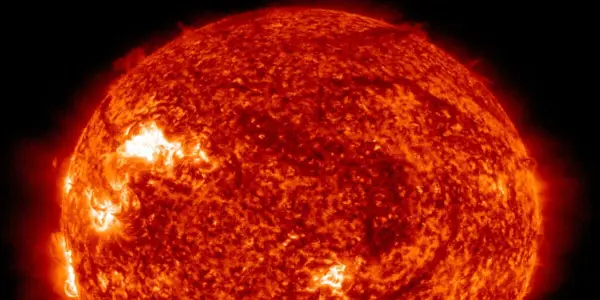
Significant Geomagnetic Storm Unleashes Auroras...

Innovative Precast Rammed Earth Tennis Court...
New Glenn Rocket Completes Successful Test...

Turkey Declines Rare Earth Element Sales to the...
HEO Robotics Expands Satellite Imaging...